
East Potomac Golf Course renovation plans have sparked a legal battle in Washington, D.C., after President Donald Trump announced a 15-month closure of the historic public golf course for redevelopment.
Trump Sets 15-Month East Potomac Golf Course Renovation
 Written byJustin Wilcox, Founder and editorLast updated October 19, 2026
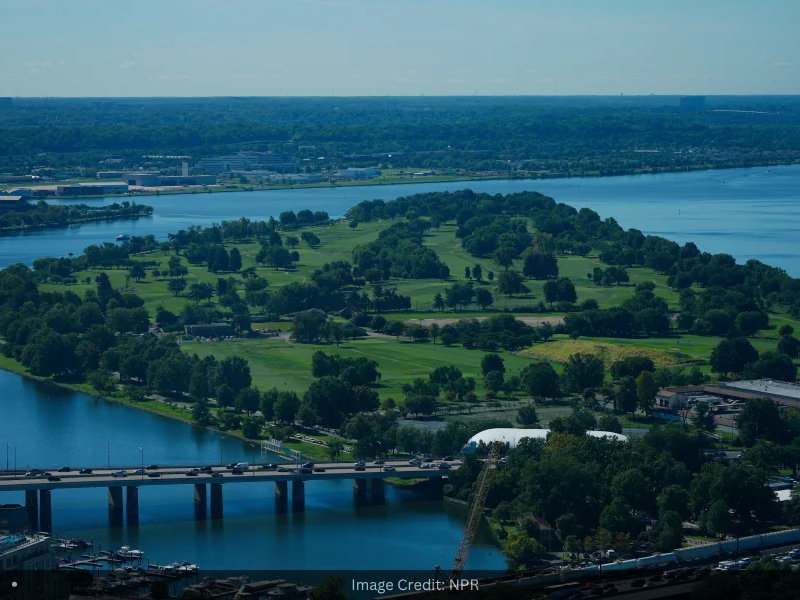
In a social media post on October 18, Trump said the course would close beginning November 15 as his administration moves forward with plans to transform the property into a championship-level golfing destination. The announcement comes as a federal judge considers a lawsuit challenging the government’s handling of the redevelopment and the removal of hundreds of trees from the site.
The proposed East Potomac Golf Course renovation has drawn national attention because of questions surrounding environmental protection, historic preservation, government transparency and the future of affordable public recreation in the American capital.
Trump has described the existing course as deteriorated and unsafe, arguing that extensive improvements are necessary. However, preservation advocates and local golfers have raised concerns about the project’s potential consequences and whether the administration has followed the appropriate legal procedures.
East Potomac Golf Course Renovation Targets Championship-Level Facility
Trump said the redesigned facility would meet international golfing standards and could accommodate major competitions, including the U.S. Open, PGA Championship, Ryder Cup and Presidents Cup.
The president also shared an artist’s rendering of the proposed redesign, presenting the project as an opportunity to create a world-class sporting venue while improving the condition of the existing property.
Located approximately two miles south of the White House, East Potomac Golf Links occupies a prominent position along the Potomac River, with views of Washington’s historic monuments. The century-old facility has traditionally served as an accessible destination for golfers across different income levels.
Trump argued that the course had become overgrown and dysfunctional, pointing to deteriorating infrastructure, hazardous trees and a seawall that he described as collapsing. He also maintained that the property’s original design featured fewer trees and offered broader views of the surrounding capital.
The East Potomac Golf Course renovation is part of a broader effort by the administration to reshape prominent sites in Washington. Other initiatives involving major landmarks and government properties have also generated public debate and legal scrutiny.
However, the latest announcement does not settle the questions surrounding the project’s approval, funding or implementation. Reports indicate that the administration has not publicly established the full cost of the proposed redevelopment.
Public Access and Historic Preservation at Stake
Beyond the courtroom, the proposed closure has raised questions about how a national recreational asset should be managed and who should benefit from its redevelopment.
Supporters of improvements point to the course’s reported maintenance problems and argue that substantial investment could restore the facility, improve safety and create opportunities to host internationally recognized sporting events.
Opponents, however, say modernization must not come at the expense of public access, environmental safeguards or the historic character of East Potomac Park.
Democracy Forward, which represents the plaintiffs, has described the area as a public recreational resource intended for broad community use. The organization maintains that its legal challenge seeks to protect the property and ensure that government actions comply with applicable requirements.
The East Potomac Golf Course renovation also raises practical questions about the impact of a 15-month closure on regular golfers and other visitors who use the surrounding park for walking, cycling, fishing and picnicking.
Although Trump has said the redesigned course will remain open to the public, opponents question whether access will remain affordable and consistent with the site’s longstanding recreational purpose.
The dispute reflects a wider debate over how federal authorities balance infrastructure improvements with environmental responsibilities, public participation and the preservation of historically significant spaces.
Court Proceedings Could Determine the Project’s Timeline
The next phase of the legal battle is expected to focus on the administration’s decision-making process, the circumstances surrounding the tree removal and whether additional judicial restrictions are necessary.
The court has sought further explanations from government officials about the relationship between the clearing operation and the proposed redevelopment. Trump’s latest announcement could also complicate the administration’s earlier position that the renovation remained conceptual.
The East Potomac Golf Course renovation is now facing a critical period as the November 15 closure date approaches, while temporary restrictions on tree cutting remain in place through October 26.
The administration’s proposed schedule does not, by itself, resolve the legal dispute or remove the need to comply with applicable court orders. The project’s eventual scope and timeline could depend on further judicial decisions and the government’s response to the plaintiffs’ concerns.
For now, the future of the historic golf course remains uncertain. The outcome will help determine whether the administration can proceed with its proposed transformation and how competing interests in modernization, historic preservation and public recreation will be addressed.
As the case develops, attention will remain focused on whether the planned redevelopment can move forward within the law while preserving the facility’s role as an accessible public space in Washington, D.C.