
Golf looks effortless from the outside but step onto the course unprepared, and you discover fast how much the right gear matters. Golf essentials are not just accessories. They shape your performance, protect your body, and make every single round more enjoyable from the first tee to the final putt.
Key Golf Essentials That Everyone Should Have
 Written byJustin Wilcox, Founder and editorLast updated April 3, 2026
Some links in this review earn us a commission at no cost to you. It never changes what we recommend.
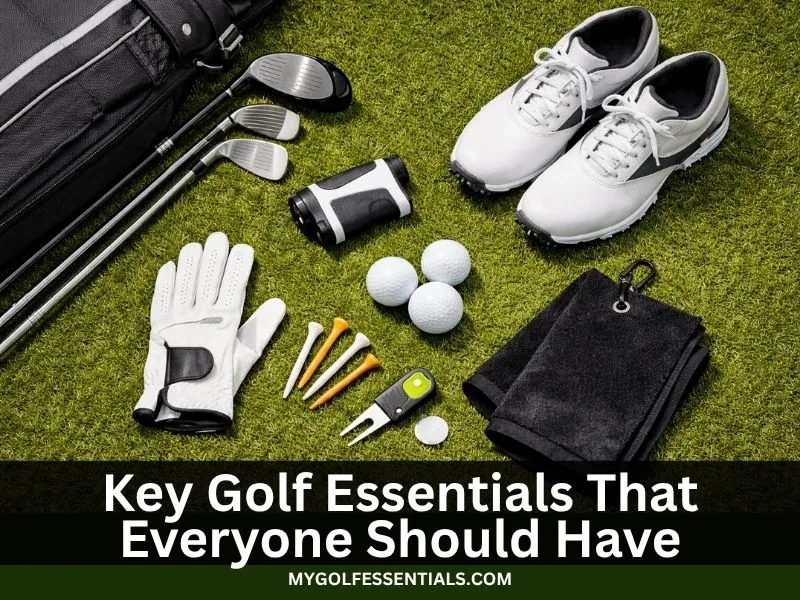
Whether you just picked up a club for the first time or have been playing on weekends for years, the right kit changes everything. This guide covers every golf essential you need, from beginner basics all the way to modern tech tools, so you never feel underprepared on the course again.
What Are Golf Essentials and Why Do They Actually Matter?
Golf essentials are the core items every golfer needs to play safely, comfortably, and effectively on the course. They fall into two clear categories: must-haves and optional extras. Must-haves are items you genuinely cannot play without. Optional items improve your experience over time but are not urgent priorities when you are just getting started.
Here is a quick breakdown of both categories.
Must-Have Golf Essentials:
- Golf clubs (a basic starter set covers everything)
- Golf balls (carry more than you think you need)
- Golf bag to organize and transport your kit
- Golf tees for every tee shot
- Golf glove for grip and control
- Golf shoes for stability during your swing
- Course-appropriate clothing that meets dress code requirements
Optional But Useful Items:
- GPS device or laser rangefinder
- Divot tool and ball markers
- Golf umbrella and rain gear
- Golf towel and spare gloves
Beginners often overthink their first purchase. Starting simple gets you on the course faster and saves you real money. Focus on the core golf essentials first and build your kit as your game and commitment grow.
What Golf Clubs Do Beginners Actually Need?
You do not need a full 14-club set to start enjoying golf. Most beginners play better and improve faster with fewer clubs to manage. A focused selection of key clubs handles nearly every situation on the course without overwhelming you with too many choices between shots.
Here is how each core club type performs and where it fits in your bag:
1. Driver
The driver handles long tee shots on par-4 and par-5 holes. Beginners should look for drivers with a large clubhead that offers forgiveness on off-center hits. A bigger sweet spot sends the ball farther and straighter even when your contact is not perfect, which happens often when you are still building your swing.
2. Irons
Irons cover most fairway shots and approach shots heading toward the green. A beginner set typically includes a 6-iron through a 9-iron. These clubs strike the right balance between distance and accuracy, making them the most consistently used clubs in any starter bag.
3. Wedges
A pitching wedge and a sand wedge transform your short game immediately. The pitching wedge handles shots near the green, while the sand wedge digs you out of bunkers. These two clubs together add serious precision to the parts of the game where most beginners struggle and lose the most strokes.
4. Putter
Your putter is the most-used club in your bag by a wide margin, since every single hole ends with putting. Take time to hold several options at the pro shop and find one that feels natural and balanced in your hands. A comfortable putter builds confidence on the green faster than any tip or drill.
Did You Know? Research from the National Golf Foundation found that beginners who start with 7 to 9 clubs improve their scores faster than players who carry a full 14-club set from the very beginning.
| Club Type | Primary Use | Distance Range | Beginner Priority |
| Driver | Long tee shots | 150-250+ yards | High |
| Fairway Woods | Distance from fairway | 130-210 yards | Medium |
| Irons (6-9) | Approach shots | 100-170 yards | High |
| Pitching Wedge | Short approach shots | 80-120 yards | High |
| Sand Wedge | Bunkers and chip shots | 40-90 yards | High |
| Putter | Shots on the green | Short range | Essential |
What Golf Accessories Should You Always Carry in Your Bag?
The right accessories separate prepared golfers from frustrated ones mid-round. These small golf essentials solve problems you never think about until they happen on the course.
1. Golf Tees
Golf tees support your ball on every tee shot from the designated teeing area. Here is how to use them correctly across different situations.
- Use longer tees with your driver to position the ball higher for a clean, upward strike.
- Use shorter tees on par-3 holes where you tee off with an iron.
- Always carry at least 10 tees per round since they snap and disappear at a surprising rate.
- Wooden tees work perfectly well and cost almost nothing, so there is no reason to overspend here.
2. Golf Gloves
A golf glove transforms your grip and directly affects every shot you hit. Hands sweat during a four or five hour round, and without a glove, the club slips at the exact moment of impact. Most golfers wear one glove on their lead hand, which is the left hand for right-handed players.
Finding the right glove size matters just as much as finding the right club. A loose glove creates the same grip problems you were trying to solve. Look for a snug fit across the fingers with no excess material bunching at the fingertips.
3. Ball Markers
Ball markers solve a small but important problem every golfer faces on the green. When your ball sits on another player’s putting line, you mark its position with a flat coin or disc and pick up the ball temporarily. This follows the rules of golf and keeps the game moving for everyone in your group.
Simple coin-sized markers work perfectly, and custom markers with personal designs are a nice touch without adding any weight or cost to your bag.
4. Divot Tool
A divot tool repairs the small dent your ball makes when it lands on the green from a high approach shot. Leaving divots unrepaired damages the putting surface and makes the green slower and bumpier for every player who follows you.
Most courses expect every golfer to fix each divot they create as a matter of etiquette. Keep your divot tool in your shirt pocket for instant access throughout every round.
What Should You Wear on a Golf Course?
Golf clothing does more than follow a dress code. The right outfit keeps you comfortable, gives your body full range of motion through the swing, and protects you from the sun and wind during a long round.
Here is what every golfer’s wardrobe should include before stepping on the first tee.
1. Golf Shoes
Golf shoes provide grip and swing stability that regular sneakers simply cannot match. Athletic trainers slide on grass, especially on slopes or damp surfaces, and that instability throws off your balance at the worst possible moment.
Spiked golf shoes deliver superior traction on wet courses and hilly terrain. Spikeless shoes offer a versatile alternative that transitions smoothly from the course to the clubhouse and works well on dry days. Most private and semi-private golf courses require golf shoes or soft-spiked footwear as part of their standard dress code.
2. Golf Shirts and Pants
Breathable polo shirts and lightweight golf pants form the standard outfit on nearly every golf course around the world. Most traditional courses require collared shirts for men.
Look for moisture-wicking fabric that pulls sweat away from your skin and dries quickly between shots. Denim, cargo shorts, athletic joggers, and graphic t-shirts are off-limits on most traditional and semi-private courses.
3. Golf Hat or Cap
A golf cap shields your face and eyes from the sun during a round that can stretch to five hours of outdoor exposure. It also cuts glare when you track your ball across a bright sky after a long drive.
Wide-brimmed hats deliver even more sun protection during summer rounds. Choose a breathable cap with mesh ventilation panels on hot days to stay comfortable through the back nine.
How Do You Stay Protected from Weather on the Golf Course?
Weather changes fast on a golf course. Smart golfers pack for every condition even on bright, sunny mornings because the sky can look completely different by the 15th hole.
These weather protection golf essentials keep you safe, dry, and focused regardless of what the forecast throws at you.
1. Golf Umbrella
A golf umbrella protects you and your bag from rain between shots without forcing you off the course. Golf umbrellas are significantly larger than everyday ones, typically measuring 60 to 68 inches wide when fully open. Keep one strapped securely to your bag so a sudden shower never sends you scrambling back to the clubhouse mid-round.
2. Sunscreen
Golfers spend four to five hours in direct sunlight during a standard round, which adds up to serious cumulative skin exposure over a full season. Apply SPF 30 or higher to all exposed skin before your round and reapply after hole 9 at the halfway point.
Research published in sports medicine journals shows that golfers face elevated rates of sun-related skin damage compared to most other outdoor sports participants. Sunscreen is a genuine health essential, not a comfort suggestion.
3. Rain Gear
A lightweight waterproof jacket and rain pants keep you dry and mobile when a storm rolls in during your round. Look for options that compress into a small stuff pouch so they fit easily in your bag’s side pocket without taking up valuable space. Wet clothing restricts your swing and makes an already challenging sport feel significantly harder.
What Tech Gear Actually Makes Golf Easier and More Accurate?
Modern golf technology puts accurate, actionable data directly in your hands before every shot. Distance measurement and course mapping used to require a professional caddy. Today, a compact device or a free phone app handles all of it instantly, making these modern golf essentials genuinely game-changing for players at every level.
Here is how tech gear performs across the following key areas.
GPS Devices and Rangefinders
GPS devices and laser rangefinders measure the exact distance to the flag, bunkers, and course hazards with impressive precision. Knowing your exact yardage removes guesswork from club selection and turns a stressful decision into a confident one.
Entry-level GPS watches start around $100, while premium laser rangefinders range from $200 to $500 and deliver pinpoint accuracy that serious players and low handicappers rely on every round.
Mobile Apps for Golf
Several free and low-cost apps now replace expensive GPS hardware entirely for casual and beginner golfers. Apps like Golfshot, 18Birdies, and The Grint track your scores, map thousands of courses worldwide, and analyze your full round after you finish.
These tools accelerate improvement by revealing patterns in your game that you would never notice just walking the course. Many beginners find a free golf app transforms their approach to course management within just a few rounds of use.
What Optional Golf Items Are Worth Adding to Your Bag?
These items are not core golf essentials, but they noticeably improve your experience once you play regularly. Here is what experienced golfers commonly add to their bags over time.
- Golf towel: Keeps your clubfaces and grips clean during the round, which directly improves the quality of contact on every shot
- Extra gloves: Gloves wear out and become slippery when wet, so carrying a spare saves your round without adding noticeable weight
- Snacks and water bottle: A four to five hour round burns real energy, and staying hydrated keeps your concentration sharp through the final holes
- Portable speaker: A great addition for casual weekend rounds on courses that permit music along the way
- Headcovers: Protect your driver and fairway woods from scratches and dings during travel and storage between rounds
Most Common Mistakes Beginners Make with Golf Gear
Most beginners make the same gear mistakes in their first season. Knowing these pitfalls ahead of time saves you money and frustration before you ever reach the first tee.
1. Buying Too Many Clubs Too Soon
New golfers frequently invest in a full 14-club set before they understand what each club does or how to use it effectively. Start with 7 to 9 clubs and expand your set as your game and understanding develop. Fewer clubs early on builds a more complete and versatile swing because you learn to work with what you have.
2. Ignoring Proper Fit
Clubs that are too long, too short, or too stiff for your swing mechanics hurt your performance immediately from the very first shot. Visit a golf shop and ask for a basic fitting before committing to a set. Many pro shops offer complimentary fittings with a club purchase, making this one of the best free upgrades available to any beginner.
3. Not Carrying Enough Golf Balls
New golfers lose significantly more balls per round than experienced players, especially on wooded or water-heavy courses. Carry at least 12 balls in your bag every time you play. Running out mid-round means paying premium course prices for replacements or cutting your round short entirely.
4. Skipping Proper Golf Shoes
Some beginners try to play in regular athletic trainers to save money on their initial investment. This creates balance and stability problems at exactly the wrong moment during the swing. Golf shoes are a foundational part of your golf essentials, not an optional upgrade you add later.
A Complete Golf Essentials Checklist
A checklist ensures you never arrive at the course missing something important. Use this before every round to confirm your bag is fully stocked and ready.
Core Equipment:
- Golf clubs (7 to 14, depending on your experience level)
- Golf balls (minimum 12 per round)
- Golf bag with working straps and pockets
- Golf tees (10 or more of varying lengths)
Accessories:
- Golf glove (and a spare if possible)
- Ball markers (at least two in case you lose one)
- Divot tool clipped to your bag or in your pocket
Clothing:
- Golf shoes with appropriate soles for the course
- Collared golf shirt that meets the dress code
- Golf pants or approved shorts
- Golf hat or cap for sun protection
Weather Protection:
- Sunscreen applied before you leave the car
- Golf umbrella strapped to your bag
- Waterproof jacket packed in an easy-access pocket
Tech (Optional):
- GPS watch or laser rangefinder charged and ready
- Golf scoring app loaded and updated on your phone
Final Thoughts
The right golf essentials do not guarantee a perfect round, but they remove the obstacles that hold beginners back and make every outing more enjoyable for experienced players too. Start with the fundamentals: a basic club set, enough balls, a bag, proper shoes, and a good glove. Add weather protection and tech tools as your commitment to the game deepens.
Practice always matters more than expensive gear. A consistent, well-developed swing beats a premium club in unprepared hands every single time. Build your kit steadily, enjoy every round, and let your golf essentials grow right alongside your game.
Key Takeaways
- Golf essentials split into two clear groups: must-haves like clubs, balls, and shoes, and optional items that improve comfort as your game develops.
- Beginners do not need a full 14-club set. A focused selection of 7 to 9 clubs covers every common situation on the course.
- A golf glove significantly improves grip and prevents slipping at the moment of impact, especially during warm or humid rounds.
- Proper golf shoes provide traction and swing stability that regular athletic sneakers cannot match on any surface or gradient.
- A divot tool and ball markers cost almost nothing and demonstrate the course etiquette expected of every golfer on every hole.
- Sun protection is a genuine health necessity for golfers who spend four to five hours outdoors per round across a full season.
- GPS devices and golf apps deliver accurate yardage data that transforms club selection and overall course management at every skill level.
- Always carry at least 12 golf balls per round to avoid running short or paying premium prices for replacements at the course.
- Starter sets and pre-owned clubs save significant money without sacrificing the quality that beginners actually need to learn the game.
- Consistent, focused practice matters more than premium equipment at every stage of a golfer’s development from beginner to regular player.
FAQs
What Is the Difference Between a Golf Cart Bag and a Stand Bag?
A cart bag is heavier and designed specifically to sit securely on a motorized golf cart, with more storage pockets but no built-in stand. A stand bag is lighter with retractable legs that keep it upright when you set it down. Beginners who walk the course should choose a stand bag for portability and convenience.
How Do You Know When to Replace Your Golf Clubs?
Most recreational golfers can use the same clubs for five to ten years before wear genuinely affects performance. Signs you need new clubs include visible damage to the clubface grooves, shafts that feel loose, and grips that slip even after cleaning. Beginners should focus on improving their swing before investing in new equipment.
What Are the 7 Clubs Every Beginner Needs?
A basic set of seven clubs covers everything you need on the course. Start with a driver, putter, 5-iron, 7-iron, 9-iron, pitching wedge, and sand wedge. These seven clubs handle every essential shot you’ll face, so you can focus on building your skills without overcomplicating your bag.
What Type of Golf Ball Should a Beginner Use?
Beginners benefit most from two-piece golf balls with a soft cover and low compression rating. These balls travel farther on slower swing speeds and offer more forgiveness on mishits. Brands like Titleist TruFeel, Callaway Supersoft, and Srixon Soft Feel offer excellent beginner-friendly performance at a reasonable price point.