
Upgrading your equipment is one of the fastest ways to improve your performance on the course in 2026. Whether you struggle off the tee, in the fairway, or around the greens, the right club upgrade can make an immediate difference in your overall game.
This guide highlights the 10 best golf clubs to upgrade in 2026, focusing on real performance gains rather than hype. If you are looking to lower your scores and get more confidence in every shot, these upgrades will give you a strong advantage this year.
What are the 10 Best Golf Clubs to Upgrade in 2026?
The best golf clubs to upgrade in 2026 can quickly lower your scores with better forgiveness, faster ball speeds, and more consistent shots. This guide covers the 10 most impactful upgrades, including prices and who each club is best suited for.
Here is a quick snapshot before diving into each club:
| Club | Price Range | Best For | Skill Level |
| Ping G440 K Driver | ~$649.99 | Max forgiveness off the tee | All levels |
| TaylorMade P790 Irons | ~$1,399 (set) | Distance + accuracy | 0–15 handicap |
| Ping G440 Max Fairway Wood | ~$349–$379 | Tee and fairway versatility | All levels |
| PXG 0311 Black Ops Hybrid | ~$249–$299 | Replacing long irons | 15+ handicap |
| Callaway Jaws CB 12 Wedge | ~$169–$179 | Short game spin and control | All levels |
| L.A.B. Golf DF3 Putter | $449–$559 | Putting stability and consistency | All levels |
| Ping G740 Irons | ~$1,012+ (set) | Forgiveness and easy launch | 15–30 handicap |
| Srixon ZXiR Irons | ~$785+ (set) | Distance with a premium feel | 10–20 handicap |
| Titleist T200 Utility Iron | ~$269.99 | Accuracy off tight tee shots | 0–15 handicap |
| Callaway Quantum Mini Driver | ~$549 | Controlled distance off the tee | All levels |
1. Ping G440 K
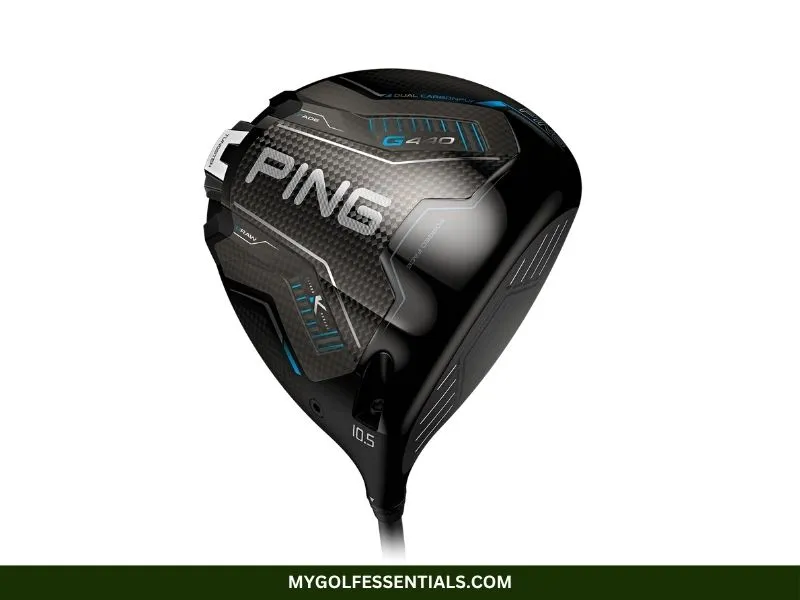
The Ping G440 K is the most forgiving adjustable driver on the market right now. It delivers a record-setting MOI over 10,400 in certain configurations, the highest Ping has ever produced in a driver.
A Dual Carbonfly Wrap covers both the crown and sole, saving weight from titanium components and redirecting that mass into a new 32g adjustable tungsten backweight, which is 4 grams heavier than the G430 MAX 10K it replaces.
Key Features:
- Record-breaking MOI over 10,400 in maximum forgiveness configuration
- Adjustable 32g backweight with fade, neutral, and draw positions
- T9S+ face retains ball speed even on significant mishits
- Improved acoustic rib structure creates a solid, muted sound at impact
Price: $649.99
Best For: Golfers at every level who need straighter, more consistent drives off the tee
2. TaylorMade P790
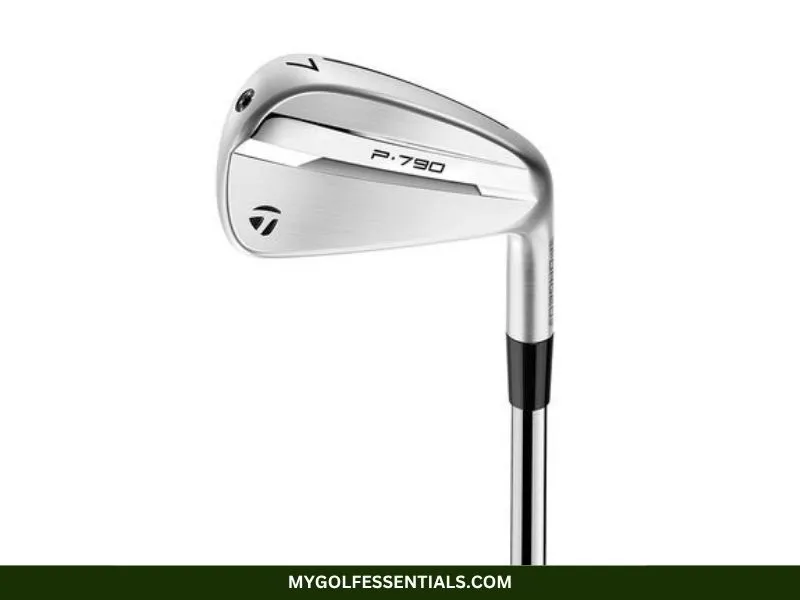
The TaylorMade P790 delivers one of the most complete performances ever recorded. It works for an uncommonly wide range of golfers, making it the top-ranked iron.
TaylorMade built the latest P790 with an all-new 4340M forged face material that is 20% stronger than the 4140 steel used in previous generations. That strength allows a significantly thinner face, a sweet spot 24% larger than the prior model, and SpeedFoam Air filling the cavity for soft, responsive feel on every strike.
Key Features:
- 4340M forged face material creates a sweet spot 24% larger than the previous generation
- FLTD CG individually optimizes each iron for ideal launch and gapping throughout the set
- SpeedFoam Air delivers soft, premium feel without sacrificing ball speed
- Tight dispersion numbers keep off-center hits on the green
Price: $1,399 for a standard 7-piece set
Best For: Golfers between 0 and 15 handicap who want maximum distance in a compact, player-style iron
3. Ping G440 Max
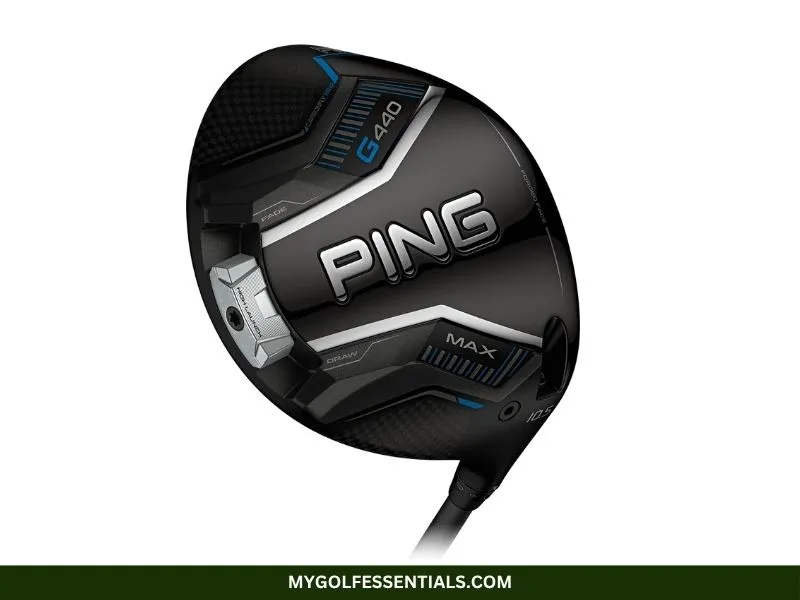
The Ping G440 Max solves one of the most frustrating problems in golf: hitting a fairway wood consistently.
Free-Hosel Technology removes weight from the hosel and heel section, creating a face that is 4% taller than the G430 Max without raising the center of gravity. The result is a high-MOI design that launches the ball high from both the tee and the turf.
It comes in five loft options from 3-wood through to 9-wood, giving you flexible gapping solutions across the top of the bag.
Key Features:
- Free-Hosel Technology creates a 4% taller face for more confidence at address
- High-MOI design delivers consistent performance on off-center hits
- Available in five lofts including a new 4-wood option for better gapping
- Maraging steel face promotes fast, consistent ball speed from any lie
Price: ~$349–$379
Best For: Any golfer who wants reliable, high-launching distance from both the fairway and the tee box
4. PXG 0311 Black Ops
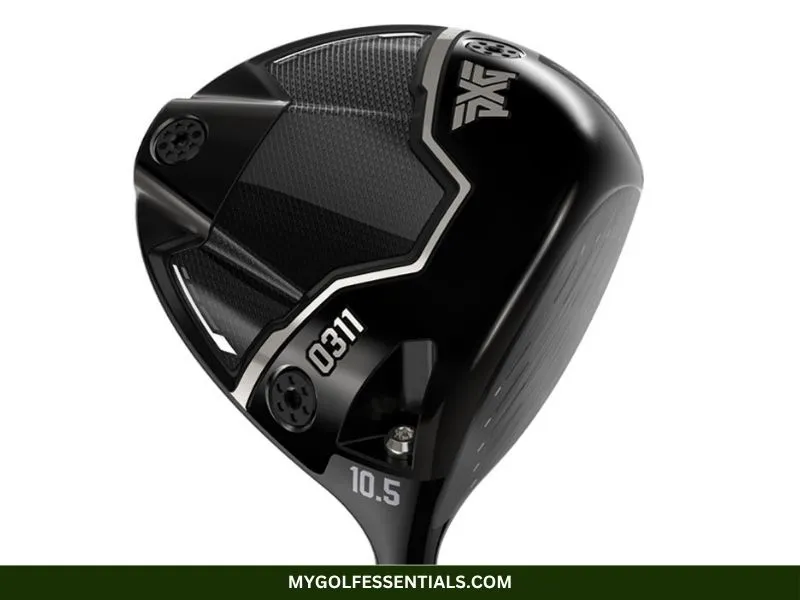
The PXG 0311 Black Ops Hybrid packs extreme forgiveness into a compact footprint and outperforms its GEN6 predecessor in both distance and consistency. Three weight ports with options ranging from 2.5 to 20 grams give you a level of customization that almost no other hybrid on the market offers.
It also performs beautifully from the rough, where long irons punish you and a well-designed hybrid saves you.
Key Features:
- Three adjustable weight ports with weights from 2.5 to 20 grams for precise tuning
- Gloss black composite crown with a compact, confidence-inspiring profile
- Faster and longer than the previous GEN6 model
- Exceptional forgiveness from the rough and off tight fairway lies
Price: ~$249–$299
Best For: High handicappers and any golfer who struggles to consistently hit a 3 or 4 iron
5. Callaway Jaws CB 12
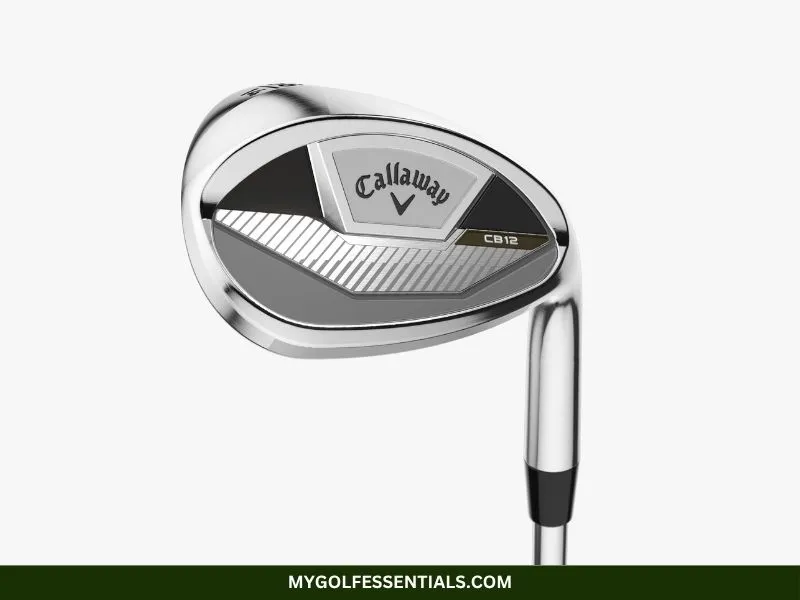
Most golfers do not realize their wedge grooves have worn out until they start missing up-and-downs they used to make. Grooves lose meaningful spin after just 75 to 125 rounds of regular play.
The Callaway Jaws CB 12 brings a cavity back design to Callaway’s aggressive JAWS groove technology, giving you both forgiveness and serious short game spin. The 12-degree bounce performs well across a wide variety of turf conditions, making it a reliable choice for most course types.
Key Features:
- Cavity back design increases the effective hitting area for more forgiveness around the green
- JAWS grooves deliver maximum spin and control from tight lies, rough, and bunkers
- 12-degree bounce suits a wide range of swing types and turf conditions
- Available in multiple loft options to complete your wedge gapping
Price: ~$169–$179
Best For: All golfers who want sharper short game performance and more stopping power on approach shots
6. L.A.B. Golf DF3
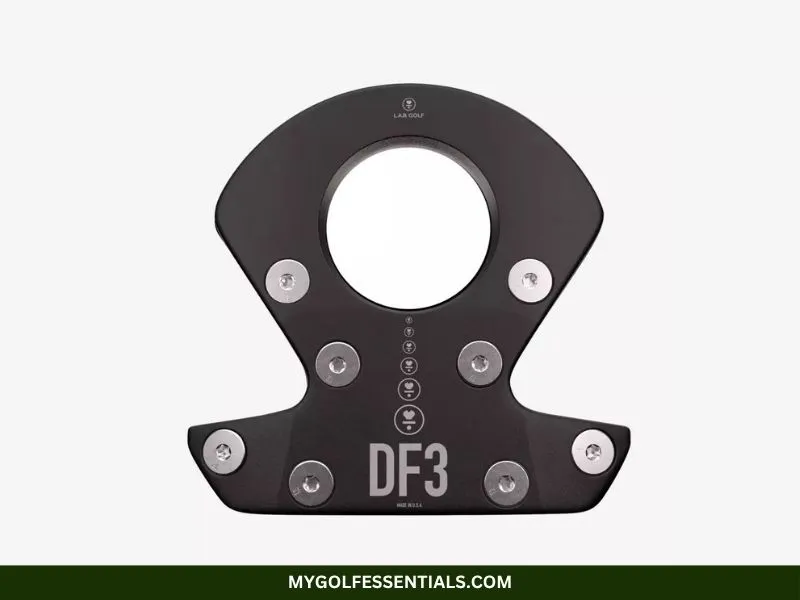
The L.A.B. Golf DF3 uses Lie Angle Balance (LAB) technology, which means the putter stays perfectly square through the stroke without any hand manipulation.
Traditional putters create torque as the face opens and closes during the swing, and your hands must constantly fight that torque. The DF3 eliminates it entirely. Every putter is 100% CNC milled from 6061 aluminum and then hand-balanced at L.A.B. Golf’s factory in Oregon using eight precision screws on the sole.
Key Features:
- Lie Angle Balance technology keeps the face square through the stroke without hand correction
- 100% CNC milled from 6061 aluminum for consistent weight and performance
- Eight sole screws allow precise hand-balancing of every individual putter
- Exceptionally forgiving on heel and toe mishits compared to traditional putters
Price: $449 (stock) / $559 (custom)
Best For: Any golfer who wants a data-driven solution to putting inconsistency, regardless of skill level
7. Ping G740 Irons
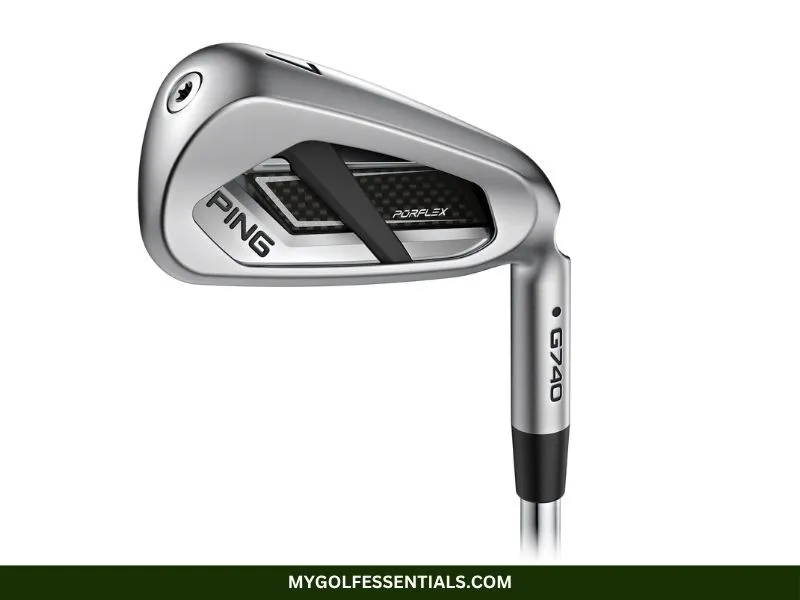
For golfers between 15 and 30 handicap, the G740 is the most complete super game improvement upgrade available right now. These irons replace the G730 with a refined, premium aesthetic while carrying forward Ping’s long history of building high-MOI, confidence-inspiring clubs.
The wider sole promotes smooth turf interaction, and a lower CG delivers effortless launch on virtually every swing. Mishits that would cost you a full club with a blade or player’s iron stay close to the intended distance with the G740.
Key Features:
- Super game improvement design built around high MOI for maximum off-center forgiveness
- Wide sole with low CG promotes effortless high launch on every strike
- Premium aesthetic replaces the G730 with a significantly cleaner look in the bag
- Available in steel and graphite shaft options at ~$202.50 per club
Price: Sets starting around $1,012+
Best For: Golfers with a 15 or higher handicap who want maximum forgiveness and easy launch above everything else
8. Srixon ZXiR Irons
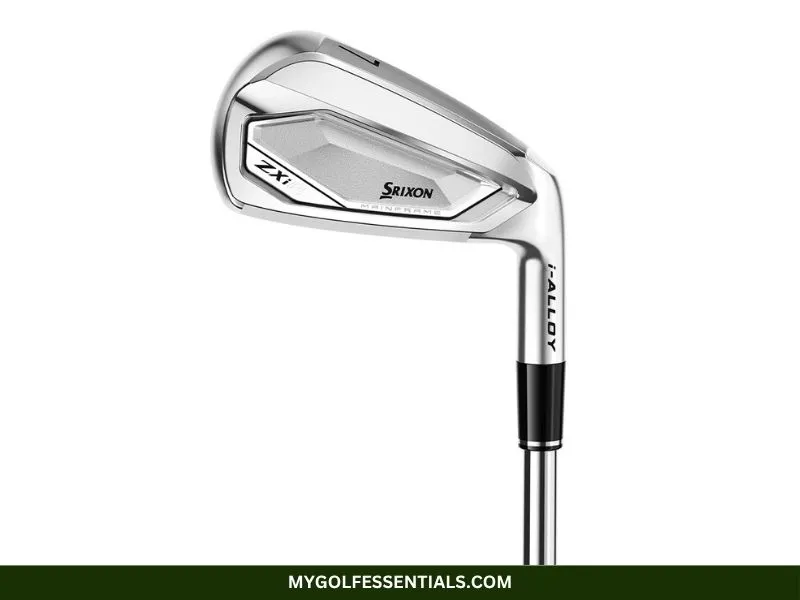
The Srixon ZXiR irons offer something rare in the game improvement category: genuine player-grade feel inside a forgiving body. Srixon built the ZXiR with i-ALLOY, a proprietary face material approximately 10% softer than traditional 431 stainless steel, producing a quieter and more responsive feel at impact.
A redesigned MainFrame milling pattern increases ball speed and forgiveness across the face, while the sweet spot is positioned lower to match where mid-handicap golfers actually strike the ball.
Key Features:
- i-ALLOY face material delivers a feel approximately 10% softer than traditional 431 steel
- Redesigned MainFrame milling increases ball speed and forgiveness across the face
- Sweet spot positioned lower on the face to match real mid-handicap impact patterns
- Tour V.T. Sole reduces turf resistance for cleaner contact on steep angle-of-attack swings
Price: Starting at ~$785 for a standard set
Best For: Golfers between 10 and 20 handicap who want distance, forgiveness, and premium feel in one iron
9. Titleist T200 Utility Iron
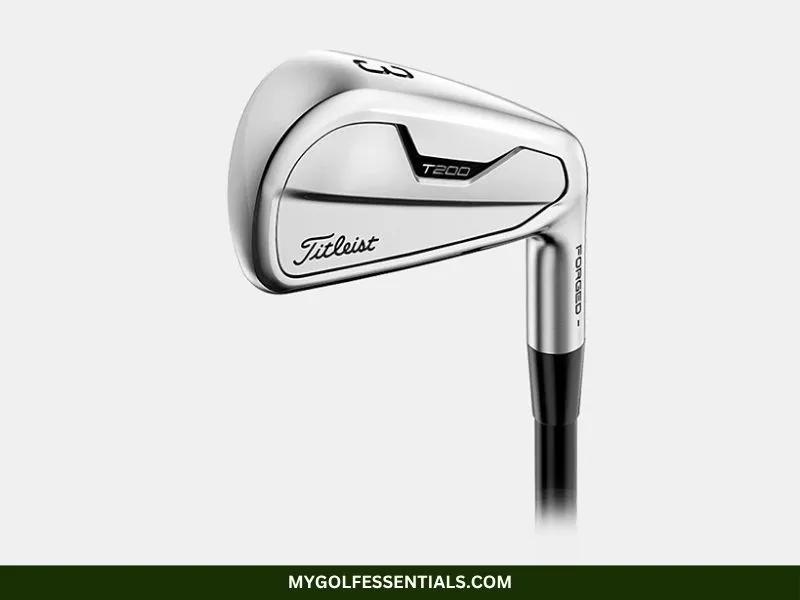
The Titleist T200 Utility Iron is the smart play. It is the most-played utility iron on the PGA Tour, and that endorsement is not accidental.
The compact head and controlled ball flight give you precision that a driver or fairway wood simply cannot match on demanding par-4s. It also launches lower and with less spin than a hybrid, which becomes a major advantage on windy days and tight layouts.
Key Features:
- Most-played utility iron on the PGA Tour in its category
- Distance iron construction generates strong ball speed in a compact head
- Lower ball flight and reduced spin compared to a hybrid for more control
- Workable flight allows shot shaping for better players
Price: ~$269.99
Best For: Low to mid handicappers who need a precise, controlled tee club on tight or demanding holes
10. Callaway Quantum Mini Driver
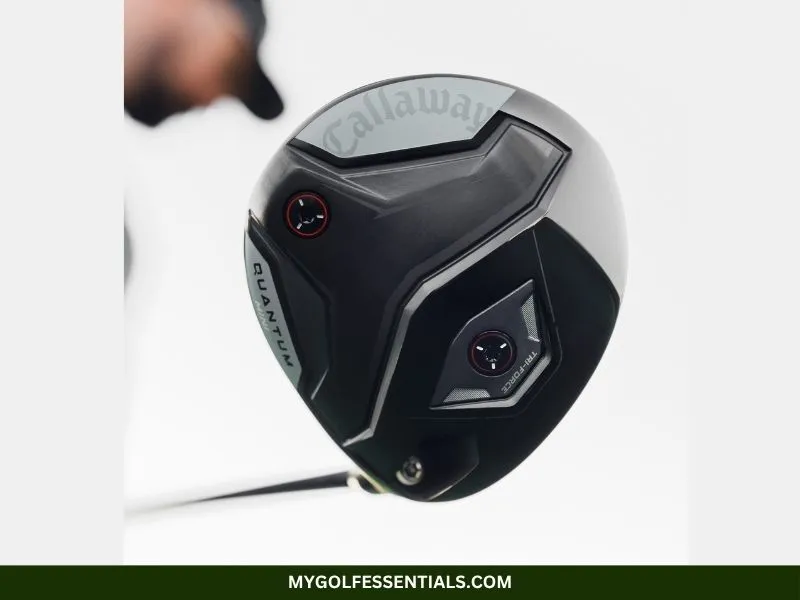
The Callaway Quantum Mini Driver is a 340cc club designed to sit between a driver and a 3-wood in your setup. It uses the same Tri-Force Face technology found across the Quantum driver family, layering titanium, carbon fiber, and poly mesh for fast, consistent ball speeds across the hitting area.
What makes this club genuinely exciting for 2026 is the new Step Sole design, which reshapes the sole so the club works off the turf as well as off the tee. Adjustable front-to-back weighting lets you tune trajectory from a low penetrating flight to a higher, more forgiving launch.
Key Features:
- 340cc head size sits between a driver and a 3-wood for maximum tee versatility
- Tri-Force Face layers titanium, carbon fiber, and poly mesh for consistent ball speed
- Step Sole design allows use off the fairway turf, not just off a tee
- Adjustable front-to-back weighting tunes trajectory for different course conditions
Price: ~$549 | Available: April 29, 2026
Best For: Golfers who need more accuracy off the tee without giving up meaningful distance
How Do You Know When It Is Time to Upgrade Your Golf Clubs?
Several clear signals tell you new clubs will genuinely improve your game. Here are the most common ones.
- Your driving distance has dropped compared to previous seasons with no swing changes.
- Ball striking has become erratic despite consistent practice.
- Your clubs are 5 or more years old and have seen regular play.
- The grooves on your irons and wedges look visibly shallow or worn to the touch.
- Golfers with similar swings and newer equipment consistently outdistance you.
Modern clubs perform better because face engineering, materials science, and weight distribution have all advanced significantly. A driver from 2019 and a driver from 2026 operate in completely different performance categories. Upgrading older equipment often unlocks distance and consistency you have been unknowingly leaving on the course for years.
You should also get custom fitted before buying. A proper fitting matches shaft flex, length, lie angle, and loft to your actual swing data. Getting the wrong shaft flex alone can cost you 10 to 20 yards on your driver. A fitting session removes all the guesswork and turns a good club purchase into the right one.
What Should You Look for When Upgrading Golf Clubs?
Several factors matter far more than the brand name on the hosel. Here is a focused breakdown of what actually impacts your performance.
- Forgiveness vs. Control: Game improvement clubs maximize forgiveness on mishits. Player’s clubs reward consistent ball striking with workability and shot-shaping ability. Match the category to where your game actually sits.
- Ball Speed and Distance: Modern face technology drives faster speeds across a wider hitting area. A faster face saves you distance even on imperfect contact.
- Launch and Spin: Higher-lofted clubs and lighter graphite shafts produce higher launch angles, which benefits golfers with slower swing speeds. Lower spin suits faster swingers who need to control trajectory.
- Shaft Flex: A shaft that is too stiff suppresses distance. One that is too soft creates wild misses in both directions.
- Matching Clubs to Skill Level: A blade iron does not belong in the bag of a 20-handicap golfer. Always match the forgiveness level of the club to your current game.
Which Golf Club Should You Upgrade First?
Most golfers upgrade in the wrong order. The driver feels exciting, so it goes first. But irons and wedges touch the ball on roughly 70% of your shots. The priority order that actually improves your scores looks like this.
- Irons – You hit them on almost every hole. Outdated irons with worn faces cost you distance and consistency where it matters most.
- Wedges – Groove wear is silent but real. Replacing wedges every 75 to 125 rounds recovers spin you did not realize you were losing.
- Driver – Genuine distance gains are available with modern drivers, but those gains mean less if your approach game is already broken.
- Putter – Putting influences your score more than any single position. Do not ignore it.
What Are the Most Common Mistakes Golfers Make When Upgrading Clubs?
Upgrading the wrong way wastes money and produces zero performance gains. Watch out for these common traps.
- Buying without testing: Always hit the club on a launch monitor before purchasing. Marketing numbers and real-world numbers often diverge significantly.
- Choosing based on brand alone: Premium branding does not guarantee the right fit for your swing. A well-fitted club from any brand outperforms a famous brand that does not match your game.
- Ignoring shaft selection: The shaft is the engine of the club. Getting the head right but the shaft wrong still produces inconsistent, frustrating results.
- Upgrading too many clubs at once: Changing the entire bag simultaneously makes it impossible to identify what is genuinely improving your game. Upgrade in priority order and give each club time to settle.
Final Thoughts
The best golf clubs to upgrade in 2026 represent a genuine step forward in what equipment can do for your scores. Whether you are chasing forgiveness off the tee with the Ping G440 K, tightening your approach game with the TaylorMade P790, or stabilizing your stroke with the L.A.B. Golf DF3, every position in this list carries a clear performance purpose.
Get custom fitted before you buy. That single step ensures every dollar you spend goes toward clubs that actually match your swing. Test what feels right, confirm the shaft fits your speed, and invest first where your game needs it most. Smart upgrades lower scores. Go shoot your best round yet.
Key Takeaways
- The Ping G440 K Driver delivers record-breaking MOI over 10,400 for the most forgiving adjustable driver available in 2026.
- The TaylorMade P790 ranked best across 81 irons tested in 2026, offering distance, accuracy, and a 24% larger sweet spot.
- The Ping G440 Max Fairway Wood performs from both the tee and the turf across five loft options, replacing hard-to-hit long irons.
- The PXG 0311 Black Ops Hybrid offers three adjustable weight ports and exceptional forgiveness from rough and difficult lies.
- Wedge grooves lose meaningful spin after 75 to 125 rounds. Upgrading wedges every two years directly recovers short game performance.
- The L.A.B. Golf DF3 uses Lie Angle Balance technology to keep the putter face square without any hand correction during the stroke.
- The Ping G740 targets 15-plus handicappers with super game improvement forgiveness and effortless high launch.
- The Srixon ZXiR irons combine i-ALLOY softness with MainFrame forgiveness, making them the strongest mid-handicap iron release of 2026.
- The Titleist T200 Utility Iron is the most-played utility iron on the PGA Tour and delivers precise, controlled flight on tight driving holes.
- Always get custom fitted before upgrading. The right shaft flex and specs can add 15 or more yards of distance immediately.
FAQs
How long do golf clubs last before you should replace them?
Irons and drivers stay competitive for four to six years under regular use. Wedge grooves wear faster, losing meaningful spin after 75 to 125 rounds.
Do new golf clubs genuinely make a difference to your scores?
Yes, modern clubs deliver faster ball speeds, more forgiveness on mishits, and better consistency than equipment from five or more years ago. The performance gap between old and new technology is measurable on any launch monitor.
What golf clubs should everyone have?
Beginners should have a driver, a few irons, a wedge, and a putter. These clubs cover long shots, approach shots, short-game shots, and putting.
Are expensive premium golf clubs actually worth it?
It depends on your skill level and commitment to the game. Premium clubs from brands like Ping, TaylorMade, and Titleist offer genuine performance advantages for golfers who practice regularly.