Buying a golf cart is rarely as straightforward as most people expect. At first glance, the price tags can seem manageable, but once you factor in batteries, maintenance, upgrades, insurance, and long-term running costs, the real investment often looks very different from that number.
This guide breaks down exactly what a golf cart costs in 2026, from affordable used models to fully loaded premium carts. You will discover the true price differences between new and used, electric and gas, plus the hidden ownership costs most buyers overlook before making a purchase.
How Much Does a Golf Cart Cost in 2026?
Golf cart prices vary more than most people expect. New carts typically start around $7,000, and used carts start as low as $2,000. But the range between those two extremes is enormous.
Here is a quick price snapshot across all major categories:
| Cart Type | Price Range |
| New Entry-Level | $7,000 – $9,000 |
| New Mid-Range | $9,000 – $12,000 |
| New Premium | $12,000 – $20,000+ |
| Used Budget | $2,000 – $4,000 |
| Used Mid-Range | $4,000 – $7,000 |
| Used High-End | $7,000 – $10,000 |
The factors that most affect the cost of a golf cart are brand reputation, power source, model age, installed features, and overall condition. Knowing which factors matter most helps you set a realistic budget before you walk into any dealership.
What Does a New Golf Cart Cost in 2026?
New golf carts give you warranty coverage, the latest technology, and full reliability from day one. The pricing still shifts considerably depending on which model tier you choose.
Entry-Level, Mid-Range, and Premium Pricing
New cart pricing splits cleanly into three tiers, and each one serves a very different type of buyer:
- Entry-level ($7,000 to $9,000): Basic two-seat models from brands like Club Car, E-Z-GO, and Yamaha. These handle flat terrain well and suit casual golfers perfectly.
- Mid-range ($9,000 to $12,000): Better suspension, larger battery systems, and multi-seat configurations. Ideal for neighborhood use or regular trips beyond the golf course.
- Premium ($12,000 to $20,000+): Lifted chassis, luxury seating, Bluetooth audio, and custom paint. These function as full-time personal vehicles in golf cart communities.
Most buyers shopping for daily personal use land comfortably in the mid-range tier.
Electric vs. Gas Golf Cart Prices
Electric golf carts cost slightly more upfront but save money consistently over time. Gas models typically run $500 to $1,000 less at purchase, but fuel costs and engine servicing add real ongoing expenses.
- Electric golf cart price range (new): $7,000 to $15,000
- Gas golf cart price range (new): $6,000 to $12,000
Electric models now account for over 80% of all golf cart sales in the US. For most buyers, the lower long-term running costs make electric the smarter financial decision.
How Much Does a Used Golf Cart Cost?
Used golf carts deliver significant savings if you shop carefully. The cost of a golf cart drops sharply the moment it leaves the dealership, much like any standard vehicle purchase.
Average Price Ranges for Used Golf Carts
Used cart pricing follows a straightforward three-tier structure based on age and condition:
- Budget options ($2,000 to $4,000): Older models, typically 8 to 15 years old. Expect basic features, aging battery packs, and cosmetic wear. Fine for occasional light use.
- Mid-range used ($4,000 to $7,000): Carts aged 3 to 7 years with newer batteries and better mechanical condition. This tier offers the best balance of value and reliability for most buyers.
- High-end used ($7,000 to $10,000): Recent models with upgrades like lift kits, custom wheels, or premium seats. Near-new quality at a meaningfully lower golf cart cost.
Buying from a certified dealer provides protections that private sellers simply cannot match.
Key Factors That Affect Used Golf Cart Prices
Four variables push used golf cart prices higher or lower. Understand these before you start shopping:
- Age: Carts over 10 years old lose significant resale value. Models from the past five years command stronger prices.
- Battery condition: A worn lead-acid battery pack costs $800 to $1,500 to replace. Always test battery health before committing to any purchase.
- Brand: Club Car, E-Z-GO, and Yamaha hold value better than off-brand alternatives. Their parts are also far easier to source.
- Usage history: Golf course fleet carts run hard every single day. A privately owned low-hours cart costs more upfront but delivers more reliable long-term performance.
Get a used cart inspected by a qualified mechanic before you finalize any deal.
What Are the Hidden Costs of Owning a Golf Cart?
The purchase price is just your starting point. Several ongoing costs catch new owners completely off guard. Budget carefully for each of these before you buy.
1. Battery Replacement Cost
Battery replacement ranks as the single biggest hidden expense in total golf cart ownership.
A standard lead-acid battery pack replacement runs $800 to $1,500. Lithium-ion packs cost more upfront at $1,500 to $3,000 but last significantly longer. Most lead-acid packs survive 4 to 6 years with proper charging habits. Lithium-ion batteries can last 10 years or more under the same conditions.
Did You Know? Lithium-ion batteries charge faster, weigh less, and require zero routine maintenance compared to traditional lead-acid packs. The higher upfront cost pays for itself over time.
2. Annual Maintenance and Repair Costs
Annual golf cart maintenance stays far lower than a car but still deserves a dedicated budget line.
Electric carts typically cost $100 to $200 per year to maintain. Gas carts run higher at $200 to $400 annually due to oil changes, air filters, and engine servicing. Common repair costs include tire replacements ($50 to $100 each), brake adjustments ($100 to $150), and solenoid replacements ($50 to $100) on electric models. These golf cart expenses add up faster than most first-time owners expect.
3. Charging and Fuel Running Costs
Running costs differ dramatically between electric and gas models. Here is what each option actually costs:
Electric charging costs:
- A full charge uses approximately 5 to 8 kWh of electricity
- At the US average rate of $0.16 per kWh, each charge costs $0.80 to $1.30
- Monthly charging costs for regular use average $15 to $30
Gas fuel costs:
- A standard gas cart holds 5 to 6 gallons
- At $3.50 per gallon, a full tank runs $17 to $21
- Monthly fuel costs for regular use average $40 to $60
Electric wins on ongoing running costs by a significant margin.
4. Insurance and Registration Requirements
Insurance requirements depend entirely on how and where you plan to use the cart.
On private property or a standard golf course, coverage stays optional. On public roads or within golf cart communities, most states require liability insurance.
Typical annual golf cart insurance costs $75 to $300. Many homeowner’s policies already cover carts on private property, so check your existing policy before purchasing a separate one.
How Much Do Golf Cart Accessories and Upgrades Cost?
Accessories and upgrades can add hundreds or even thousands to your total golf cart cost. The good news is that you pick and choose based on your actual priorities and budget.
Common Accessories and Their Price Ranges
Popular accessories cover safety, convenience, and everyday comfort:
- LED light kits: $50 to $200
- Side mirrors: $20 to $50
- Windshields: $100 to $300
- Weather enclosures or seat covers: $80 to $200
- Rear seat kits: $200 to $500
- USB charging ports: $30 to $80
Most of these accessories install without professional help, which keeps your labor costs minimal.
Performance Upgrades: Lift Kits and Tires
Performance upgrades transform a standard golf cart into a capable off-road or high-speed machine.
- Lift kits: $200 to $800 installed. These raise ground clearance significantly for rough or uneven terrain.
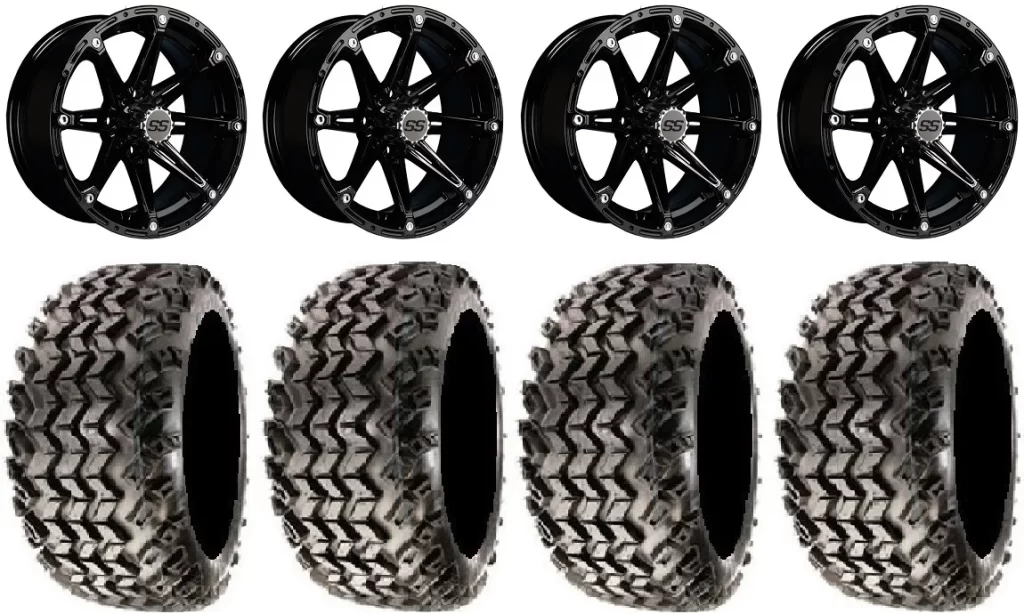
- All-terrain tires: $150 to $400 for a full set. Wider tires improve traction and handling on unpaved surfaces.
- Speed controller upgrades or motor swaps: $300 to $1,500. Performance varies by cart model and setup.
Lift kits paired with all-terrain tires remain the most popular performance combination among off-road cart owners.
Comfort and Luxury Feature Costs
Luxury comfort upgrades push the golf cart experience much closer to a proper low-speed vehicle.
- Custom seats or premium seat covers: $100 to $600
- Bluetooth audio systems: $150 to $500
- Canopy upgrades or full enclosures: $200 to $700
- Custom paint or vinyl wraps: $300 to $1,500
A fully upgraded premium cart can cost $3,000 to $5,000 more than its base price once all comfort additions are included.
Electric vs. Gas Golf Cart: Which One Saves You More Money?
Over the long term, electric golf carts save more money for the vast majority of buyers. Here is a direct cost comparison across every major category:
| Cost Category | Electric | Gas |
| New Purchase Price | $7,000 – $15,000 | $6,000 – $12,000 |
| Annual Fuel or Charging | $180 – $360 | $480 – $720 |
| Annual Maintenance | $100 – $200 | $200 – $400 |
| Battery/Engine Overhaul | $800 – $3,000 (every 5-10 yrs) | $500 – $1,500 (every 3-5 yrs) |
| Estimated 5-Year Total | $9,500 – $19,000 | $10,000 – $18,500 |
Gas carts can cost slightly less upfront in some cases. But electric models deliver lower running expenses every single year. For regular daily use, electric carts typically reach the break-even point within 2 to 3 years.
Here’s the thing: if you use your cart daily, live in a golf cart community, or want to minimize long-term ownership costs, electric is the clear winner.
How to Save Money When Buying a Golf Cart
Smart buyers follow a consistent set of strategies to cut costs without sacrificing quality. These tips work whether you are buying new or used.
The New vs. Used Decision
Buy used if you need a cart for light or occasional use and want to minimize your upfront golf cart cost. Buy new if you plan on daily use and want full warranty coverage. A certified 2 to 3-year-old used cart often delivers 80% of the value for roughly 60% of the price.
Best Time to Buy and Negotiation Tips
Golf cart prices soften at the end of golf season, typically October and November. Dealers push inventory harder in the off-season and move faster to close deals.
A few strategies that consistently work:
- Get quotes from at least three dealers before making any commitment
- Ask dealers to include extras like chargers or covers at no added cost
- Offer upfront or early payment to open the door for small discounts
- Walk away once. Most dealers follow up within days with a better number.
What to Check Before Buying Used
- Test the battery under load, not just while the cart sits still
- Check the frame and undercarriage carefully for rust
- Inspect tire wear and test brake responsiveness
- Request service records if the seller has them
- Drive the cart on an incline to properly test motor power
Final Thoughts
The cost of a golf cart in 2026 covers far more ground than just the sticker price. New carts range from $7,000 to over $20,000. Used options start around $2,000 but can carry hidden costs like deteriorated batteries or deferred maintenance.
Factor in annual upkeep, fuel or charging, accessories, and potential insurance, and your true total ownership cost looks very different from the purchase price alone.
Electric carts win on long-term value. Used carts win on upfront affordability. Buying smart, whether that means timing your purchase, inspecting carefully, or negotiating confidently, can realistically save you thousands of dollars. Match the cart to your actual needs and budget, and you will walk away with a purchase you will not regret.
Key Takeaways
- New golf carts cost between $7,000 and $20,000-plus depending on model tier and features.
- Used golf carts range from $2,000 to $10,000 based on age, brand, and overall condition.
- Battery replacement is the biggest hidden cost of ownership, running $800 to $3,000.
- Electric carts cost more upfront but consistently deliver lower annual running costs than gas.
- Gas carts require more frequent engine maintenance, averaging $200 to $400 per year.
- Annual electric cart maintenance typically costs only $100 to $200.
- Accessories and performance upgrades can add $3,000 to $5,000 to your total investment.
- Always test battery health before finalizing any used electric golf cart purchase.
- Golf cart insurance costs $75 to $300 per year when road use or community rules require it.
- Late fall is the best season to buy, with dealers actively offering off-season pricing and deals.
FAQs
How Long Do Golf Carts Last?
A well-maintained golf cart lasts 20 to 30 years. Electric models depend heavily on battery care, while gas carts depend on engine servicing frequency. Buying a reputable brand like Club Car, Yamaha, or E-Z-GO and following the manufacturer’s maintenance schedule will maximize your cart’s usable lifespan considerably.
What Is the Cheapest Golf Cart You Can Buy?
The cheapest new golf carts start around $6,000 to $7,000 from entry-level brands. Used budget models from private sellers can go as low as $2,000, though older carts in that range often need immediate battery replacement or mechanical work. Factor in those repair costs before assuming a low sticker price represents a genuine deal.
How Much Electricity Does a Golf Cart Use?
A standard electric golf cart uses roughly 5 to 8 kWh per full charge. At the US average electricity rate of $0.16 per kWh, that works out to about $0.80 to $1.30 per charge. For daily riders, monthly electricity costs typically land between $15 and $30, making electric golf carts one of the most cost-efficient personal transport options available.
Can You Drive a Golf Cart on Public Roads?
You can drive a golf cart on public roads in many US states, but only under specific conditions. Most states require the cart to meet low-speed vehicle (LSV) standards, including seat belts, mirrors, and headlights. Speed limits on approved roads typically cap at 25 to 35 mph. Local ordinances vary widely, so always check your city or county rules before driving on public streets.