
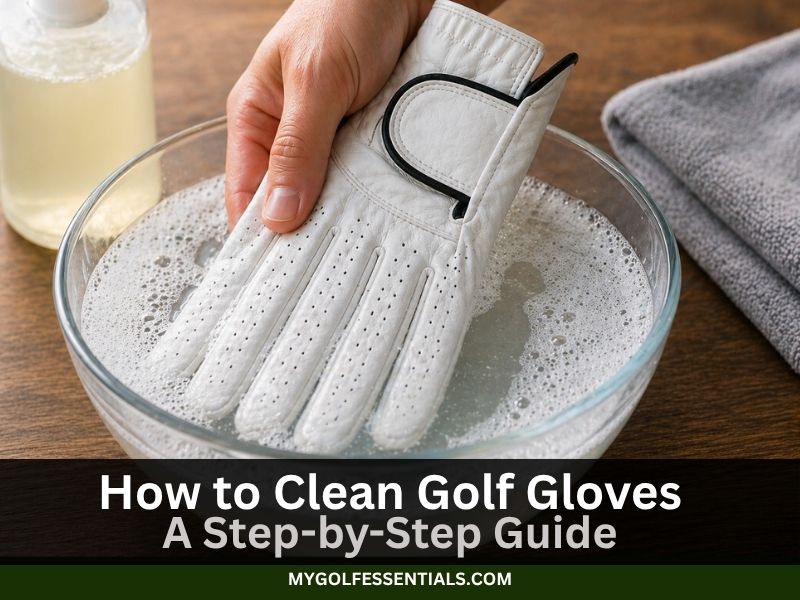
You probably think you already know how to clean golf gloves but if you’ve scrubbed them with hot water or tossed them in the dryer, that’s the problem. Sweat, dirt, and grip oils build up fast with every round. They harden the material, kill your grip, and cut the glove’s life short.
This guide covers every step of the process, from quick rinses after sweaty rounds to deep cleans for heavily soiled gloves. You’ll know exactly what to do, what products to avoid, and how to keep every glove performing at its best, round after round.
Why Does Cleaning Your Golf Glove Actually Matter?
Clean gloves grip stronger, last longer, and feel better in your hand. Sweat contains salt and mild acids that actively break down leather fibers with every round. Skin oils coat the palm surface and reduce the tackiness you rely on for a secure hold. Dirt particles work deep into the material and slowly scratch it from the inside out.
Here’s what happens when you skip cleaning regularly:
- Grip weakens and becomes inconsistent under pressure
- Material stiffens and cracks far ahead of schedule
- Bacteria builds up and creates a persistent, unpleasant odor
- Gloves wear out much sooner than they should
The financial case is just as strong. A quality golf glove costs anywhere from $10 to $30 or more. Regular cleaning extends lifespan significantly, meaning fewer replacements and real savings across a full season.
What Type of Golf Glove Do You Have?
Knowing your glove material is the first step before you clean anything. Using the wrong method for your material type causes more damage than the dirt itself.
1. Leather gloves use Cabretta leather or similar premium animal hide. They mold to your hand beautifully, deliver exceptional grip, and feel premium from the first wear. They’re also the most sensitive to water, heat, and harsh cleaning products, so they demand the most care.
2. Synthetic gloves use man-made materials like microfiber, polyester, or neoprene. They handle moisture far better than leather and tolerate a more thorough cleaning approach. They’re typically more affordable and dry significantly faster after washing.
3. Hybrid gloves combine leather across the palm with synthetic material on the back of the hand. They need a cleaning approach that respects both materials simultaneously: gentle enough for the leather, thorough enough for the synthetic sections.
Always check the label inside your glove if you’re unsure. Most manufacturers print the material composition there.
How Do You Know When Your Golf Glove Needs Cleaning?
Your glove gives you clear signals when it needs attention. Watch for these signs before your next round:
- The palm feels noticeably less tacky or slightly slick
- Visible grime, darkening, or discoloration across the surface
- A noticeable smell before any heavy use
- The material feels rough or stiff compared to when it was new
- Your grip feels less secure on full-swing shots
As a general rule, clean your glove every 3 to 5 rounds during normal play. Hot, humid summer rounds call for more frequent cleaning due to heavier sweat. Cooler winter conditions reduce that need slightly.
Did You Know? Salt from perspiration is one of the most damaging substances for Cabretta leather. A quick rinse after an unusually sweaty round can dramatically slow fiber breakdown and extend your glove’s useful life.
What Do You Need Before You Start Cleaning?
The good news is you likely already have everything you need at home. No specialty products required.
Your cleaning kit
- Mild soap or gentle dish soap
- Cold or lukewarm water
- A soft cloth or clean sponge
- A clean dry towel
- A small bowl or clean sink
What to avoid entirely
- Hot water
- Bleach or heavy-duty laundry detergents
- Abrasive scrubbing pads or brushes
- Acetone or any solvent-based product
- Washing machine, unless you take specific precautions
Keep it simple. Aggressive products strip protective coatings from synthetic gloves and remove natural oils from leather. A mild solution with gentle hands gets the job done without causing damage.
How to Clean Golf Gloves: Step-by-Step
The seven-step process below works for most glove types. Follow each step in order for the best results.
Step 1: Check the Glove’s Condition First
Inspect your glove closely before you wash it. Look for tears, worn-through spots, or loose stitching along the seams. Cleaning won’t fix structural damage. If the palm is worn through completely or the leather is cracking badly, replace the glove rather than wasting time washing something past its prime.
Step 2: Prepare Your Cleaning Water
Fill a bowl or clean sink with cold or slightly warm water. Keep the temperature comfortable to the touch, never hot. Hot water causes leather to shrink, harden, and crack beyond recovery. When you’re unsure, lean cooler. Cool water works safely for both leather and synthetic materials.
Step 3: Add a Small Amount of Mild Soap
Add just a drop or two of mild soap to the water. Swirl gently until you see light suds form. Never concentrate soap directly onto the glove surface before diluting it first. A small amount goes a long way, and too much creates stubborn residue during rinsing.
Step 4: Gently Wash the Glove
Submerge the glove and rub the surface gently with your fingers or a soft cloth. Work in circular motions across the palm, each finger, and the back of the glove.
Avoid scrubbing aggressively. The goal is to lift dirt and oils from the surface, not to grind down the material. Spend extra time on the palm area, where grip quality matters most.
Step 5: Rinse Out All the Soap
Hold the glove under cool running water. Squeeze the material gently to push soapy water out of the fibers. Keep rinsing until the water runs completely clear with no suds. Leftover soap residue stiffens the material and can make your grip feel unreliable during play.
Step 6: Remove Excess Water Without Twisting
Lay the glove flat on a clean dry towel. Fold the towel over the glove and press firmly to absorb as much water as possible. Never wring or twist the glove at any point. Twisting permanently distorts the shape and breaks down internal fibers in ways you can’t undo.
Step 7: Air Dry in the Right Spot
Place the glove flat or hang it in a cool, well-ventilated area away from direct sunlight and any heat source. Heat remains the number one enemy of golf gloves, especially leather. Let it dry naturally, which typically takes a few hours to overnight depending on thickness and humidity.
Pro Tip: Slide the glove back onto your hand briefly while it’s still slightly damp. Wearing it as it dries shapes the material to your exact hand, which keeps the fit snug and natural.
How Do You Clean Leather Golf Gloves Without Ruining Them?
Leather gloves reward patience and gentle handling. The general steps above apply, but leather-specific rules protect the material from permanent damage.
Follow these guidelines specifically for leather:
- Never soak a leather glove in water for longer than 2 to 3 minutes
- Use the gentlest soap available, ideally one designed for leather or delicate fabrics
- Work quickly through the wash stage without lingering
- Apply a small amount of leather conditioner after the glove dries fully
- Always dry leather gloves flat, never hanging upright, since hanging stretches and distorts the shape
What to absolutely avoid with leather gloves:
- Overnight soaking or extended submersion in water
- Direct heat from radiators, hair dryers, or sunlight
- Vigorous rubbing with any cloth or sponge
- Machine washing, even on delicate cycles
Leather conditioner is the step most golfers skip entirely. After your glove dries, work a small amount of conditioner into the palm and fingers using gentle circular motions. It restores suppleness, prevents future cracking, and keeps the leather tacky and responsive round after round.
Can You Put Golf Gloves in the Washing Machine?
Machine washing is risky, even for synthetic gloves. Leather gloves should never go in a washing machine under any circumstances. The agitation, heat, and tumbling cycle destroy the material fast and completely.
For synthetic gloves only, machine washing is possible if you follow strict precautions:
- Place the glove inside a mesh laundry bag before loading
- Select cold water and the gentlest cycle your machine offers
- Use a very small amount of mild detergent only
- Skip the spin cycle entirely if your machine allows it
- Never put the glove in a dryer under any conditions
Even with every precaution in place, hand washing remains the gold standard when learning how to clean golf gloves. Machine washing stresses seams, distorts the shape, and shortens overall lifespan even when executed carefully. Reserve the machine for situations where hand washing genuinely isn’t an option.
How Long Do Golf Gloves Last, and When Should You Replace Them?
Even with perfect cleaning habits, golf gloves wear out. Cleaning extends life dramatically, but it can’t stop the clock forever.
Here’s a general breakdown of lifespan based on glove type and care habits:
| Glove Type | Avg. Lifespan Without Cleaning | Avg. Lifespan With Proper Care |
| Leather | 15 to 20 rounds | 25 to 35 rounds |
| Synthetic | 20 to 30 rounds | 35 to 50 rounds |
| Hybrid | 18 to 25 rounds | 30 to 40 rounds |
These are general estimates based on typical use and care habits. Actual lifespan varies by brand quality, sweat levels, and how the glove is stored.
Replace your glove when you notice these signs:
- The palm is visibly worn through to the base layer
- Grip feels slick even immediately after a thorough clean
- Seams or stitching are actively coming apart
- The material feels brittle or shows cracking that conditioning won’t fix
Cleaning extends life. It can’t reverse structural damage. Know when to move on.
How Do You Keep Golf Gloves Clean for Longer?
Prevention beats cleaning every single time. A few consistent habits dramatically reduce how often you need to wash your gloves in the first place.
- Rotate between two or more gloves: Alternating gloves gives each one time to dry fully between rounds. This single habit reduces salt and moisture buildup more than any other strategy on this list.
- Let gloves air out after every round: Lay the glove flat with the velcro open as soon as you finish playing. Stuffing a damp glove into a closed bag is one of the fastest ways to accelerate breakdown and odor.
- Remove the glove between shots: Many tour professionals take their glove off while opponents play. This reduces total wear time and limits sweat transfer across an 18-hole round.
- Store gloves flat in a cool, dry place: Heat and trapped humidity inside a closed bag speed up material breakdown significantly. A flat drawer or a dedicated glove pouch works perfectly.
- Keep your hands as dry as possible: Wipe sweat from your hand before putting the glove back on. This small habit reduces moisture transfer with every single use and makes a noticeable difference across an entire season.
What Mistakes Ruin Golf Gloves During Cleaning?
Most glove damage during cleaning traces back to a handful of avoidable errors. Check this list carefully before washing your next glove.
- Using hot water: The single most common and damaging mistake. Hot water shrinks leather and degrades synthetic fibers immediately.
- Using harsh detergent: Bleach and heavy cleaners strip protective coatings and remove natural oils the material needs to stay supple.
- Wringing or twisting: Permanently distorts the glove shape and damages fibers in ways that change how the glove fits on your hand.
- Drying near heat: UV rays, radiators, and hair dryers dry out leather and warp synthetic material. Air drying is always the right call.
- Soaking too long: Even water-tolerant synthetic gloves stretch and lose shape with extended submersion.
- Skipping the rinse: Soap residue left inside the glove stiffens the material and irritates skin during play.
- Ignoring your glove type: Treating leather like synthetic is a fast path to a ruined glove.
One or two of these mistakes won’t destroy a glove instantly. But repeat offenses compound quickly and cut lifespan in half.
Final Thoughts
Knowing how to clean golf gloves is one of those small habits that quietly transforms your game and your wallet over time. A clean glove grips better, feels more comfortable, and lasts significantly longer than a neglected one. The process takes less than ten minutes and costs nothing beyond what you already have at home.
Be gentle with leather, a little more relaxed with synthetics, and always air dry naturally. Rotate your gloves, store them flat, and take them off between shots. None of these are complicated routines. They’re small, consistent habits that protect your grip and your investment. Your gloves work hard every round. A little care in return goes a long way.
Key Takeaways
- Clean golf gloves grip stronger, last longer, and prevent bacterial odor buildup.
- Always identify your glove material first: leather, synthetic, or hybrid each needs a different approach.
- Use cold or lukewarm water only. Hot water damages both leather and synthetic materials.
- Mild soap is all you need. Harsh detergents strip materials and shorten glove life fast.
- Always air dry flat in a shaded, ventilated area. Never use heat to speed drying.
- Never wring or twist your glove. Press with a towel to remove excess water instead.
- Leather gloves need a small amount of conditioner after each wash to restore softness.
- Rotate between multiple gloves and remove between shots to reduce sweat buildup.
- Machine washing is risky even for synthetics. Hand washing delivers better results every time.
- Replace your glove when the grip stays slick after cleaning or the palm wears through completely.
FAQs
How Do You Get the Sweat Smell Out of Golf Gloves?
Rinse your glove in cool water immediately after a heavy-sweat round. For persistent odor, soak it briefly in a mix of cool water and a small splash of white vinegar, then rinse thoroughly. Vinegar neutralizes bacteria-caused odors without damaging most glove materials. Allow the glove to air dry completely before storing it.
Can You Use Vinegar to Clean Golf Gloves?
Diluted white vinegar works as a mild cleaner and odor neutralizer for synthetic gloves. Mix one part vinegar with four parts water, apply gently with a soft cloth, and rinse thoroughly afterward. Avoid using vinegar on leather gloves regularly, as its mild acidity can dry out and gradually weaken the leather with repeated use.
How Do You Soften a Stiff Golf Glove After Washing?
Apply a small amount of leather conditioner to a leather glove once it dries fully. Work it in gently using circular motions and allow it to absorb for several minutes. For synthetic gloves, a light rub with a barely damp cloth helps. Stiffness usually results from soap residue or heat drying, so thorough rinsing and natural air drying prevent it most of the time.
What Should You Not Use to Clean Leather Golf Gloves?
Avoid rubbing alcohol and acetone above anything else. Both strip the natural oils from leather and cause it to dry out and crack quickly. As a general rule, if it’s a solvent, keep it away from your glove. Mild soap diluted in cool water is all you need.