Skip to content
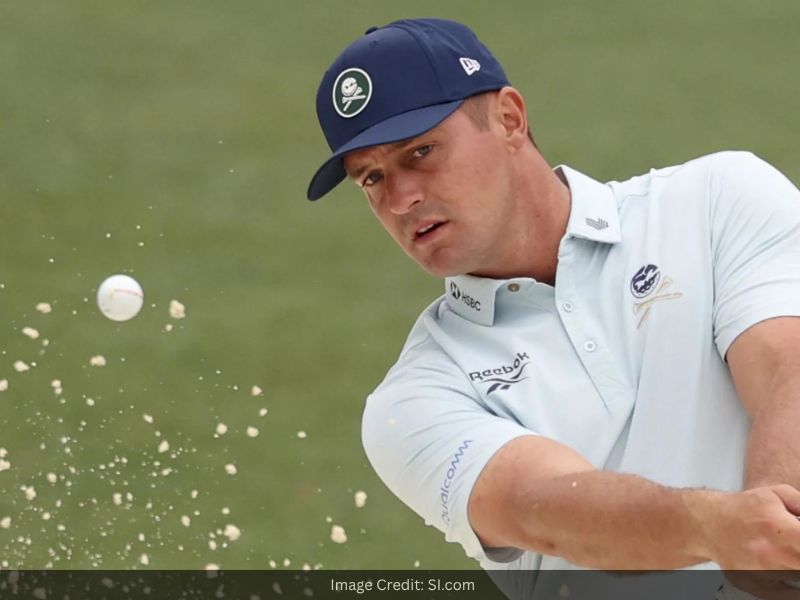
The Bryson DeChambeau LIV Golf situation is rapidly becoming one of the biggest talking points in professional golf, with analysts warning that the league’s future could be in jeopardy if its biggest star walks away.
A recent analysis has sparked intense debate by suggesting that LIV Golf’s long-term survival may heavily depend on DeChambeau’s presence. As contract uncertainty grows and financial questions surround the Saudi-backed league, the stakes have never been higher.
Why Bryson DeChambeau Is Central to LIV Golf
The Bryson DeChambeau LIV Golf connection goes beyond just performance. DeChambeau is not only one of the league’s top players but also one of its most recognizable faces globally. His power-driven playing style, combined with a strong digital presence, has helped LIV Golf attract younger audiences.
Unlike many traditional golfers, DeChambeau has built a brand that extends into social media and content creation. This has made him a valuable asset for LIV Golf, which relies heavily on star power to compete with established tours.
Experts argue that losing him would significantly reduce the league’s visibility and engagement.
Financial Uncertainty Adds Pressure
The Bryson DeChambeau LIV Golf crisis is unfolding alongside increasing concerns about the league’s financial sustainability. Despite massive backing from Saudi Arabia’s Public Investment Fund, reports suggest that LIV Golf has yet to establish a profitable model.
Viewership numbers have been inconsistent, and sponsorship growth has not matched expectations. These factors have led analysts to question how long the current level of investment can continue.
If financial backing weakens, retaining high-profile players like DeChambeau could become even more difficult.
Contract Talks Could Decide the Future
At the center of the Bryson DeChambeau LIV Golf debate is his contract situation. Reports indicate that his current deal may be nearing its end, and negotiations for a renewal are far from straightforward.
DeChambeau has options. He could remain with LIV Golf, explore opportunities with other tours, or even push for a new competitive structure within the sport. Each possibility carries major implications.
If he leaves, it could trigger a domino effect, encouraging other players to reconsider their commitments.
Injuries and Performance Concerns
Recent events have added another layer to the Bryson DeChambeau LIV Golf storyline. The golfer has dealt with injuries, including a wrist issue that forced him to withdraw from competition.
While injuries are common in sports, timing matters. For LIV Golf, any absence from its biggest star can impact fan interest and media attention.
Combined with inconsistent performances in major tournaments, this raises questions about both his short-term form and long-term role.
A League Still Searching for Stability
The Bryson DeChambeau LIV Golf issue highlights a broader challenge: the league is still trying to establish itself as a stable and credible alternative to traditional tours.
Since its launch, LIV Golf has introduced bold changes, including shorter tournaments and team-based formats. While innovative, these changes have received mixed reactions from fans and critics.
Without strong leadership figures and consistent star participation, maintaining momentum becomes difficult.
What Happens If DeChambeau Leaves
If the Bryson DeChambeau LIV Golf partnership ends, the consequences could be significant. The league would lose one of its biggest marketing assets and a key driver of engagement.
This could lead to:
- Reduced media coverage
- Lower fan interest
- Difficulty attracting sponsors
- Increased pressure on remaining players
Some analysts believe LIV Golf could survive, but only with major restructuring. Others argue that losing DeChambeau could accelerate a decline that has already begun.
The Bigger Picture for Golf
The Bryson DeChambeau LIV Golf situation is also part of a larger transformation within professional golf. The rivalry between LIV Golf and traditional tours has reshaped the sport, creating new opportunities but also new tensions.
Future collaborations or mergers remain possible, but uncertainty continues to dominate the conversation.
Conclusion
The Bryson DeChambeau LIV Golf crisis is more than just a contract issue; it’s a defining moment for the league. As financial pressures grow and competition intensifies, the importance of star players has never been clearer.
Whether DeChambeau stays or leaves could determine not just his own career path, but the future direction of LIV Golf itself.
For now, the league stands at a crossroads, with every decision carrying long-term consequences.