
A great golf shot doesn’t start at impact, it starts the moment you move the club away from the ball. The golf swing takeaway is the foundation of every swing, and even small mistakes here can throw off your backswing, downswing, and shot accuracy. If your takeaway feels rushed, disconnected, or inconsistent, your game will show it.
Master the Golf Swing Takeaway: Tips for a Solid Start
 Written byJustin Wilcox, Founder and editorLast updated September 14, 2025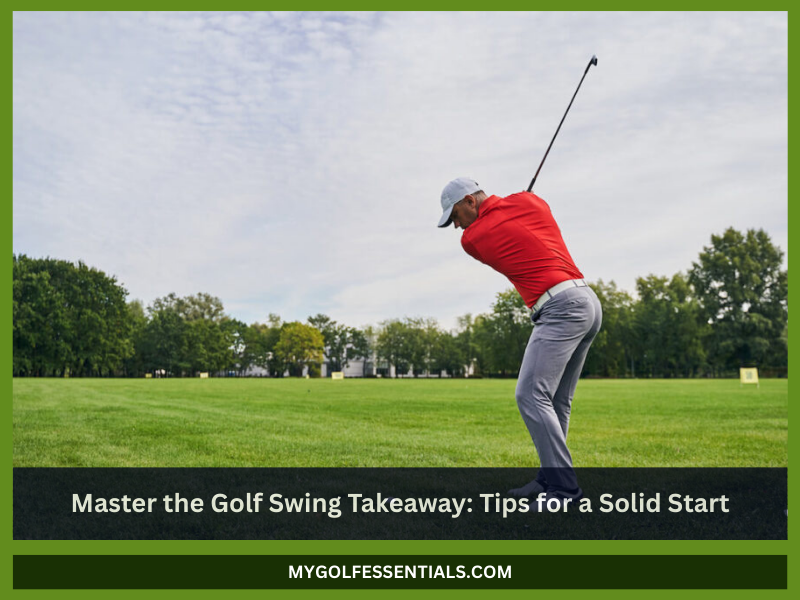
In this article, we’ll break down why the takeaway is so important, the correct positions to aim for, and the most common mistakes golfers make early in the swing. You’ll also learn simple takeaway drills, quick fixes for early errors, and how to build solid backswing mechanics that set you up for success. By the end, you’ll have the tools to create a smooth, consistent start to your swing every time you step up to the ball.
Why the Takeaway Is Key in Golf Swing Fundamentals
Every great golf swing starts with one thing: a clean and controlled golf swing takeaway. This first move back from the ball may seem small, but it sets the stage for your entire swing. A poor takeaway often leads to broken rhythm, an off-plane backswing, and shots that spray in every direction. A correct takeaway, on the other hand, builds balance, consistency, and power.
Think of the takeaway as the “blueprint” of your swing. When it’s smooth and connected, you’ll find it easier to maintain the right swing path and tempo. But when it’s rushed, disconnected, or overly wristy, your swing path changes, and fixing things mid-swing becomes nearly impossible. This is why many coaches call the takeaway one of the most important first steps in golf swing fundamentals.
One-Piece vs. Arm-Only Takeaway
Golfers usually fall into two main methods for starting their swing:
- One-Piece Takeaway – Shoulders, arms, and hands move back together as a unit. This creates a connected motion and builds a natural rhythm.
- Arm-Only Takeaway – The arms separate early from the body, leading to a disconnected motion. This often causes a flat or steep backswing and inconsistent contact.
If you’re aiming for consistency, the one-piece takeaway usually gives better results. It helps maintain the triangle formed by your shoulders and arms at setup, making your swing more reliable.
But there’s more to the takeaway than just the start, what happens in the first few feet of motion can make or break your backswing. And that brings us to the mechanics of getting into the correct positio.
Correct Takeaway Position and Backswing Mechanics
The P2 Checkpoint
Once the takeaway begins, your first goal is to guide the club into the correct position by waist height, commonly called the P2 checkpoint. At this point:
- The club shaft should be parallel to the ground.
- The shaft should point along the target line, not inside or outside.
- The clubface should be slightly down, not wide open or closed.
P2 acts like your built-in “swing marker.” If your club is angled too far inside, you risk coming over the top later. Too far outside, and you may cut across the ball. Hitting this checkpoint consistently makes the rest of your swing smoother.
Shoulder Turn and Spine Angle
The shoulder turn should initiate the motion, not your hands or arms alone. A good swing thought is to feel your lead shoulder rotate under your chin. This keeps the arms passive and ensures your body drives the movement.
At the same time, your spine angle should remain steady, holding the posture you set at address. Losing posture, standing up or dipping down, creates an unstable path that’s hard to recover from.
Staying on the Swing Plane
The last key is maintaining the proper swing plane. If the club drifts too far inside or outside, your downswing has to compensate. That usually means slices, hooks, or topped shots. By keeping your arms and body connected in the early takeaway, you naturally stay on plane and give yourself the best chance at a repeatable backswing.
Of course, knowing the right mechanics is one thing, executing them consistently is another. Early mistakes often creep in without you realizing it. So how do you spot and fix these problems before they ruin your swing? That’s where early takeaway fixes and proven takeaway drills come in.
Common Early Takeaway Mistakes and Fixes
Even golfers with solid fundamentals often struggle with the first few inches of the golf swing takeaway. Small errors here create big problems later in the swing, leading to slices, hooks, or topped shots. The good news is that most of these mistakes are easy to spot, and even easier to fix once you know what to look for
Early Wrist Roll
One of the most common errors in the golf swing takeaway is rolling the wrists too early. This opens the clubface and pulls the club too far inside, forcing you to reroute the club on the downswing. The result? Inconsistent contact and frequent slices.
Fix: Keep the clubface square by feeling like the back of your lead hand stays facing the target until waist height. A quick visual check in a mirror or on video helps reinforce this alignment.
Lifting the Arms
Another issue is lifting the arms away from the body instead of turning the shoulders. This disconnects your swing and often leads to a steep or choppy downswing.
Fix: Focus on a one-piece takeaway by turning your shoulders and letting the arms follow naturally. A towel or headcover under your lead armpit is a great reminder to stay connected.
Breaking Posture
Standing up out of posture or dipping down during the first move back ruins balance and rhythm. This usually happens when golfers overthink or rush the start of their swing.
Fix: Maintain your setup angles by keeping your spine tilt and knee flex steady. A simple “slow and smooth” takeaway thought helps you avoid jerky movements.
Quick Reminder of Fixes:
- Keep the clubface square (avoid early wrist roll).
- Turn with your shoulders, not just your arms.
- Hold posture steady from setup to P2.
Even with these corrections, most golfers need structured practice to build muscle memory. That’s where takeaway drills can make all the difference.
Takeaway Drills to Train the Right Move
Fixing mistakes is one thing, but training your body to repeat the right takeaway consistently is what truly improves your game. That’s where simple yet powerful takeaway drills come in. These exercises build muscle memory, help you stay connected, and keep your swing on plane without overthinking.
Checkpoint Drill (P2 Pause)
The checkpoint drill is all about awareness. Pause when your club reaches waist height and check:
- Is the shaft parallel to the ground?
- Is it pointing along the target line?
- Is the clubface slightly down, not wide open?
This drill gives you instant feedback and teaches you to recognize the correct backswing mechanics.
Towel or Headcover Drill for Connection
Place a towel or headcover under your lead arm at setup. If it falls out during the takeaway, it means your arms are separating from your body. This drill trains a connected, one-piece takeaway and keeps your arms and shoulders working together.
Barrier or Bucket Drill to Stay on Plane
Set an alignment stick or small object just outside your club path. If your club moves too far inside or outside, you’ll hit the barrier. Another option is the bucket drill, place a bucket behind your clubhead at address and move the club back without knocking it over. Both drills force you to stay on the correct swing plane.
With these drills, you build habits that reinforce a repeatable, solid takeaway. But once you’ve practiced drills and fixed the early mistakes, the next step is knowing how to carry these changes into your regular swing routine for lasting consistency.
Build a Consistent Start
A strong swing begins long before the club reaches the top of the backswing. The golf swing takeaway is your foundation, and when it’s consistent, everything that follows feels easier. A solid takeaway improves your backswing mechanics, keeps your swing path on plane, and leads to cleaner, more accurate ball striking.
To make this movement second nature, drills aren’t just optional, they’re essential. Practicing with tools like the checkpoint drill, towel drill, or barrier drill helps you ingrain the right motion so it becomes automatic on the course. The more you repeat these simple actions, the less you’ll need to think about mechanics during play.
Tips for Building Consistency:
- Practice takeaway drills for just 5–10 minutes before a round.
- Use slow, controlled reps to focus on connection and posture.
- Record your takeaway on video to spot and fix issues quickly.
By combining drills with mindful practice, you’ll transform your takeaway into a smooth, reliable habit. Over time, that consistent start will give you the confidence to swing freely, knowing your backswing mechanics are already set up for success.
Conclusion
The golf swing takeaway may look like a small part of the swing, but it carries big consequences. A rushed or disconnected start can throw off your entire motion, while a smooth and connected takeaway builds balance, rhythm, and accuracy. By focusing on the fundamentals, keeping your shoulders, arms, and spine working together, you set yourself up for a backswing that naturally stays on plane.
Fixing early mistakes like wrist rolls, lifted arms, or posture breaks doesn’t have to be complicated. With simple checkpoints and proven takeaway drills, you can train your body to repeat the right move until it becomes second nature. The more consistent your takeaway, the more consistent your ball striking will become.
So next time you’re on the range, give your first few inches of movement the attention they deserve. Build a strong start, trust your drills, and watch how a solid takeaway transforms not just your swing, but your entire game.
Key Points
- The golf swing takeaway is the foundation of the swing and directly impacts rhythm, path, and shot accuracy.
- A poor takeaway leads to off-plane backswings, inconsistent strikes, and the need for mid-swing compensations.
- The one-piece takeaway, where shoulders, arms, and hands move together, creates a more connected and reliable motion.
- The arm-only takeaway often causes disconnection, leading to a flat or steep backswing.
- At the P2 checkpoint (waist height), the club shaft should be parallel to the ground and pointing down the target line.
- A correct takeaway requires a steady spine angle, a proper shoulder turn, and avoiding excess hand or arm movement.
- Common mistakes include early wrist roll, lifting the arms, and breaking posture during the first move back.
- Fixes include keeping the clubface square, turning with the shoulders, and maintaining setup posture through the takeaway.
- Effective takeaway drills include the checkpoint drill, towel or headcover drill, and barrier or bucket drill.
- Regular practice with drills builds a consistent, smooth, and connected takeaway, improving backswing mechanics and overall ball striking.
FAQs
How does a correct takeaway influence my backswing and shots?
A solid takeaway leads to a proper backswing mechanic, aligned with your swing plane, maintaining posture, and preserving rhythm. This foundation supports better ball striking, improved accuracy, and more consistent shots.
Can recording my swing help my takeaway?
Yes. Filming your swing, especially a down-the-line view, helps you compare your position at P2 to ideal setups. You can spot issues like inside takeaways, early wrist rolls, or posture breaks much more easily.
What’s the biggest payoff of mastering the golf swing takeaway?
When you train a smooth, connected, and reliable takeaway through proper mechanics and frequent drills, it leads to improved swing path, consistency, and confidence, transforming both your backswing mechanics and your game overall.
How often should I practice takeaway drills?
Spend just 5–10 minutes before your round or practice, focusing on slow, controlled reps. Use drills to build muscle memory and reinforce a smooth, connected takeaway. Over time, this consistency becomes automatic in your swing.