
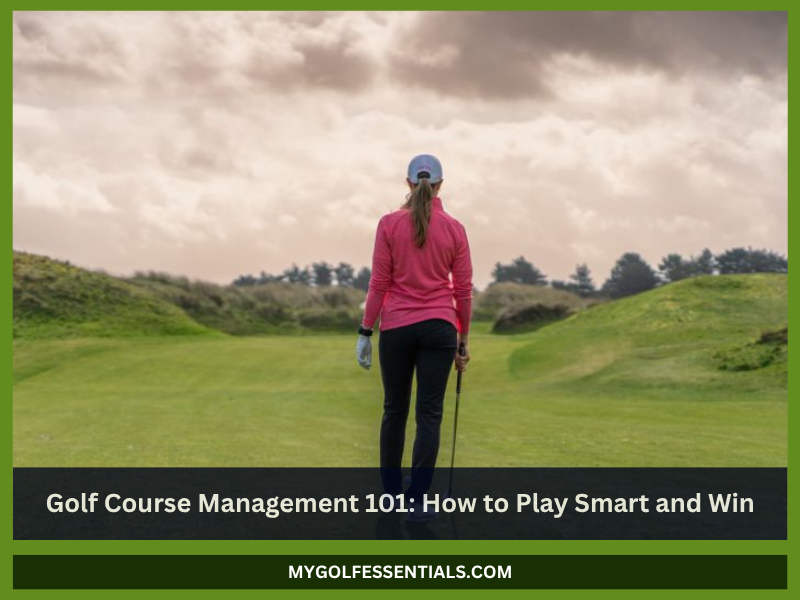
Ever wonder why some golfers consistently shoot lower scores without hitting the ball farther than you? The answer often lies in golf course management, a skill that separates strategic players from those who rely only on power. It’s not just about your swing; it’s about how you think your way around the course, make smart decisions, and avoid unnecessary risks.
In this article, we’ll break down simple, effective strategies to help you play smarter golf, whether you’re a beginner or looking to sharpen your edge. You’ll learn how to plan your shots, manage trouble spots, choose the right clubs, and stay mentally in control.
From tee to green, this golf course management guide will give you the tools you need to lower your score without changing your swing.
What Is Golf Course Management?
Is hitting it long really the key to lower scores? Not always. While distance can give you an edge, it’s often smart decision-making, not power, that wins rounds. That’s where golf course management comes in. It’s the art of playing to your strengths, avoiding unnecessary risks, and thinking ahead on every shot.
Many amateur golfers fall into the trap of playing aggressively on every hole, aiming for pins tucked behind bunkers, pulling out drivers on tight fairways, or trying to reach every par-5 in two.
This approach may work occasionally, but it rarely leads to consistent scoring. On the other hand, smart golf course play helps you stay out of trouble, recover from mistakes faster, and shoot better scores without changing your swing.
Why Playing Smart Beats Swinging Hard
Good course management involves choosing the right club, picking the right target, and playing with strategy, not ego. Instead of chasing perfect shots, you learn to make reliable ones, and that’s how you stay in control of your round.
Key course management concepts include:
- Thinking one or two shots ahead
- Playing to the fat part of the green
- Aiming away from trouble, even if it means a longer putt
- Knowing when to lay up instead of going for it
You’ll save strokes not by being more aggressive, but by making fewer mistakes. Want to start putting these ideas into play? It all begins with knowing your own game.
Know Your Game and Plan Ahead
To manage a course well, you first need to manage yourself. That means knowing your game better than anyone else. Smart golfers don’t guess which club to hit, they know. They’ve taken the time to learn their tendencies, strengths, and limitations. This knowledge allows them to make confident decisions, even under pressure.
Know Your Distances and Tendencies
Many players overestimate how far they hit the ball. You might believe your 7-iron goes 160 yards, but if your average shot flies 145, that miscalculation will leave you short more often than not. Smart golf course management starts with realistic expectations.
Spend a few sessions tracking your average distances. Use a GPS app, launch monitor, or even a notepad during practice rounds. Focus on:
- Average carry distance for each club
- Miss tendencies (slice, hook, short, long)
- Confidence level with each club
Once you have this data, you’ll make smarter decisions on club selection and target lines.
Study the Course in Advance
Before you even step on the first tee, spend time reviewing the course layout. Whether it’s your home course or a new one, understanding the design can give you a big edge. Look at the shape of each hole, distances to hazards, and where trouble tends to lurk.
Useful tools for pre-round planning:
- Google Earth or satellite view on apps
- Online scorecards or yardage books
- Notes from previous rounds
Identifying doglegs, narrow fairways, or forced carries will help you set realistic expectations, and avoid surprises mid-round.
Strategize by Hole, Not Just Shot
Every hole should have a clear plan. Instead of focusing only on the next shot, zoom out and think about how to play the hole from start to finish. This type of golf strategy helps you manage risk and play to your strengths.
Ask yourself:
- What’s the best club to keep the ball in play off the tee?
- Should I aim for the middle of the green or a safer area?
- Is going for the green in two worth the risk?
A good hole strategy often includes:
- Playing away from pins near hazards
- Leaving your ball below the hole on fast greens
- Choosing clubs that eliminate big misses
When you approach each hole with a plan, you’ll feel more in control of your game. But there’s still one critical element to smart golf that we haven’t covered yet: how to make the most of your tee box strategy.
Smart Tee and Approach Shot Strategies
Do you treat every tee shot the same way? If you’re always reaching for your driver without considering what comes next, you’re missing a crucial part of golf course management. Smart golfers know the tee shot isn’t about hitting the ball as far as possible, it’s about positioning yourself for the easiest next shot.
Choose the Best Angle from the Tee
Teeing off from the right side of the box can create better angles for your next shot. For example, if the fairway bends right, teeing up on the left side opens up the hole and gives you more room to fade the ball. Small decisions like this can mean the difference between a birdie putt and a recovery shot from the rough.
Use the Right Club for Accuracy, Not Just Distance
Distance is great, but not if you end up in a bunker, behind a tree, or out of bounds. In many cases, a 3-wood, hybrid, or long iron will keep the ball in play and leave you in a better position than a risky driver.
Smart club selection tips:
- Use clubs you trust on tighter holes
- Focus on hitting a specific target, not just “down the fairway”
- Consider wind, elevation, and landing area slope
Aim for Safe Zones on Approaches
Aggressive pin-hunting leads to trouble more often than not, especially when pins are tucked behind bunkers or near water. Instead, aim for the middle of the green or the side that gives you the best chance to two-putt or chip close. This strategy increases your consistency and reduces your risk of big numbers.
Knowing when to attack and when to play safe is a hallmark of great course management for beginners and pros alike. But no matter how well you plan your shots, hazards are everywhere, and managing them is just as important.
Avoid Trouble and Manage Hazards
What separates a smart round from a disaster? Often, it’s how well a golfer avoids the big mistakes. Every course has its fair share of hazards, bunkers, water, thick rough, or out-of-bounds areas. Managing these is a major part of effective golf course management.
Spot Trouble Before You Swing
Before every shot, take a few seconds to scan the area. Where are the bunkers? Is there water short of the green? Is there OB left? Being aware of the danger allows you to adjust your aim and club choice to avoid it.
Checklist before each shot:
- Check for hidden hazards near your landing zone
- Use a GPS or rangefinder to measure distances to trouble spots
- Know where a safe miss is, and aim there when needed
Lay Up When It Makes Sense
It’s tempting to go for the green in two on a reachable par-5 or to carry a pond with a long iron. But if you’re not confident, it’s okay to lay up. A well-placed shot that avoids danger is better than a bold one that ends in penalty strokes.
Laying up isn’t a weakness, it’s strategy. Smart players know when to go and when to hold back.
Leave Ego Out of It
Ego is the enemy of smart golf. Don’t let pride convince you to hit shots you haven’t practiced or to pull off “hero shots” that rarely work. The goal isn’t to impress, it’s to score well.
Staying disciplined and avoiding disaster takes patience, but it’s a skill that pays off in every round. And when you’ve mastered playing smart from tee to green, the next critical step is tightening up your short game.
Short Game and Putting Management
Want to lower your score quickly? Start with the short game. Great drives are nice, but it’s your performance inside 100 yards that really counts. A strong short game is the secret weapon of smart golf course management, especially when the greens are fast, the pressure is on, or your long game is off.
Play Below the Hole on Fast Greens
On speedy greens, being above the hole can turn a routine two-putt into a three-putt nightmare. Whenever possible, plan your chips, pitches, and approaches to leave the ball below the hole. Uphill putts are easier to control, read, and make.
That may mean aiming for a different part of the green or adjusting your wedge distance, but the payoff is more consistent putting and fewer mistakes.
Master the Art of Lag Putting
One of the most underrated golf strategy tips is learning to lag putt. If you’re constantly leaving long first putts short or racing them past the hole, you’re adding strokes you could easily save. The goal isn’t always to make it, it’s to leave yourself an easy second putt.
For better lag putting:
- Focus on distance control, not just the line
- Practice 30–50 foot putts regularly
- Use a smooth tempo and avoid decelerating
Use Wedges with Precision, Not Power
Too many golfers try to “hit” wedge shots rather than control them. The key is to think small, literally.
Short-game mindset:
- Aim for a specific landing spot
- Use shorter backswings and consistent follow-through
- Visualize how the ball will release after it lands
Remember: “Aim small, miss small.” Precision, not aggression, is what lowers scores from close range. And speaking of scores, let’s talk about the mental strategies that help turn good shots into great rounds.
Play With a Score-Lowering Mindset
Golf is as much a mental game as it is physical. Your attitude and mindset can make or break your round, no matter how technically sound your swing is. Strong golf course management isn’t just about shot selection; it’s about thinking clearly under pressure and making decisions that support consistent scoring.
Rethink Par to Reduce Pressure
Not every par-4 has to be played as a par-4. One of the smartest strategies is to treat tougher holes as a personal par +1. This mental shift lowers pressure and lets you focus on execution rather than unrealistic expectations.
If a hole consistently gives you trouble, plan for bogey, and celebrate par as a win.
Stick to the Game Plan, Even When Tempted
Sticking with your strategy, even when you’re behind or things aren’t going perfectly, is key to smart course management for beginners and advanced players alike. Avoid chasing birdies or trying to “make up” for a mistake with a risky shot.
Keep your head clear with these reminders:
- Play your own game, not your opponent’s
- Don’t try to “get it all back” in one hole
- Take what the course gives you
Track What Actually Lowers Your Score
Do you know what’s costing you the most strokes? Many golfers assume it’s putting, but it could be missed fairways, poor wedge play, or mental errors. Tracking your game helps you focus your practice and improve where it matters.
Track key stats like:
- Greens in regulation (GIR)
- Putts per round
- Penalties or lost balls
- Up-and-down success rate
A score-lowering mindset is built on honesty, discipline, and focus, not risky play. Combine that with the techniques from earlier sections, and you’ll be managing the course like a pro in no time.
Conclusion
You don’t need to hit the longest drives or sink every birdie putt to shoot lower scores. The real game-changer is golf course management, playing each hole with purpose, strategy, and control. From knowing your own distances to choosing the right targets and avoiding unnecessary risks, every decision you make can shave strokes off your game.
By learning to plan ahead, manage your misses, and think two shots in advance, you set yourself up for consistent, steady golf, regardless of skill level. Whether you’re a beginner learning the ropes or an experienced player trying to break a scoring barrier, the strategies in this guide give you the edge.
Next time you step onto the course, don’t just play hard, play smart. Your scorecard will thank you.
Key Points
- Golf course management is about playing smart, not hard, thinking ahead, avoiding unnecessary risks, and using strategy to lower your score.
- Knowing your average club distances and miss tendencies helps you make smarter decisions and avoid costly errors.
- Plan your approach to each hole in advance, including club selection, landing areas, and aiming away from trouble.
- Tee shots should focus on positioning, not power, choose angles that give better approach opportunities, even if it means using less than driver.
- Aim for safe zones on the green instead of attacking every pin, especially when hazards are nearby.
- Always be aware of course hazards, scan for bunkers, water, and OB, and adjust your strategy to avoid them.
- Laying up is often the smarter play on risky par-5s or long carries, especially if you’re unsure about the shot.
- Manage your short game by playing below the hole, practicing lag putting, and hitting wedges with control, not force.
- Use a score-lowering mindset by treating tough holes as par +1 and focusing on consistent play rather than hero shots.
- Track your performance stats, like GIR, putts per round, and penalty strokes, to understand what truly improves your game.
FAQs
Is laying up ever the smart play?
Absolutely. On par‑5s or holes with heavy hazards, laying up takes risk out of the game. A conservative shot that stays in play is smarter than a bold one that costs you strokes.
Why should I plot my strategy hole by hole?
Choosing the right club and aiming spot isn’t enough, you need to plan the whole hole. A hole-by-hole strategy ensures you’re set up for easier next shots and fewer mistakes, adding up to a better round overall.
What is golf course management?
Golf course management is all about playing smart, not hard. It involves planning ahead, picking safe targets, and adjusting your play to suit your strengths rather than going for risky hero shots every time. This strategy helps you avoid trouble and shoot lower scores more consistently.