
Too much spin is quietly stealing yards from your driver. If you’re hunting for the best low spin golf balls in 2026, this guide cuts straight to the answers. We tested seven top models using launch monitor data across multiple swing speeds to find which ones actually reduce driver spin and add real distance.
Best Low Spin Golf Balls for 2026: Our Top 7 Recommendations
 Written byJustin Wilcox, Founder and editorLast updated March 20, 2026
Some links in this review earn us a commission at no cost to you. It never changes what we recommend.
Here’s what we cover: performance at high swing speeds, greenside control, feel, and value across every budget. Whether you’re a scratch player or a mid-handicapper fighting a ballooning tee shot, this list has something for you.
Which Low Spin Golf Balls Should You Buy in 2026?
These seven low spin golf balls earned their spots through structured testing. Here’s a quick comparison before we break each one down.
| Ball | Best For | Driver Spin | Layers | Price Range |
| Titleist Pro V1x Left Dash | Best Overall | Very Low | 4 | $54–$56/dozen |
| TaylorMade TP5x | High Swing Speed | Low | 5 | $52–$55/dozen |
| Callaway Chrome Tour X | Spin + Greenside Control | Low | 4 | $50–$54/dozen |
| Bridgestone Tour B X | Distance Control | Low | 3 | $44–$48/dozen |
| Srixon Z-Star XV | Best Value Premium | Low | 4 | $40–$44/dozen |
| TaylorMade Tour Response Stripe | Mid-Price | Mid-Low | 3 | $28–$32/dozen |
| Titleist AVX | Soft Feel / Moderate Swing Speed | Low | 3 | $44–$48/dozen |
1. Titleist Pro V1x Left Dash: Best Overall
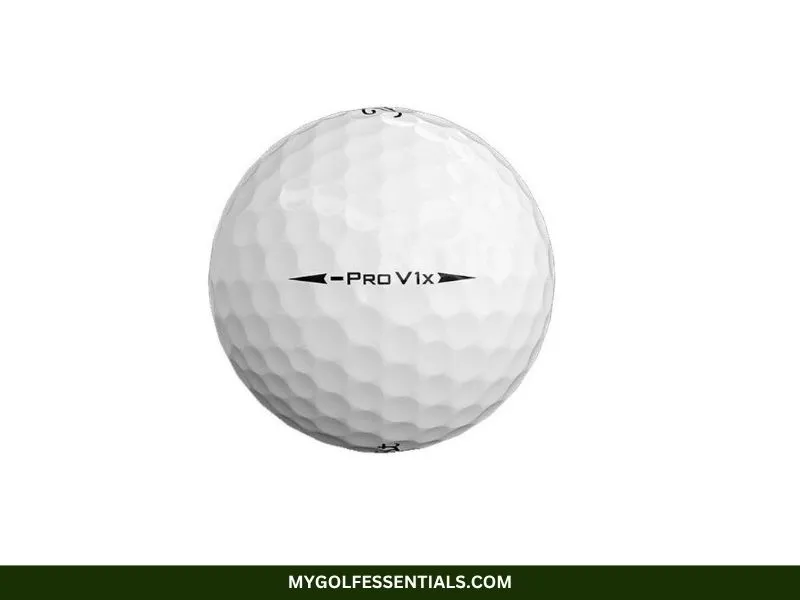
The Pro V1x Left Dash is the top low spin golf ball on the market in 2026. Titleist designed it specifically for players who generate too much driver spin and want max distance without giving up short-game feel.
Here is how it performs across the key areas that matter most.
Key Features:
- High gradient dual core engineered for low driver spin
- Firm cast urethane cover for precise greenside control
- 328 tetrahedral dimple design for a stable, penetrating flight
- Lower driver spin than the standard Pro V1x
Pros:
- Extremely low driver spin adds serious distance off the tee
- Cuts through crosswinds with a stable, boring trajectory
- Tour-level greenside spin on wedge shots
- Trusted by fast-swinging tour professionals
Cons:
- Premium pricing at $54-$56/dozen
- The firm feel is not comfortable for every golfer
Best For: Fast swing speed players above 105 mph, competitive golfers who want maximum distance, and anyone who currently generates excessive driver spin.
2. TaylorMade TP5x: Best for High Swing Speeds
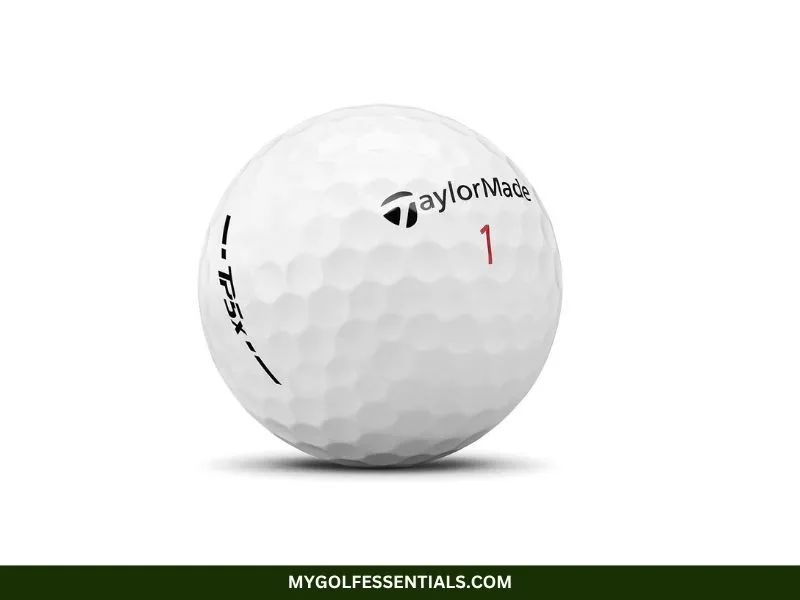
The TP5x was built for speed and it shows. Its five-layer construction pushes ball speed higher while keeping long-game spin lower than most tour alternatives. Aggressive players consistently gain carry distance when they switch to this ball.
Key Features:
- 5-layer construction with a speed-wrapped core
- Seamless Tour Flight dimple pattern for consistent flight
- High launch with lower driver spin combination
- Firm feel that gives precise shot feedback
Pros:
- Exceptional performance for swing speeds above 105 mph
- Strong iron and wedge spin control into greens
- High launch paired with reduced driver spin
Cons:
- Premium price at $52-$55/dozen
- Not suited for golfers with slower swing speeds
Best For: Aggressive ball-strikers with fast swing speeds who demand lower spin off the driver while keeping iron control sharp.
3. Callaway Chrome Tour X: Best Low-Spin Ball With Greenside Control
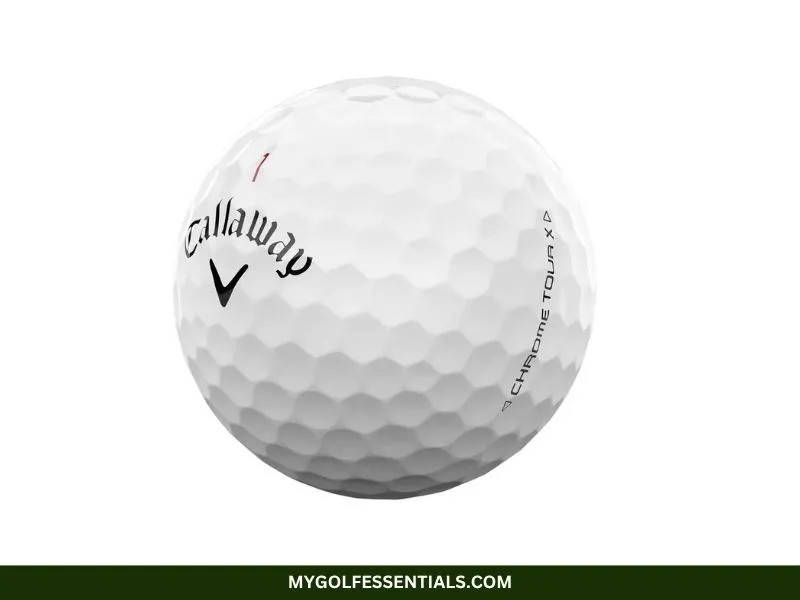
The Chrome Tour X proves that low driver spin and great short-game feel can coexist. Callaway’s Hyper Elastic SoftFast Core pushes ball speed and reduces spin off the tee. The tour urethane cover then locks in the spin you need on approach shots and chips.
Key Features:
- Hyper Elastic SoftFast Core for ball speed and low spin
- Seamless Tour Aero design for a consistent, repeatable flight
- High-speed mantle layer for extra distance
- Tour urethane cover for reliable greenside spin
Pros:
- Reduced driver spin without sacrificing short-game control
- Mid-firm feel that works for a wide range of players
- Consistent, predictable flight pattern in various conditions
Cons:
- Still premium pricing at $50-$54/dozen
- Slightly softer than the Left Dash or TP5x for those who prefer extra firmness
Best For: Players who want meaningful driver spin reduction but still demand soft, controllable feel around the greens.
4. Bridgestone Tour B X: Best for Distance Control
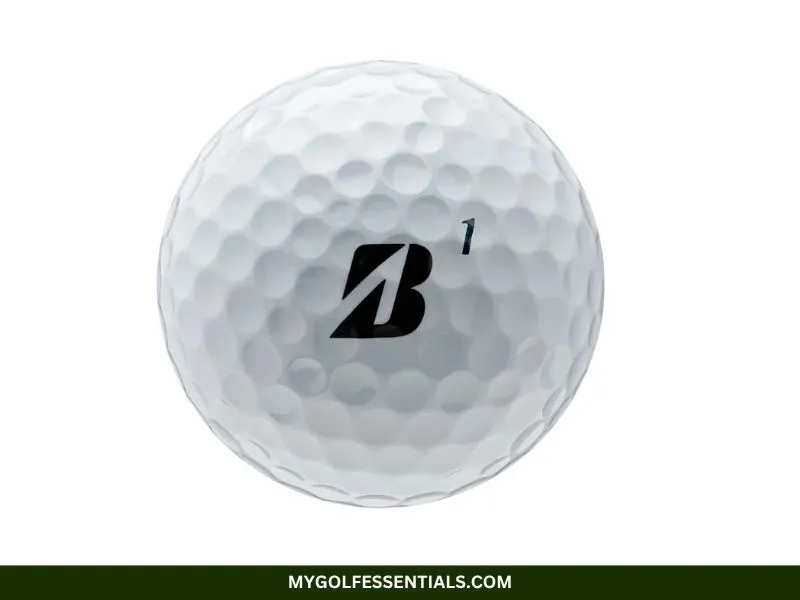
The Tour B X keeps your ball flight straighter and more predictable. Bridgestone’s gradational compression core progressively reduces spin as the ball moves from center to edge. Players who fight ballooning tee shots see the biggest improvement with this ball.
Key Features:
- Gradational compression core for lower, more consistent driver spin
- SlipRes urethane cover for short-game grip and control
- Dual dimple technology for a stable trajectory
- Lower driver spin profile built into the core design
Pros:
- Straighter, more predictable ball flight from the tee
- Consistent distance control across club types
- Reliable short-game performance despite the low spin profile
Cons:
- $44-$48/dozen is still a premium investment
- Less brand recognition than Titleist or TaylorMade among recreational golfers
Best For: Players who fight excess backspin and want a dependable, repeatable flight pattern round after round.
5. Srixon Z-Star XV: Best Value Premium
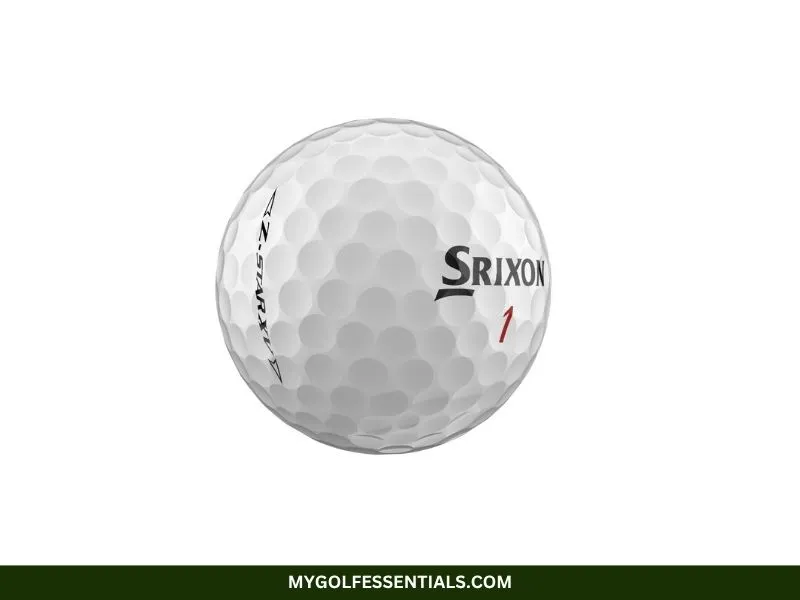
Premium low spin performance doesn’t always demand the highest price. The Z-Star XV delivers genuine tour-level spin reduction at a slightly lower price point than the top-tier options, making it one of the smartest buys on this list.
Key Features:
- FastLayer DG Core for efficient energy transfer at impact
- Spin Skin+ coating for added short-game grip
- 338 speed dimple pattern optimized for distance
- High compression design built for faster swing speeds
Pros:
- Lower price than Titleist and TaylorMade premium alternatives
- Strong distance performance across multiple swing speeds
- Tour-level feel at $40-$44/dozen
Cons:
- Marginally less greenside control than the top-tier urethane options
- High compression rating is not suited for slower swing speeds
Best For: Faster swing speed players who want genuine low spin golf balls at a price that doesn’t hurt as much at checkout.
6. TaylorMade Tour Response Stripe: Best Mid-Price
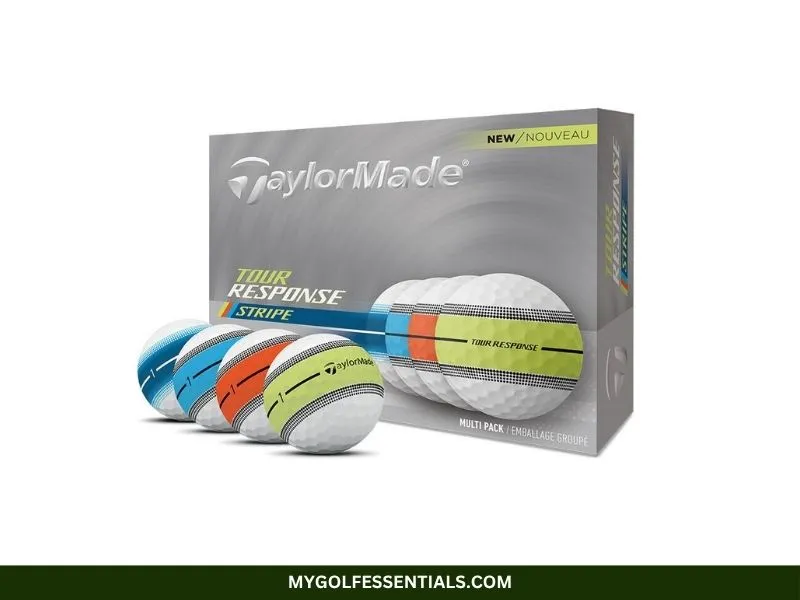
Not every golfer wants to spend $50+ per dozen. The Tour Response Stripe gives mid-handicap players lower driver spin at a price that makes it easier to play a fresh ball every round without guilt.
Key Features:
- 3-piece construction with a Speedmantle layer for distance
- Tour cast urethane cover for short-game performance
- 360-degree clearpath alignment stripe as a bonus feature
- Lower driver spin than most balls in this price range
Pros:
- Excellent value at $28-$32/dozen
- Alignment stripe aids shot setup and putting
- Lower spin than the competition at this price point
Cons:
- Does not match the spin reduction of premium tour-level options
- Moderate greenside control compared to higher-tier urethane balls
Best For: Mid-handicap golfers who want lower driver spin and better distance without the premium price tag attached.
7. Titleist AVX: Best Soft-Feel
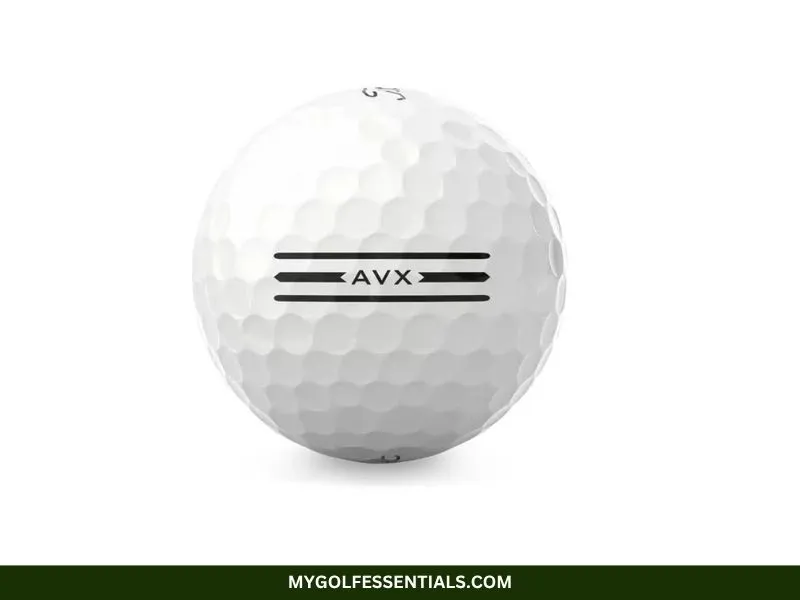
The AVX is Titleist’s answer for golfers who want low spin but cannot stand a firm feel. It flies lower, spins less off the driver, and still feels soft enough to inspire confidence on chips and putts.
Key Features:
- High-speed low compression core for distance at moderate swing speeds
- Thin urethane cover for a soft, responsive feel
- 348 tetrahedral dimple design for a lower, penetrating flight
- Lower trajectory that cuts through wind more effectively
Pros:
- Soft feel combined with genuine low driver spin
- Works well for moderate swing speeds between 90-105 mph
- Lower ball flight performs better in windy conditions
Cons:
- $44-$48/dozen for a premium soft-feel option
- Lower trajectory not ideal for courses that reward high, stopping approach shots
Best For: Moderate swing speed players who want low spin golf balls with a softer, more comfortable feel throughout the round.
How Are Low Spin Golf Balls Built?
The construction inside a golf ball directly controls how much it spins after impact. Here is how each design element separates low spin options from standard golf balls.
- Number of Layers: Fewer layers generally produce less spin. Two-piece balls generate the lowest spin rates across the bag. Five-layer tour balls can be engineered to cut driver spin specifically while preserving short game spin through cover selection.
- Cover Material: Ionomer covers produce lower spin on all shots throughout the round. Urethane covers naturally spin more around the greens, but some urethane low spin balls use firmer inner mantles to suppress driver spin while keeping the cover soft.
- Core Compression: Softer cores compress more easily at impact, which reduces backspin immediately. Firmer cores need more force to compress fully and transfer more energy into spin with every strike.
- Dimple Pattern: Shallow dimples create a flatter, lower-spinning flight off the driver. Deeper dimples increase lift and spin, which helps with stopping power on longer approach shots into greens.
Who Should Use Low-Spin Golf Balls?
Low spin golf balls are not for every golfer. They perform best for specific player profiles.
Players Who Benefit Most:
- Golfers with swing speeds above 95 mph
- Players whose driver spin rate exceeds 3,000 RPM
- Golfers who fight a consistent slice or hook off the tee
- Distance-focused players who want a flatter, longer ball flight
- Competitive players using launch monitors to fine-tune their performance
Players Who Should Avoid Them:
- Golfers with swing speeds below 85 mph
- Players who already struggle to get the ball airborne
- High handicappers who need the extra lift that higher-spinning balls provide
If your ball flight is already low and weak, a low spin ball will make it worse. Slower swingers need the additional lift that higher-spinning balls create to carry the ball properly and generate distance.
How Do You Choose the Right Low-Spin Golf Ball for Your Game?
The right low spin golf ball depends on three factors: your swing speed, your current driver spin rate, and your feel preference. Here is how those factors break down into a clear decision.
Swing Speed
Your swing speed determines how much compression you need to activate the core properly. Use this guide:
| Swing Speed | Best Ball Options |
| 105+ mph | Pro V1x Left Dash, TaylorMade TP5x |
| 95-105 mph | Chrome Tour X, Tour B X, Z-Star XV |
| 85-95 mph | Titleist AVX, Tour Response Stripe |
| Below 85 mph | Avoid pure low-spin models |
Urethane vs. Ionomer Cover: Which Is Better?
Urethane covers generate more short-game spin and give you better control on chips and pitches. Ionomer covers are more durable and cheaper, but they sacrifice greenside feel in the process. For serious golfers, urethane is always the better choice when buying low spin golf balls. Every ball on this list uses a urethane cover for exactly that reason.
Does Feel Matter When Choosing a Low-Spin Ball?
Feel is personal, but it affects your confidence over every shot around the green. Firm balls like the TP5x and Left Dash give sharp, precise feedback at impact. Softer options like the AVX feel gentler on wedge shots and putts. Pick the feel that keeps you confident, because confidence translates directly into better scores.
How Much Do Low-Spin Golf Balls Cost?
Price varies widely across the low spin golf ball market. Here’s a breakdown of what to expect at each tier.
- Premium Tour Balls ($45-$56/dozen): Pro V1x Left Dash, TP5x, Chrome Tour X. Worth every dollar for regular golfers who compete or play weekly.
- Mid-Premium Options ($40-$48/dozen): Z-Star XV, AVX, Tour B X. Strong performance without the highest price tag.
- Value Urethane Options ($28-$35/dozen): Tour Response Stripe. Solid choice for golfers who play occasionally or want to preserve their budget.
The honest answer: premium low spin golf balls are worth the investment if you play at least twice a week and take your game seriously. If you play once or twice a month, the Tour Response Stripe gives you real benefits at a fraction of the cost.
What Is the Difference Between Low Spin and High Spin Golf Balls?
Low spin golf balls go farther and fly straighter off the tee. High spin balls stop faster on greens. That single trade-off defines the entire decision.
Here is how each type actually behaves on the course:
Low Spin Golf Balls
- Flatten the trajectory and create more rollout on landing
- Reduce sidespin, which takes the severity out of slices and hooks
- Produce measurable improvements in fairways hit and total distance for most amateurs
High Spin Golf Balls
- Generate more lift for a towering, high ball flight
- Land at a steeper angle and stop faster on firm greens
- Give tour professionals the control they need to shape shots on demand
For the average golfer, extra spin usually produces bigger misses and shorter drives.
| Factor | Low Spin | High Spin |
| Ball Flight | Flat and penetrating | High and towering |
| Distance | More carry and rollout | Shorter with steeper landing |
| Sidespin | Reduced slice and hook | Amplifies curve on mishits |
| Greenside Stop | Rolls out more | Bites and stops quickly |
| Best For | Amateurs, fast swingers | Skilled players, tour level |
Final Thoughts
Picking the right low spin golf ball transforms your driving distance when matched correctly to your swing. The Pro V1x Left Dash is the clear winner for fast swingers who want the lowest possible driver spin with tour-quality greenside control. The TP5x runs a close second for aggressive players chasing high launch with low spin.
Budget-focused golfers should look seriously at the Z-Star XV or Tour Response Stripe. And if a soft feel matters to you as much as spin reduction, the AVX is your ball. Match your ball to your swing speed and spin rate, and you’ll feel the difference on your very first round.
Key Takeaways
- Low spin golf balls reduce driver backspin, which adds real carry distance for players who generate excess spin
- Golfers with swing speeds above 95 mph benefit most from switching to low spin golf balls
- The Titleist Pro V1x Left Dash is the best overall low spin option available in 2026
- The TaylorMade TP5x performs best for aggressive players with swing speeds above 105 mph
- The Titleist AVX delivers low spin with a softer feel, making it ideal for moderate swing speeds
- The Srixon Z-Star XV offers the strongest value among premium low spin golf balls on the market
- Urethane covers provide significantly better greenside control than ionomer alternatives
- Slow swing speed players should avoid pure low spin models, as they reduce the lift needed for distance
- The ideal driver spin target for most golfers sits between 2,200 and 2,600 RPM
- Always test a sleeve before committing to a full dozen to confirm the ball suits your game
FAQs
Are Low-Spin Golf Balls More Forgiving?
Yes, low-spin golf balls are more forgiving because they rotate less through the air. Less backspin and sidespin means the ball flies straighter and reduces the severity of hooks and slices off the tee.
Do Low-Spin Golf Balls Help With Slicing?
Low spin golf balls can reduce sidespin slightly, which may calm a mild slice off the tee. However, they will not correct a fundamentally flawed swing path or club face angle at impact. If your slice is severe, address the swing first before switching balls. Think of a low spin ball as a performance tool, not a swing fix.
What Is the Lowest Spinning Golf Ball Used on Tour?
The Titleist Pro V1x Left Dash is widely considered one of the lowest spinning tour balls available today. Many PGA Tour players with fast swing speeds use it specifically to reduce driver spin and gain distance. TaylorMade and Callaway offer comparable low spin tour options that also see regular professional use.
Are Low-Spin Golf Balls Good for High Handicappers?
Low spin golf balls are generally not the right choice for high handicappers with slower swing speeds. They reduce the lift that helps slower swingers carry the ball further and land it softly. High handicappers with faster swing speeds may still benefit, so match your ball choice to your speed rather than your handicap number alone.