
You’re not a beginner anymore, and you’re not a scratch golfer yet. You sit right in the middle, and that actually makes choosing a golf ball more important than most players realize.
Best Golf Balls for Mid Handicappers: Top Picks for 2026
 Written byJustin Wilcox, Founder and editorLast updated June 22, 2026
Some links in this review earn us a commission at no cost to you. It never changes what we recommend.

The best golf balls for mid handicappers balance distance, feel, and greenside control without requiring tour-level precision to get real value from them.
This guide covers five top picks for 2026, breaks down exactly what to look for before you buy, and helps you match the right ball to your swing speed and budget.
Let’s get into it.
Quick Comparison Table: Best Golf Balls for Mid Handicappers 2026
| Golf Ball | Price Per Dozen | Compression | Cover | Layers | Best For |
| Titleist Pro V1 | ~$58 | Mid (~87) | Urethane | 3-piece | All-around performance |
| Callaway Chrome Soft | ~$47 – $56 | Low-Mid (~75) | Urethane | 3-piece | Soft feel, moderate speed |
| TaylorMade Tour Response | ~$42.99 – $45.99 | Low-Mid (~70) | Urethane | 3-piece | Budget urethane value |
| Srixon Q-Star Tour | ~$35.99 to $39.99 | Mid (~72) | Urethane | 3-piece | Best value pick |
| Bridgestone Tour B RXS | ~$49 | Low (~60) | Urethane | 3-piece | Moderate swing speeds |
The 5 Best Golf Balls for Mid Handicappers in 2026
Every ball on this list uses a urethane cover. Urethane grips your grooves far better on wedge and iron shots than cheaper surlyn covers. You get more friction, more greenside spin, and better stopping power on approach shots.
1. Titleist Pro V1 – Best Overall
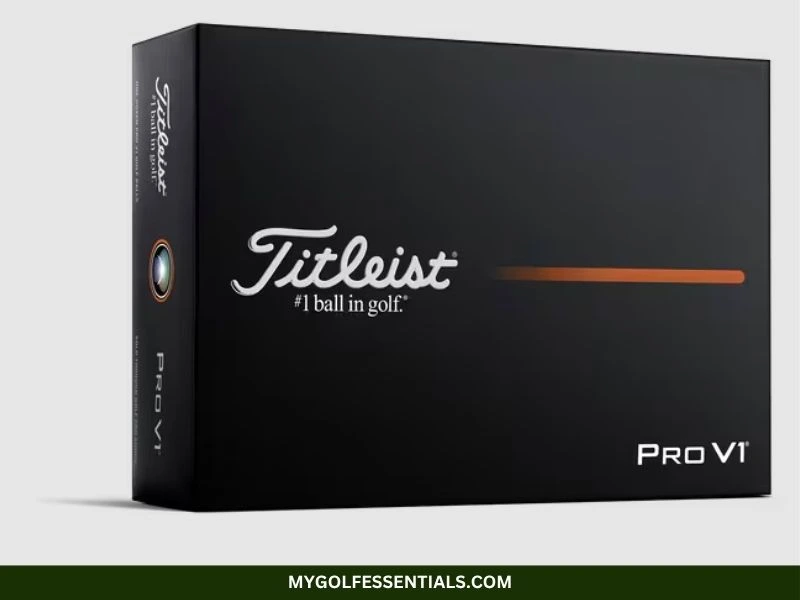
Price Range: ~$58.00/dozen
The Titleist Pro V1 is the benchmark ball for mid handicappers, and the 2026 version keeps that standard firmly intact.
It delivers a penetrating tee shot, consistent iron distances, and a soft urethane cover that creates real stopping power on approach shots. Swing speeds between 85 and 105 mph get the most out of this 3-piece construction.
Key Features:
- 3-piece construction delivers consistent distance and controlled ball flight
- Soft urethane cover generates greenside spin and excellent short game feel
- Mid-compression core (approximately 87) suits swing speeds from 85 to 105 mph
- 388 tetrahedral dimple pattern produces a penetrating and aerodynamically stable flight
Pros:
- Outstanding greenside spin and short game feel on chip and pitch shots
- Consistent distance and accuracy across all clubs in the bag
- Low long game spin off the driver reduces side spin slightly
- Tour-proven performance trusted at the highest level of the game
Cons:
- Premium pricing makes lost balls more costly than value alternatives
- Less effective for swing speeds consistently below 85 mph
Best For: Mid handicappers who want the most complete tour-level performance package and value short game feel above cost savings.
2. Callaway Chrome Soft – Best for Soft Feel
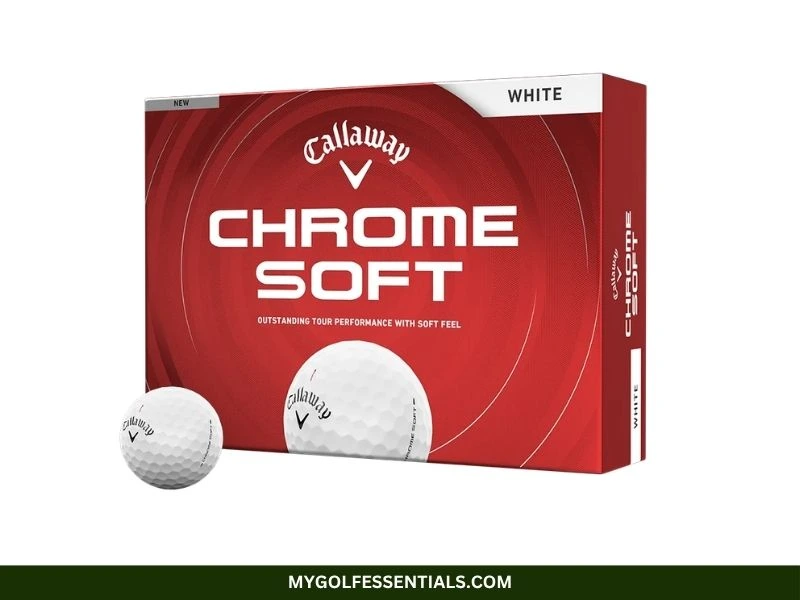
Price Range: ~$47 – $56/dozen
The Callaway Chrome Soft is the softest option on this list and suits mid handicappers with moderate swing speeds very well.
Its 3-piece construction separates low driver spin from high greenside spin, so you don’t give up distance to get touch around the greens. Players swinging between 75 and 100 mph consistently get the best out of this design.
Key Features:
- 3-piece construction separates low driver spin from high greenside spin effectively
- Dual SoftFast Core produces a soft feel and reduces unwanted driver side spin
- Low-to-mid compression (approximately 75) fits swing speeds between 75 and 100 mph
- Available in the Chrome Soft X version for players who prefer a firmer, faster feel
Pros:
- Among the softest-feeling balls available at this price level
- Excellent chip shot control and greenside responsiveness
- Works well for players with moderate swing speeds who want distance and feel together
- Available in multiple colors including Truvis patterns for better ball tracking
Cons:
- Feels too soft for players swinging above 105 mph on a consistent basis
- Urethane cover can scuff faster on mishit wedge shots compared to firmer options
Best For: Mid handicappers with moderate swing speeds who want maximum softness and strong short game responsiveness above everything else.
3. TaylorMade Tour Response – Best Mid-Range Value
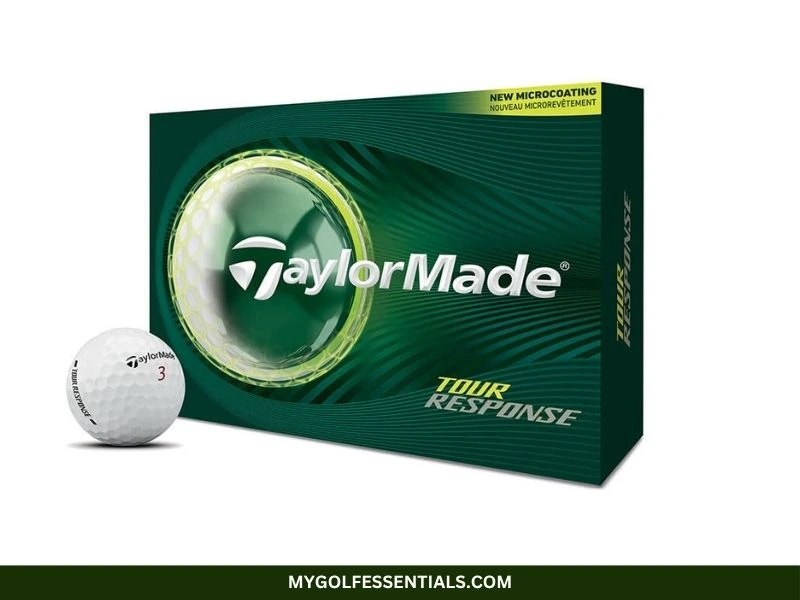
Price Range: ~$42.99 – $45.99/dozen
The TaylorMade Tour Response punches well above its price tag with a 100% cast urethane cover that delivers genuine tour-like feel and short game spin.
The SpeedMantle layer boosts ball speed across the face so you don’t sacrifice distance while saving money. It’s one of the strongest value propositions among the best golf balls for mid handicappers in 2026.
Key Features:
- 3-piece construction with 100% cast urethane cover for authentic tour-level feel
- SpeedMantle layer boosts ball speed across the full face area
- Low compression core creates a soft, responsive feel at a wide range of swing speeds
- Designed specifically as a tour performance ball at a more accessible price point
Pros:
- Urethane cover performance at a significantly lower price than premium alternatives
- Soft, responsive feel off the putter and irons builds short game confidence
- Good greenside spin for its price category
- Performs consistently for a wide range of mid handicap swing speeds
Cons:
- Small distance gap behind premium tour balls at the same swing speed
- Not quite as spin-consistent from rough lies as the top-tier options above
Best For: Mid handicappers who want real urethane feel and genuine short game control without paying premium prices every round.
4. Srixon Q-Star Tour – Best Budget Pick
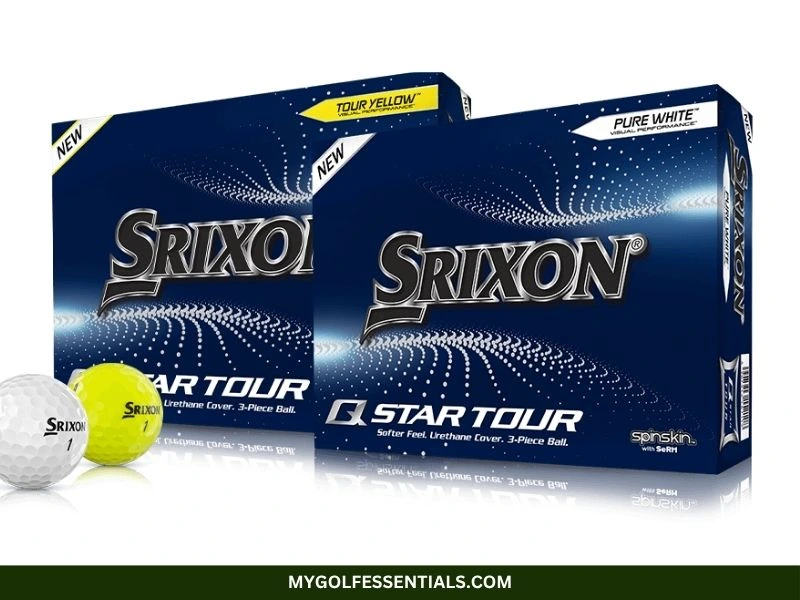
Price Range: ~$35.99 to $39.99/dozen
The Srixon Q-Star Tour is the most underrated pick on this list and one of the best-kept secrets in the mid handicap golf ball market.
A FastLayer Core optimizes ball speed while the cast urethane cover delivers real greenside spin at the lowest price point here. Don’t let the price fool you, this ball genuinely performs.
Key Features:
- FastLayer Core transitions from soft center to firm edges to optimize ball speed
- 3-piece construction with cast urethane cover for legitimate short game performance
- 338-speed dimple pattern improves aerodynamics and wind resistance during flight
- Mid compression works across a broad range of mid handicap swing speeds
Pros:
- Strong value with genuine urethane cover quality at the lowest price on this list
- Consistent ball flight and reliable distance from tee to green
- Solid greenside spin control for a ball in this price range
- Durable construction holds up well over multiple rounds of play
Cons:
- Greenside spin sits slightly below what premium tour options deliver
- Less recognizable brand name may not appeal to all golfers
Best For: Mid handicappers who want a urethane-covered ball at the lowest possible price without sacrificing real performance on and around the greens.
5. Bridgestone Tour B RXS – Best for Moderate Swing Speeds
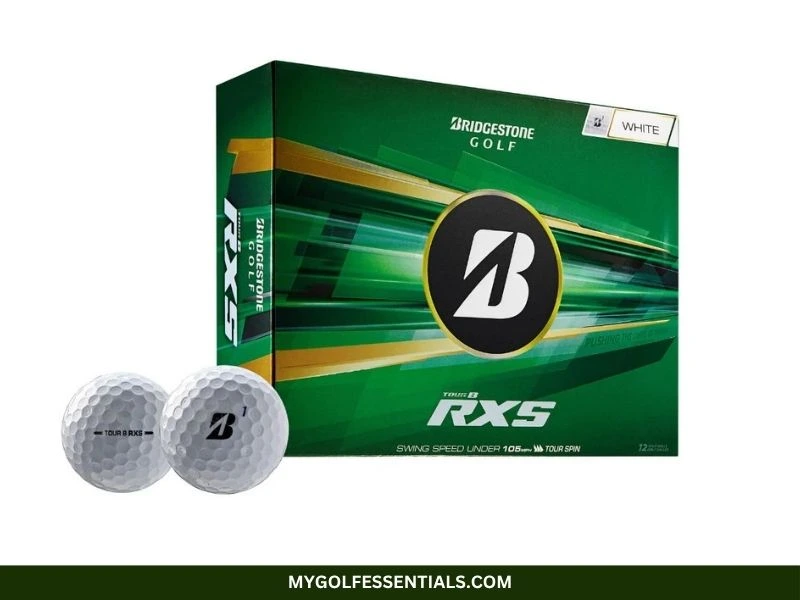
Price Range: ~$44.99 to $49.99/dozen
The Bridgestone Tour B RXS targets mid handicappers with moderate swing speeds and a strong preference for feel.
Its REACTIV urethane cover adjusts firmness based on impact force, staying soft for short game shots and firming up for better energy transfer off the driver. Players swinging between 80 and 100 mph benefit most from this smart construction.
Key Features:
- REACTIV urethane cover responds differently to low and high-force impact conditions
- Soft, low-compression core maximizes feel and feedback at moderate swing speeds
- 3-piece construction balances distance off the tee with greenside control and touch
- Gradational compression technology improves energy transfer at all impact levels
Pros:
- Outstanding feel and feedback on short game shots around the green
- Extremely soft off the putter, which directly builds putting confidence
- Suits swing speeds between 80 and 100 mph with impressive effectiveness
- REACTIV cover adapts intelligently across all different shot types in your bag
Cons:
- Less effective for players who swing consistently above 105 mph
- Premium price targets moderate swing speeds rather than faster swingers
Best For: Mid handicappers with swing speeds between 80 and 100 mph who want the most feel-focused and responsive ball on and around the greens.
How to Choose the Right Golf Ball
Six factors determine which ball actually suits your game. Work through each one before committing to a dozen, and you’ll avoid the most common buying mistakes mid handicappers make.
1. Swing Speed
Your swing speed is the single most important variable before anything else. Most golf retailers measure it on a launch monitor in just a few minutes.
Mid handicappers typically swing between 85 and 100 mph. Confirm your number first and let it guide every decision that follows.
2. Compression
Compression describes how much the ball deforms against the clubface at impact.
Low-compression balls in the 50 to 70 range suit swing speeds below 85 mph. Mid-compression options between 70 and 90 match the majority of mid handicappers. High-compression balls above 90 need swing speeds above 100 mph to fire correctly. A mismatch costs you distance and feel at the same time.
3. Cover Material
Urethane covers outperform surlyn covers for short game spin and greenside control at the mid handicap level.
Urethane generates more friction with your grooves on wedge and iron shots. That extra friction produces more stopping power on approach shots into greens. Every ball on this list uses urethane for exactly that reason.
4. Feel
Feel is personal, but it directly affects your short game confidence. A ball that feels good off the putter encourages a more committed, consistent stroke.
Try a sleeve of two or three different options before committing to a full box. Most manufacturers sell single-sleeve packs specifically for this kind of testing.
5. Distance vs. Control
Modern golf balls deliver both distance and control, so you don’t need to sacrifice one for the other. That said, lean toward your weakest area. If you lose strokes around the greens, choose a softer, higher-spin option like the Chrome Soft or Tour B RXS. If wayward drives cost you the most, go with a mid-compression, lower-spin ball like the Pro V1 or Q-Star Tour.
Price
Quality urethane-covered golf balls range from roughly $30 to $55 per dozen. The Srixon Q-Star Tour gives you genuine urethane performance near the bottom of that range.
The Titleist Pro V1 sits at the top but delivers the most consistent all-around performance. Set your budget before you shop so you choose based on fit, not impulse.
Premium vs. Value Golf Balls: What’s the Real Difference?
Premium balls like the Titleist Pro V1 and Callaway Chrome Soft use multi-layer construction and tighter manufacturing tolerances throughout. They deliver the most consistent spin separation between driver performance and greenside performance. You pay for years of research, premium materials, and incredibly precise manufacturing standards.
Value options like the TaylorMade Tour Response and Srixon Q-Star Tour close that gap meaningfully. They use the same urethane cover material and three-piece construction. The performance difference between premium and value shows up in fine details like shot-to-shot spin consistency and durability over many rounds, not dramatic on-course performance gaps.
For most mid handicappers, value urethane balls deliver roughly 80 to 90 percent of premium performance at 60 to 70 percent of the cost. That trade-off makes strong financial sense for any golfer who doesn’t compete at a high level.
Final Verdict
The best golf balls for mid handicappers in 2026 serve different players for genuinely different reasons. No single ball suits every swing speed, budget, and playing style equally well.
Choose the Titleist Pro V1 for the most complete all-around performance. Pick the Callaway Chrome Soft if you swing at moderate speeds and want maximum softness. Go with the TaylorMade Tour Response for urethane performance on a tighter budget.
Grab the Srixon Q-Star Tour for the best value urethane option at the lowest price. Consider the Bridgestone Tour B RXS if you swing between 80 and 100 mph and want the most feel-focused option available.
Commit to one ball for a full season rather than constantly switching. Consistent ball selection builds feel, trust, and better scoring habits over time.
Key Takeaways
- Mid handicappers benefit most from urethane-covered, mid-compression golf balls matched to their swing speed.
- The Titleist Pro V1 remains the best all-around option for mid handicappers seeking tour-level performance in 2026.
- Swing speeds between 85 and 100 mph match best with mid-compression balls in the 70 to 90 range.
- You don’t need to spend $55 a dozen to get real urethane cover performance at the mid handicap level.
- Softer, lower-compression balls suit moderate swing speeds and players who prioritize feel over raw distance.
- Smart cover technology like REACTIV urethane adjusts to impact force for better performance across all shot types.
- Urethane covers outperform surlyn for greenside spin and short game control at every mid handicap price point.
- Matching compression to your swing speed improves distance and feel more than switching brands ever will.
- Sticking with one ball for a full season builds feel, trust, and lower scores more than constantly switching does.
- Value urethane balls deliver 80 to 90 percent of premium performance at 60 to 70 percent of the cost.
FAQs
What Golf Ball Should a 15 Handicap Play?
A 15 handicap plays best with a mid-compression, urethane-covered ball like the Titleist Pro V1 or TaylorMade Tour Response. These options balance tee-shot distance with real greenside control.
What Compression Golf Ball Works Best for Mid Handicappers?
Mid-compression balls between 70 and 90 work best for most mid handicappers. Players swinging between 85 and 100 mph generate enough speed to compress these balls properly at impact.
Does the Golf Ball Actually Make a Difference for Mid Handicappers?
Yes, ball selection makes a measurable and real difference at the mid handicap level. Mid handicappers see more improvement from proper ball fitting than beginners do because their swings are consistent enough to register the performance differences.
What Is the Best Golf Ball for a Mid Handicapper Who Slices?
A lower-compression, softer ball reduces driver side spin slightly and can help moderate a slice. The Callaway Chrome Soft and Bridgestone Tour B RXS both produce lower spin rates off the driver for moderate swing speeds. However, fixing a slice requires swing correction more than any equipment change. A lower-spin ball helps reduce severity but doesn’t eliminate the root cause.