
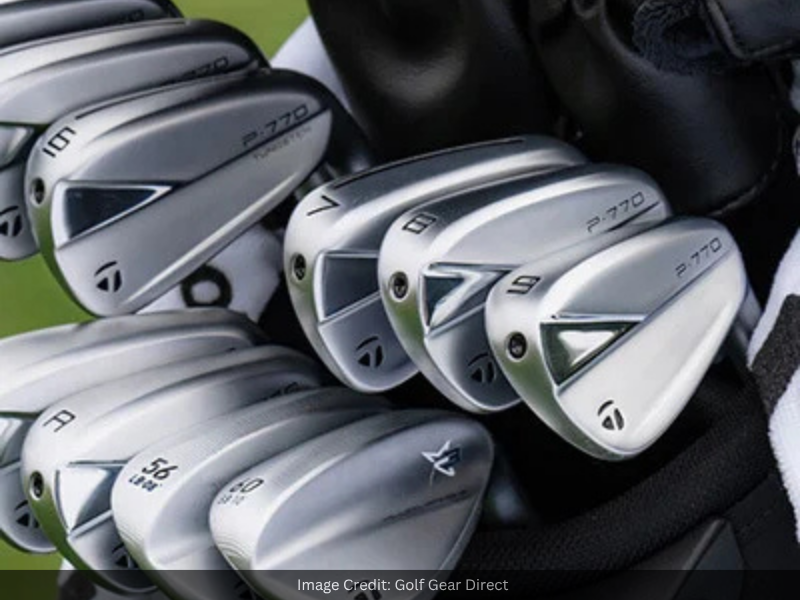
One of the most fundamental rules in golf involves a simple question: how many clubs are allowed in a golf bag? The answer is fourteen, but understanding this regulation goes far deeper than just the number itself. Golfers worldwide must comply with how many clubs are allowed in a golf bag when competing in official tournaments or following USGA standards. This limit shapes everything from club selection strategies to tournament preparation, making it essential knowledge for anyone taking the sport seriously.
The 14-club rule has governed professional and amateur golf for decades. Every serious golfer, whether competing at the highest levels or enjoying casual weekend rounds, needs to know how many clubs are allowed in a golf bag to avoid penalties. This regulation creates the framework for fair competition and strategic gameplay that keeps golf interesting and balanced.
Golfers who understand this rule gain significant advantages in their game. They learn to make intentional club selections that match their playing style. They avoid costly mistakes during tournaments. This guide explores everything beginners and experienced players need to know about golf bag regulations and strategic club organization.
Understanding the 14-Club Limit
The USGA (United States Golf Association) and the R&A (Royal and Ancient Golf Club) enforce a maximum of fourteen clubs in any player’s golf bag during official play. This regulation applies universally across professional tournaments, amateur competitions, and organized club play. Players cannot exceed this limit without facing significant penalties that impact scoring and tournament status.
The question of how many clubs are allowed in a golf bag represents one of golf’s most straightforward yet consequential rules. Fourteen clubs have become the standard allowance for nearly every sanctioned golf competition worldwide. This number provides golfers with enough versatility to handle virtually any situation on the course.
Understanding this limit empowers golfers to make strategic decisions. Players must choose their fourteen clubs carefully based on course conditions, their skill levels, and personal preferences. This constraint transforms club selection into an art form, separating casual players from serious competitors.
The History Behind How Many Clubs Are Allowed in a Golf Bag
Golf evolved without strict club limitations for most of its history. Early golfers carried as many implements as they wished, leading to competitive imbalances. Wealthy players could accumulate dozens of specialized clubs, while average golfers struggled with limited equipment.
The modern restriction emerged gradually throughout the twentieth century. Golf organizations recognized that unlimited clubs created unfair advantages. Tournament officials decided that establishing a ceiling on how many clubs are allowed in a golf bag would level the playing field. The 14-club rule became official in 1938 and has remained unchanged for over eighty years.
This decision reflected broader golf philosophy: the game should test skill, strategy, and judgment rather than equipment quantity. By limiting how many clubs are allowed in a golf bag, the sport maintained its fundamental character. Players must master their tools rather than simply adding more options.
The rule’s stability demonstrates its effectiveness. Unlike other sports that constantly modify regulations, golf’s club limit has stood the test of time. This consistency allows golfers to develop consistent strategies and build experience-based knowledge about how many clubs are allowed in a golf bag during competitive play.
The Official 14-Club Rule Explained
Every player in organized golf must comply with the same club restriction: how many clubs are allowed in a golf bag never exceeds fourteen. This maximum applies equally to professionals, amateurs, juniors, and seniors. There is no minimum club requirement, meaning golfers can carry fewer than fourteen if desired.
Golf’s ruling bodies define “clubs” clearly and specifically. The USGA considers a club to be any implement designed to strike a ball. This includes drivers, fairway woods, irons, wedges, hybrids, and putters. Each individual club counts toward the total of how many clubs are allowed in a golf bag.
The rule creates interesting strategic opportunities. Golfers must decide whether they want maximum club diversity or prefer leaving slots open for specialty clubs. Some players eliminate long irons in favor of hybrid clubs. Others sacrifice wedge variety to carry multiple woods. These decisions reflect personal playing styles and course requirements.
Tournament officials verify club counts before play begins. Players must declare their club selections, and officials inspect golf bags to ensure compliance. This scrutiny prevents cheating and maintains the rule’s integrity throughout competitions.
How Many Clubs Are Allowed in a Golf Bag?
The answer remains straightforward: how many clubs are allowed in a golf bag is a maximum of fourteen. Players may carry fewer, but never more. Exceeding this limit incurs penalties that can eliminate chances of tournament success.
This limitation applies universally across all levels of sanctioned golf. Casual club play, professional tournaments, amateur championships, and junior competitions all enforce the same fourteen-club ceiling. Understanding how many clubs are allowed in a golf bag ensures golfers can compete confidently wherever they play.
Golf’s elegance partly stems from this constraint. Players cannot simply add more options; instead, they must master strategic decision-making. Every club selection matters because each slot represents a choice with consequences throughout the round.
Does a Putter Count as One of the 14 Clubs?
Yes, a putter definitely counts as one of the fourteen clubs allowed in a golf bag. Many beginning golfers question whether putters receive special treatment, but the rules clearly include them in the total count. A golfer cannot carry fourteen additional clubs plus an extra putter beyond the limit.
This rule applies consistently across all competitions. Tournament officials count putters like any other club. Players must account for their putter when planning their complete fourteen-club setup. Some golfers might wonder if carrying multiple putters is acceptable, but the answer involves the same counting principle: all putters combine toward the fourteen-club maximum.
Experienced golfers leverage this knowledge strategically. They select their putter carefully since it occupies one valuable slot. Many players carry only one putter but invest significant time finding the perfect match. This approach allocates club resources more efficiently.
Putter Selection Strategy
Golfers must balance putter needs against other club requirements. A skilled player might sacrifice an extra wedge to carry their preferred putter confidently. The putter’s importance justifies dedicating one full club slot to this essential implement.
Different putting styles affect club selection. Players who struggle with long-distance putting might prioritize consistent short-distance execution. Conversely, confident long-putters might focus club selections on approach shots. Either way, the putter counts fully toward how many clubs are allowed in a golf bag.
Penalties for Exceeding the Club Limit
Carrying more than fourteen clubs produces serious consequences in tournament play. Golf’s penalty structure addresses this violation clearly and consistently. Violating how many clubs are allowed in a golf bag rules brings automatic sanctions that typically far outweigh any competitive advantages gained.
Competition Penalties
Professional tournaments impose severe penalties for club violations. A player discovered with 15 clubs faces a two-stroke penalty in most competitions. Some professional events impose additional penalties, including potential disqualification depending on when officials discover the violation.
Amateur competitions apply similar penalties through the USGA’s governing standards. Clubs must be declared before play begins, allowing officials to prevent violations upfront. If violations occur during play, administrators apply immediate penalties to protect competition integrity.
Rule Enforcement Procedures
Tournament officials typically discover violations before rounds begin. Players must provide club lists during registration, and officials inspect golf bags accordingly. This preventive approach minimizes mid-round complications. When violations escape initial detection, officials address them immediately upon discovery, applying penalties and documenting incidents.
How to Organize a Golf Bag with 14 Clubs?
Strategic club organization significantly impacts playing performance. Proper arrangement affects shot selection speed, club accessibility, and overall round rhythm. Golfers benefit substantially from thinking intentionally about how to organize a golf bag with 14 clubs effectively.
Optimal Club Arrangement
Smart golfers organize clubs logically within their bags. They place drivers and woods in accessible positions near the top. Long irons and hybrids occupy middle slots. Mid-range irons follow in descending order. Wedges and putters position themselves based on accessibility preference and frequency of use.
This arrangement recognizes usage patterns throughout a typical round. Players retrieve their driver frequently early in holes. They access mid-range clubs during approach shots. Wedges and putters become critical during scoring zones. Logical ordering eliminates fumbling through clubs during crucial moments.
Organization Tips for Maximum Efficiency
Golfers must consider their individual playing styles when organizing clubs. Right-handed and left-handed players use opposite side positions. Divider bags offer dedicated slots, streamlining club management. Stand bags facilitate rapid club placement during rounds.
Weight distribution matters significantly during long rounds. Placing heavier woods at bag bottoms creates better balance. This arrangement reduces fatigue and improves consistency throughout eighteen holes. Players notice improved performance when equipment feels comfortable and stable.
Weather protection influences organization strategy too. Placing expensive woods in protected bag positions minimizes rain damage. Keeping grips in dedicated areas prevents deterioration. Smart organization preserves club condition and extends equipment lifespan.
Club Selection Within the Limit
Deciding how to organize a golf bag with 14 clubs requires understanding personal strengths and course requirements. Many golfers carry three woods, six irons, three wedges, and one putter. Others prefer five irons, four wedges, and two hybrids. These variations illustrate the flexibility within how many clubs are allowed in a golf bag regulations.
Types of Clubs Included in the 14-Club Allowance
Every club type counts equally toward the fourteen-club maximum. Understanding club categories helps golfers make informed organizational decisions about how many clubs are allowed in a golf bag scenarios.
| Club Type | Typical Quantity | Primary Purpose | Distance Range |
| Driver (Woods) | 1-2 | Tee shots, distance | 200-280 yards |
| Fairway Woods | 1-2 | Distance from fairway | 150-220 yards |
| Hybrids | 1-2 | Versatile play, long approach | 140-200 yards |
| Long Irons | 0-2 | Utility, long approach | 160-190 yards |
| Mid Irons | 2-3 | Primary approach shots | 120-160 yards |
| Short Irons | 1-2 | Short approach, control | 100-130 yards |
| Wedges | 3-4 | Scoring zone, precision | 80-120 yards |
| Putter | 1 | Green play exclusively | 3-50 feet |
This breakdown shows the variety available within how many clubs are allowed in a golf bag limitations. Each category serves specific purposes, and golfers allocate slots according to their needs and playing styles.
Professional Tournament Rules vs. Casual Play
Understanding how the 14-club rule applies across different contexts strengthens a golfer’s overall knowledge. Professional tournaments enforce club regulations strictly and consistently. Casual recreational play operates under more flexible standards depending on local club policies. This distinction matters significantly for golfers who compete at various levels.
The PGA Tour, LPGA, and other professional circuits follow USGA regulations precisely. Players must comply with how many clubs are allowed in a golf bag rules without exception. Officials inspect clubs before play and enforce penalties immediately upon discovery of violations. This rigorous oversight protects competition integrity and maintains fair playing conditions.
Amateur tournaments sanctioned by the USGA apply identical standards to professional events. Club limits remain at fourteen regardless of skill level, age, or competition tier. Understanding how many clubs are allowed in a golf bag ensures consistency across all competitive environments worldwide.
USGA Standards and Enforcement
The USGA publishes detailed rules addressing club specifications and quantity limits. Tournament committees derive authority from USGA rules and apply them consistently. Club inspections occur before rounds commence, preventing most violations from occurring during play. Players who fail inspections cannot start their rounds until they comply with regulations.
Casual Club Play Variations
Many recreational golfers enjoy rounds without strict rule enforcement. Local clubs often establish their own policies regarding club quantity. Some courses permit lenient standards for casual play. Understanding how many clubs are allowed in a golf bag helps golfers respect local conventions and enjoy their rounds properly.
Advanced Club Selection Strategies
Experienced golfers approach club selection strategically. They recognize that fourteen slots provide opportunities for customization based on specific needs. Different courses, weather conditions, and personal strengths inform optimal club combinations.
Course-Specific Selections
Golfers competing on parkland courses might prioritize diverse club options. These layouts demand versatility across various shot types and distances. Understanding how many clubs are allowed in a golf bag helps players maximize their options on championship-length courses. Links courses present different challenges requiring adjusted club selections for windy conditions and rolling terrain.
Weather Considerations
Weather patterns influence club selection strategy significantly. Hot, dry conditions support carrying multiple woods and irons. Cool, wet weather might justify additional wedges for precision approaches. Golfers competing in varying climates adjust selections accordingly within how many clubs are allowed in a golf bag parameters.
Wind presents another major consideration. Strong winds favor certain club profiles and trajectories. Experienced competitors adjust club selections based on weather forecasts and seasonal patterns. They understand that maximizing their fourteen-club allowance requires anticipating conditions they’ll face.
Personal Skill Development
Beginners often benefit from complete, versatile club sets. Having maximum options reduces stress and builds confidence. As skill improves, golfers develop preferences for specific clubs and may eliminate redundant options. Advanced players frequently carry specialty clubs suited to their strengths within how many clubs are allowed in a golf bag constraints.
Common Mistakes About Club Quantity
Many golfers misunderstand rules surrounding how many clubs are allowed in a golf bag. These misconceptions can lead to confusion or penalties during important competitions.
Putter Misconceptions
The most common mistake involves putter counting. Beginners frequently question whether putters count toward the fourteen-club limit. Rules clearly establish that all putters count fully. Understanding this prevents costly mistakes during tournaments and clarifies how many clubs are allowed in a golf bag.
Club Definition Confusion
Another frequent misunderstanding involves what counts as a “club.” Golf organizations define clubs specifically as implements designed to strike a ball. Putters clearly qualify. Drivers, woods, irons, hybrids, and wedges all count fully. Sand rakes and ball markers do not count toward how many clubs are allowed in a golf bag totals.
Replacement Misconceptions
Some golfers believe they can replace broken clubs during rounds without counting toward the limit. USGA rules address this specifically. Replacement clubs count fully toward the fourteen-club maximum. Players cannot add clubs that would exceed the limit even if replacing damaged implements.
Global Standards and Regional Play
While USGA standards dominate American golf, the R&A controls rules in most countries outside the United States. Both organizations enforce identical club quantity regulations regarding how many clubs are allowed in a golf bag.
Worldwide Standardization
The R&A and USGA maintain consistent standards across their jurisdictions. Traveling golfers face identical expectations everywhere. A player competing in Europe, Asia, or the Americas encounters the same fourteen-club limit. This standardization reflects golf’s global commitment to fair play and equal competition opportunities.
International professional tours follow identical regulations. The European Tour, Asian Tour, and other circuits all enforce how many clubs are allowed in a golf bag rules consistently. Professional golfers understand that club quantity restrictions apply universally. This standardization simplified professional golf’s expansion into global markets significantly.
Club Specifications Beyond Quantity
Golf organizations regulate club specifications beyond quantity limits. Clubheads cannot exceed certain size dimensions. Shaft flexibility and material standards apply universally. Groove patterns on iron clubfaces remain regulated. These specifications protect the game’s balance alongside quantity restrictions regarding how many clubs are allowed in a golf bag allowances.
Building Your Ideal Club Setup
Golfers benefit from thoughtful approaches to constructing their fourteen-club combinations. Understanding how many clubs are allowed in a golf bag permits strategic customization based on individual needs.
Complete Set Foundation
Most golfers begin with traditional fourteen-club complete sets. These typically include one driver, three woods, six irons, three wedges, and one putter. This balanced approach provides coverage across all distances and shot types. Complete sets work well for golfers seeking simplicity regarding how many clubs are allowed in a golf bag selections.
Customized Approach
Experienced golfers frequently modify standard setups. Some eliminate long irons in favor of hybrid clubs for increased forgiveness. Others sacrifice fairway woods to carry additional wedges for short-game precision. These customizations optimize individual strengths within how many clubs are allowed in a golf bag constraints effectively.
The 14-Club Limit’s Impact on Equipment Industry
Golf manufacturers navigate unique challenges created by the fourteen-club regulation. Understanding how many clubs are allowed in a golf bag influences equipment design, marketing, and sales strategies throughout the industry significantly.
Market Implications
Manufacturers cannot simply encourage golfers to purchase unlimited equipment. The fourteen-club maximum creates ceiling markets for irons, wedges, and other club categories. This reality shapes product development priorities. Companies invest heavily in innovation targeting specific slots where golfers allocate their limited club inventory within how many clubs are allowed in a golf bag parameters.
Technology Development
Equipment manufacturers focus on maximizing performance within individual club categories. Driver technology has advanced tremendously because distance off the tee commands high value. Wedge designs continue evolving as golfers prioritize short-game performance. Putter innovation remains constant because this single club profoundly affects scoring consistently.
Junior Golf and the 14-Club Rule
Youth golf programs introduce young players to equipment regulations early. Teaching juniors about how many clubs are allowed in a golf bag builds proper foundation knowledge for lifelong participation.
Junior Tournament Standards
Junior tournaments enforce fourteen-club limits identically to adult competitions. Young golfers must learn equipment regulations before competing seriously. This early education prevents future misunderstandings or rule violations during important competitions. Junior players who understand these rules gain organizational advantages over peers lacking this knowledge early.
Development and Transition
Junior club sets often contain fourteen clubs arranged appropriately for younger players. Shorter shafts and lighter clubs suit developing golfers’ physical capabilities. Understanding how many clubs are allowed in a golf bag helps junior golfers make informed choices about their equipment as they mature progressively. This knowledge becomes increasingly important as they advance into competitive amateur golf circuits.
Final Thoughts
The 14-club rule fundamentally shapes how golfers approach competition and equipment selection. Understanding how many clubs are allowed in a golf bag extends beyond simply knowing the number. This regulation applies universally across professional tournaments, amateur championships, and junior competitions worldwide.
Established in 1938, the rule emphasizes that golf rewards skill and strategy over equipment quantity. The penalty for exceeding the limit is a two-stroke penalty in tournament play. Strategic club organization impacts performance throughout eighteen holes significantly. Golfers benefit from customizing their setups based on personal strengths and course conditions.
The rule empowers players at every skill level to develop personalized approaches. Equipment manufacturers navigate unique market constraints created by this limitation. Finally, understanding how many clubs are allowed in a golf bag enables competitive success and appreciation for golf’s strategic complexity across all levels.
Key Takeaways
- The 14-club limit applies universally across all competitive golf levels globally.
- Golfers can carry fewer than 14 clubs based on strategic needs.
- Exceeding the limit results in two-stroke penalties in tournament play.
- USGA defines clubs as all implements designed to strike golf balls.
- Putters count as one of the fourteen allowed clubs in your bag.
- Strategic club organization significantly impacts performance throughout eighteen-hole golf rounds.
- The 1938 rule reflected golf philosophy that skill supersedes equipment quantity.
- High handicappers should prioritize forgiveness and ease of use for clubs.
- Equipment manufacturers face unique market constraints due to the 14-club regulation.
- Junior golf programs introduce young players to equipment regulations early and effectively.
FAQs
Do I Really Need 14 Clubs?
No. Fourteen is the maximum allowance, not a requirement. Golfers can carry fewer clubs based on personal preferences and course conditions. Many competitive golfers successfully play with twelve or thirteen clubs. Strategic selection matters more than reaching the maximum limit always.
Why Is Golf Limited to 14 Clubs?
Established in 1938, the 14-club rule ensures fair competition by emphasizing skill over equipment quantity. The restriction prevents wealthy players from gaining advantages through extensive club collections. This maintains golf’s fundamental character and promotes strategic decision-making above equipment wealth.
Can You Carry Two Putters in Your Bag?
Yes, but both count toward your 14-club maximum. Carrying two putters uses two valuable slots, leaving only twelve for other clubs. Most golfers carry one putter since it’s the most crucial club for scoring. Dedicating two slots significantly reduces strategic versatility across your setup.
What Is the Penalty for Too Many Clubs in Your Bag?
Players discovered with more than 14 clubs face a two-stroke penalty in tournament play under USGA rules. Some professional events impose additional penalties or potential disqualification. Tournament officials typically inspect bags before rounds to prevent violations during play completely.
What 14 Clubs Should a High Handicapper Carry?
Prioritize forgiveness and ease of use. Typical setup: one driver, two hybrids, six game-improvement irons, three wedges (pitching, sand, lob), and one putter. Replace difficult long irons with forgiving hybrids. Focus on clubs matching your swing speed and consistency instead of complex combinations.