Skip to content
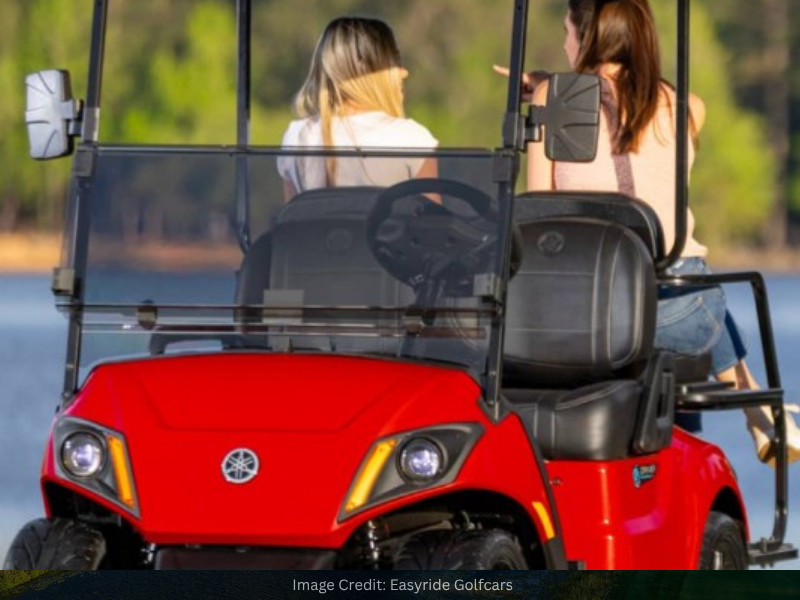
Golf carts have become much more than vehicles used on golf courses. Today, they serve communities, resorts, large properties, sports facilities, and commercial environments. Among the leading manufacturers in the industry, Yamaha has built a strong reputation for delivering reliable and innovative transportation solutions. The Yamaha Golf Cart continues to attract buyers because of its proven durability, smooth ride quality, and advanced engineering.
For decades, the Yamaha Golf Cart has remained a preferred choice for both personal and commercial users. Its reputation comes from a consistent focus on performance, comfort, and long-term value. Whether operating on a golf course or traveling through a residential community, the Yamaha Golf Cart delivers dependable performance in a variety of conditions.
This review explores the features, technology, quality, and performance that have helped Yamaha maintain its position in the golf cart market. Buyers considering a Yamaha Golf Cart can use this guide to better understand what makes the brand unique and whether it offers the right combination of features and value.
What Makes Yamaha Golf Carts Different?
Yes, Yamaha golf carts are different because Yamaha develops many of its core technologies internally, allowing greater control over quality, performance, and reliability.
Many manufacturers rely on third-party systems for critical components. Yamaha follows a different path. The company designs and engineers many important systems specifically for its golf carts. This strategy allows engineers to optimize every component for performance and durability.
One of the most significant innovations is the Ultramatic V-belt transmission system. Unlike traditional clutch-based systems, this design eliminates clutch wear while providing smooth and consistent acceleration. Drivers experience seamless power delivery without sudden shifts or jerky movements.
Another standout feature is Yamaha’s Quietech Electronic Fuel Injection (EFI) technology. This engine system reduces operating noise while improving fuel efficiency. Golf courses, gated communities, and resorts often appreciate the quieter operation because it creates a more enjoyable environment.
Environmental considerations also play a role in Yamaha’s engineering approach. Modern Yamaha golf carts focus on reducing emissions while maximizing fuel economy. This commitment helps owners lower operating costs while reducing environmental impact.
The company also prioritizes ride comfort. Independent rear suspension systems help absorb bumps and uneven terrain more effectively than many conventional suspension designs. As a result, passengers enjoy a smoother ride across different surfaces.
Yamaha’s Signature Technology Advantages
The following technologies contribute significantly to Yamaha’s strong reputation:
- Ultramatic V-belt transmission delivers smooth acceleration without clutch maintenance.
- Independent rear suspension improves comfort and stability on uneven terrain.
- Quietech EFI engine technology reduces noise and increases fuel efficiency.
- Corrosion-resistant body panels improve durability and appearance retention.
- Automotive-style dashboard design enhances convenience and driver accessibility.
These innovations help distinguish Yamaha from many competing brands. More importantly, they contribute to a better ownership experience over the long term.
Yamaha Golf Cart Models
The Yamaha Golf Cart lineup includes models designed for recreational users, commercial operators, and utility-focused customers. Buyers can choose from both gas-powered and electric-powered options depending on their needs.
Each model category focuses on a specific purpose while maintaining Yamaha’s commitment to quality and performance. Understanding the available models helps buyers identify which cart best fits their intended use.
The Drive2 Series
The Drive2 Series serves as Yamaha’s flagship golf cart lineup. It remains one of the most popular options for golf courses, residential communities, and personal transportation.
The Drive2 family offers both gasoline and electric versions. Gas-powered models utilize Yamaha’s Quietech EFI technology, while electric variants feature advanced AC-powered motor systems. Both options provide dependable performance and smooth operation.
Many golf courses choose Drive2 carts because they balance durability, comfort, and operating efficiency. Private owners also appreciate the versatile nature of these vehicles.
The seating design enhances passenger comfort, while the suspension system provides a smooth ride even on uneven surfaces. These qualities make the Drive2 Series suitable for daily use across various environments.
The Umax Series
The Umax Series focuses on utility and commercial applications. These vehicles are designed to handle heavier workloads and more demanding operating conditions.
Businesses frequently use Umax models in resorts, educational campuses, industrial facilities, and maintenance operations. Their robust construction allows them to transport equipment, tools, and personnel efficiently.
The heavy-duty frame increases durability while supporting higher payload capacities. This capability makes the Umax Series an attractive choice for organizations that require reliable utility transportation.
In addition, the vehicles offer comfortable seating and user-friendly controls. Operators can perform daily tasks efficiently without sacrificing ride quality.
Model Comparison
| Model | Type | Best For | Standout Feature |
| Drive2 PTV | Gas / Electric | Recreational & Fleet Use | Quietech EFI / AC Motor |
| Umax Rally | Gas | Commercial & Utility | Heavy-Duty Frame |
| Umax Two | Gas | Multi-Passenger Transport | Extended Seating |
| Adventurer Sport | Gas | Personal & Leisure Use | Sport Styling & Comfort |
The variety available within the Yamaha Golf Cart lineup allows buyers to choose a model that aligns with their specific transportation requirements.
Are Yamaha Golf Carts Good Quality?
Yes, Yamaha golf carts are widely regarded as high-quality vehicles that deliver excellent durability, reliability, and long-term performance.
Yamaha’s reputation did not develop overnight. The company has spent decades refining manufacturing processes and engineering standards. This dedication to quality remains evident throughout the current product lineup.
Many owners report years of dependable service with minimal mechanical issues. Golf courses often maintain Yamaha fleets for extended periods because the vehicles consistently perform well under daily use.
Industry professionals frequently recognize Yamaha for its attention to detail and commitment to reliability. These qualities contribute to strong owner satisfaction rates and positive long-term ownership experiences.
The Yamaha Golf Cart also undergoes extensive testing before reaching customers. Engineers evaluate performance under various weather conditions, terrain types, and operational demands. This testing helps ensure reliability in real-world environments.
Build Quality Highlights
Several characteristics contribute to Yamaha’s reputation for quality:
- High-impact plastic body panels resist dents and everyday damage.
- Rust-resistant steel frames improve structural durability.
- Multi-terrain suspension testing enhances reliability across different surfaces.
- Long-lasting battery systems support dependable electric performance.
- Industry-standard warranty coverage provides additional owner confidence.
- Proven durability beyond 10,000 miles in many operating environments.
These quality-focused features help reduce maintenance costs while supporting long-term ownership value.
Long-Term Reliability and Ownership Value
Reliability often influences purchasing decisions more than initial price. A vehicle that requires fewer repairs typically provides better value throughout its lifespan.
Many owners choose Yamaha because the vehicles maintain strong performance even after years of operation. Components are designed to withstand regular use while minimizing wear.
Strong resale values also demonstrate market confidence in Yamaha products. Used Yamaha golf carts frequently remain in demand because buyers recognize their reputation for durability.
This combination of reliability and resale value helps justify the investment for both personal and commercial buyers.
Yamaha Golf Cart Performance on the Course
Performance remains one of the strongest advantages associated with the Yamaha Golf Cart brand. The vehicles provide smooth acceleration, responsive handling, and dependable operation across various terrain conditions.
Whether navigating hills, rough pathways, or busy golf courses, Yamaha carts maintain consistent performance. Drivers often notice the smooth ride quality immediately after operating the vehicle.
Gas-powered models typically reach speeds around 19 miles per hour depending on configuration and regulations. Electric models generally operate within a similar speed range while delivering quiet and efficient transportation.
The Ultramatic transmission system contributes significantly to performance. Because the design eliminates traditional clutch wear, power delivery remains smooth and predictable throughout operation.
Handling and Ride Quality
Ride comfort plays an important role in overall vehicle performance. Yamaha addresses this need through advanced suspension technology and thoughtful chassis design.
Independent rear suspension helps absorb bumps and surface irregularities. Passengers experience less vibration and greater comfort during longer trips.
Steering responsiveness also enhances maneuverability. Drivers can navigate tight turns and crowded areas with confidence. This capability proves especially useful on golf courses and residential streets.
The balanced chassis design further improves stability. Even when traveling over uneven terrain, the vehicle maintains a composed and controlled feel.
Electric vs. Gas Performance Compared
Both gas-powered and electric-powered Yamaha models offer distinct advantages.
Gas Models
- Longer operating range before refueling.
- Quick refueling process.
- Strong torque for climbing hills.
- Excellent performance during extended operation.
Electric Models
- Quiet operation suitable for residential environments.
- Lower operating costs over time.
- Reduced maintenance requirements.
- Environmentally friendly transportation option.
The choice between gas and electric depends largely on usage patterns and owner preferences. Both configurations deliver the reliability and performance expected from Yamaha.
Performance Beyond the Golf Course
Although designed originally for golf course transportation, modern Yamaha models perform effectively in many other settings.
Resorts use them to transport guests and staff. Property owners rely on them for daily transportation. Educational institutions and commercial facilities utilize them for operational efficiency.
This versatility contributes significantly to Yamaha’s popularity. Owners gain a vehicle capable of adapting to multiple applications without sacrificing comfort or reliability.
Yamaha Golf Cart Features: Comfort and Convenience
Performance and reliability are important, but comfort also plays a major role in the ownership experience. Yamaha designs its golf carts with practical features that improve convenience for both drivers and passengers.
Many Yamaha models include ergonomic seating, easy-to-read controls, and thoughtfully designed storage compartments. These features make daily operation more enjoyable while improving overall usability.
The seating system provides support during longer rides. Whether used on a golf course or within a residential community, passengers can travel comfortably without excessive fatigue.
Weather-ready construction further enhances convenience. Many models offer foldable windshields, durable roofing systems, and visibility-enhancing lighting options. These features allow owners to use their vehicles in varying conditions.
Yamaha also focuses on dashboard design. Controls remain easily accessible while storage areas help keep personal belongings organized. The layout resembles an automotive interior more than a traditional golf cart.
Top Comfort and Convenience Features
- Contoured ergonomic seats provide improved passenger support and comfort.
- Multi-spoke steering wheel enhances handling and driving control.
- Under-seat storage compartments increase practicality for daily use.
- Cup holders and accessory trays improve convenience during travel.
- LED headlights and taillights improve visibility and safety.
- Foldable windshield options provide flexibility in changing weather conditions.
These features contribute to a refined ownership experience that extends beyond simple transportation.
Are Yamaha Golf Carts Better Than EZGO?
Both brands produce quality golf carts. However, Yamaha often gains an advantage in specific areas such as ride quality, transmission technology, and long-term durability.
Choosing between Yamaha and EZGO depends on individual priorities. Some buyers prioritize advanced engineering, while others focus primarily on pricing and customization options.
One of Yamaha’s biggest strengths is the Quietech EFI engine system. This technology delivers efficient fuel consumption while maintaining low noise levels. Many owners appreciate the quieter operation, especially in residential communities.
Yamaha also utilizes its Ultramatic V-belt transmission system. Unlike many conventional continuously variable transmission systems, the Ultramatic design eliminates clutch wear. This advantage contributes to smoother acceleration and potentially lower maintenance requirements.
Ride quality represents another area where Yamaha often receives positive feedback. The independent rear suspension system helps absorb bumps and uneven surfaces more effectively than many standard suspension setups.
Resale value also favors Yamaha in many markets. Strong brand recognition and a reputation for reliability help maintain demand for used Yamaha models.
That said, EZGO remains a respected competitor with its own strengths. Buyers may find certain EZGO models available at slightly lower starting prices. Additionally, the brand offers a wide range of customization options.
Ultimately, both manufacturers produce capable vehicles. However, buyers focused on engineering innovation and ride comfort frequently lean toward Yamaha.
Yamaha vs. EZGO: Comparison
| Feature | Yamaha Golf Cart | EZGO |
| Engine Technology | Quietech EFI | EX1 EFI |
| Transmission | Ultramatic V-belt | CVT |
| Suspension | Independent Rear | Standard |
| Noise Level | Very Low | Low |
| Price Range | $8,000–$12,000+ | $7,500–$11,000+ |
| Warranty | 2 Years | 2 Years |
| Resale Value | High | Moderate to High |
The comparison demonstrates why many buyers consider Yamaha a premium option within the golf cart market.
Yamaha Golf Cart Pricing and Value for Money
Pricing varies depending on model, powertrain, accessories, and intended use. However, Yamaha golf carts generally compete within the premium segment of the market.
New recreational models often begin around $8,000 and can exceed $12,000 depending on specifications. Commercial and utility-focused vehicles may cost more due to their enhanced capabilities.
Used Yamaha golf carts also maintain strong market demand. Well-maintained units often command higher resale values than comparable competitors.
Although the initial purchase price may seem higher, long-term ownership costs often remain competitive. Durable construction and reliable engineering help reduce repair expenses over time.
Fuel-efficient gas engines and dependable electric systems further contribute to lower operating costs. As a result, many owners view Yamaha as a strong long-term investment rather than simply a transportation purchase.
Is a Yamaha Golf Cart Worth the Investment?
Several factors support Yamaha’s value proposition:
- Low maintenance requirements reduce ongoing ownership expenses.
- Strong resale values protect long-term investment potential.
- Fuel-efficient engines lower operational costs.
- Durable construction minimizes repair frequency.
- Extensive dealer networks simplify service and parts availability.
These advantages help explain why many owners remain loyal to the Yamaha brand.
Yamaha Golf Cart Maintenance Tips
Routine maintenance plays a critical role in preserving performance and reliability. Fortunately, Yamaha golf carts are relatively straightforward to maintain when owners follow recommended service schedules.
Gas-powered models require periodic oil changes, air filter inspections, and fuel system maintenance. Electric models eliminate many engine-related maintenance tasks but require attention to batteries and electrical components.
Preventive maintenance helps identify potential issues before they become costly repairs. It also supports optimal performance throughout the vehicle’s lifespan.
Authorized Yamaha service centers provide specialized expertise and access to genuine replacement parts. Many owners choose these facilities to ensure consistent maintenance quality.
Essential Maintenance Checklist
- Check tire pressure monthly for improved efficiency and handling.
- Inspect battery terminals regularly on electric-powered models.
- Change engine oil every 125 operating hours on gas models.
- Clean or replace air filters according to manufacturer recommendations.
- Lubricate suspension and chassis components periodically.
- Inspect braking systems before each operating season.
Following these maintenance practices helps maximize reliability while extending vehicle lifespan.
Gas vs. Electric Maintenance Requirements
Gas-powered carts generally require more routine service because of their internal combustion engines. Oil changes, fuel system inspections, and engine tune-ups remain important maintenance tasks.
Electric models typically require less mechanical maintenance. However, battery health becomes a primary concern. Proper charging habits and terminal maintenance help maximize battery lifespan.
Both systems offer advantages depending on ownership priorities. Understanding maintenance requirements allows buyers to make informed purchasing decisions.
Final Thoughts
The Yamaha Golf Cart has earned its reputation through decades of innovation, quality manufacturing, and dependable performance. Few brands have maintained such a strong presence across both recreational and commercial markets.
From the advanced Quietech EFI engine to the proven Ultramatic transmission system, Yamaha continues to introduce technologies that improve the ownership experience. The company also prioritizes comfort, durability, and long-term value.
Buyers seeking a reliable vehicle for golf courses, residential communities, resorts, or commercial properties will find plenty to appreciate in Yamaha’s lineup. Strong resale values and excellent build quality further strengthen the brand’s appeal.
For those evaluating premium golf cart options, the Yamaha Golf Cart remains one of the most balanced choices available today. Its combination of performance, technology, comfort, and reliability continues to set a high standard within the industry.
Key Takeaways
- Yamaha golf carts are known for exceptional reliability and long-term durability.
- The Quietech EFI engine improves fuel efficiency while reducing operating noise.
- Ultramatic transmission technology eliminates clutch wear and improves smoothness.
- Independent rear suspension enhances comfort across rough and uneven surfaces.
- The Drive2 Series remains Yamaha’s most popular recreational golf cart lineup.
- Umax models provide strong utility capabilities for commercial applications.
- Yamaha golf carts generally maintain excellent resale values over many years.
- Electric models offer quiet operation and lower routine maintenance requirements.
- Gas-powered models provide extended range and quick refueling convenience.
- Yamaha continues to combine innovative engineering with outstanding ownership value.
FAQs
What are the top 3 golf cart brands?
The three most recognized golf cart brands are Yamaha, Club Car, and EZGO. These manufacturers dominate the market due to their strong reputations for reliability, performance, dealer support, and resale value. Each brand offers both recreational and commercial models to suit different needs.
What are the common problems with Yamaha golf carts?
Yamaha golf carts are generally reliable, but some owners may experience battery deterioration in electric models, worn suspension components after years of use, tire wear, or occasional fuel system issues in gas-powered units. Regular maintenance helps prevent most common problems and extends vehicle lifespan.
What engine is in a Yamaha golf cart?
Most modern gas-powered Yamaha golf carts use Yamaha’s Quietech Electronic Fuel Injection (EFI) engine. This engine is designed to deliver smooth performance, improved fuel efficiency, lower emissions, and quieter operation compared to older golf cart engines.
Which golf cart is better, a Club Car or a Yamaha?
Both brands offer excellent quality and reliability. Yamaha often stands out for its advanced engineering, Quietech EFI technology, and Ultramatic transmission system. Club Car is known for its aluminum frame construction and comfortable ride. The better choice depends on the buyer’s priorities, budget, and intended use.
How do you maintain a Yamaha golf cart?
Proper maintenance includes checking tire pressure regularly, inspecting batteries on electric models, changing engine oil in gas-powered carts, cleaning air filters, lubricating suspension components, and inspecting brakes periodically. Following the manufacturer’s maintenance schedule helps ensure reliable performance and longer vehicle life.