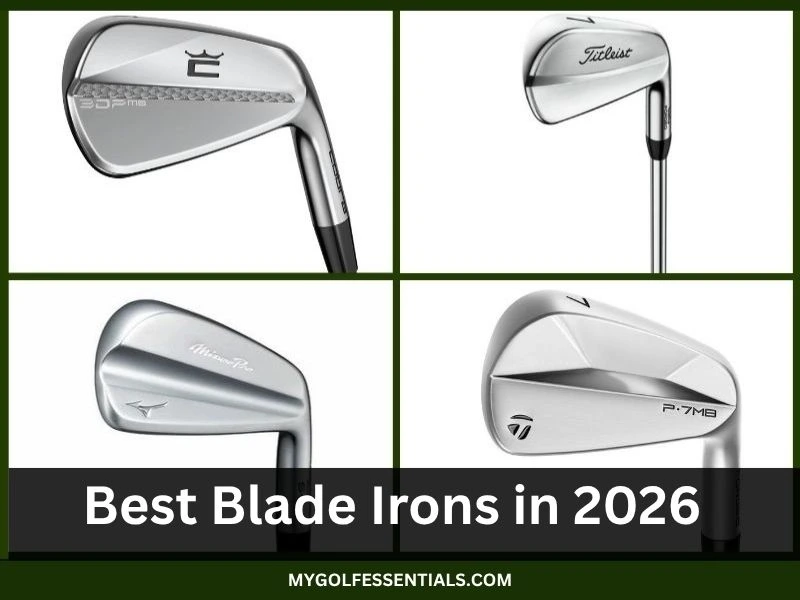
Blade irons remain the ultimate choice for golfers who value precision, control, and pure feedback above everything else. While modern game improvement irons continue to dominate the market with added forgiveness and distance, blade irons still hold a special place among skilled players.
This guide covers the 7 best blade irons in 2026. You will find honest reviews and a clear breakdown of who each iron suits best. Whether you are a scratch golfer or a low handicapper chasing sharper ball striking, the right iron for your game is on this list.
The 7 Best Blade Irons in 2026: Our Top Picks
These options represent the top blade irons available on the market right now. They range from traditional muscle-backs to modern engineered designs. Each one demands skill but rewards precision in a way no other iron type can.
Quick Comparison Table: Best Blade Irons in 2026
| Iron | Construction | Forgiveness Level | Best For |
| Cobra 3DP MB | 3D-Printed | Moderate-Low | Modern tech players |
| Wilson Staff Model Blade | Forged | Low | Traditional players |
| Titleist 620 MB | Forged | Very Low | Elite ball strikers |
| Mizuno Pro S-1 | Grain Flow Forged | Low | Feel-focused players |
| Ping Blueprint T | Forged + Tungsten | Low-Moderate | Precision seekers |
| TaylorMade P7MB | Forged | Very Low | Pure blade players |
| Srixon ZX7 MK II | Forged | Moderate | Low-mid handicappers |
1. Cobra 3DP MB Irons
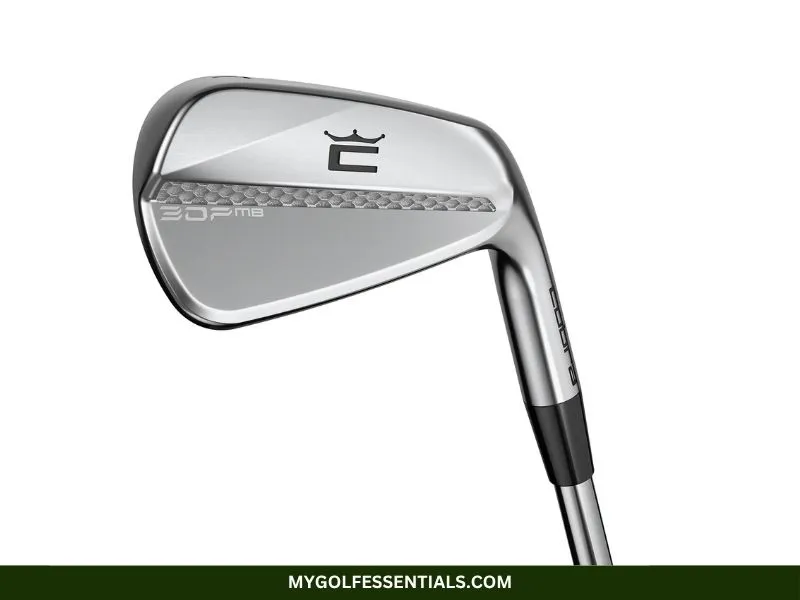
The Cobra 3DP MB is the most technologically advanced blade iron on this list. Cobra uses 3D-printing to build internal lattice structures that traditional manufacturing simply cannot produce. The result is a blade iron with outstanding feel and slightly better stability than classic muscle-backs.
Key Features
- 3D-printed internal lattice construction
- Tungsten weighting for an optimized center of gravity
- Compact head with a clean, tour-inspired topline
- Available in a range of custom shaft configurations
Pros
- Marginally more forgiving than traditional blade irons
- Unique construction delivers exceptional feel at impact
- Strong, honest feedback on off-center contact
- Distinctive design without sacrificing blade purity
Cons
- Among the most expensive blade irons currently available
- Still very demanding for mid-handicap golfers
- Customization setup can take time to dial in
Best For: Low-handicap golfers who appreciate cutting-edge technology without abandoning blade precision.
2. Wilson Staff Model Blade Irons
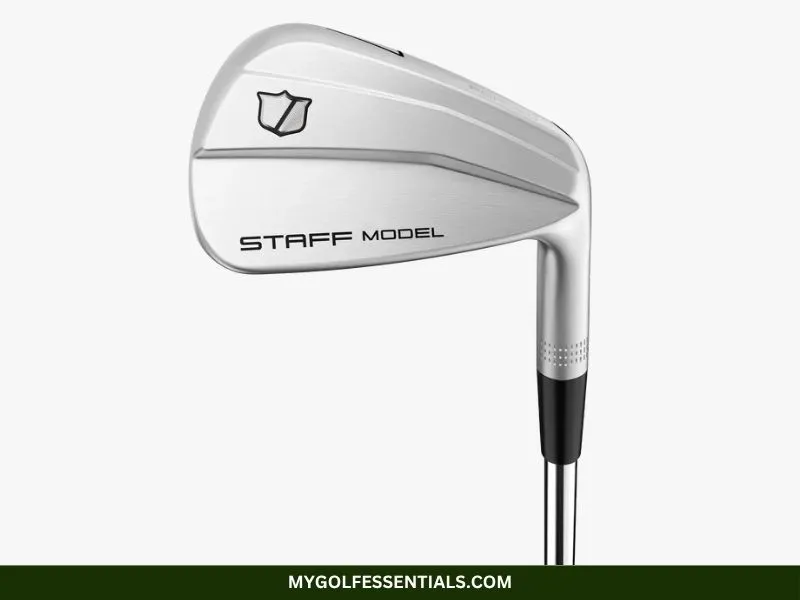
The Wilson Staff Model Blade delivers a traditional blade experience that serious golfers still love. Wilson kept the classic compact shaping that tour players have trusted for generations.
Key Features
- Precision forged construction for a soft, responsive feel
- Compact muscle-back head design with minimal offset
- Clean, narrow topline preferred by low handicappers
- Traditional sole width for versatile turf interaction
Pros
- Exceptional feel and honest feedback at impact
- Clean, classic aesthetic preferred by many blade purists
- Strong workability for players who shape shots
- More affordable than most premium competitors
Cons
- Very low forgiveness on off-center strikes
- Demands consistent and repeatable ball striking
- Not suitable for mid-to-high handicap players
Best For: Traditional blade players who want classic performance at a more accessible price point.
3. Titleist 620 MB Irons
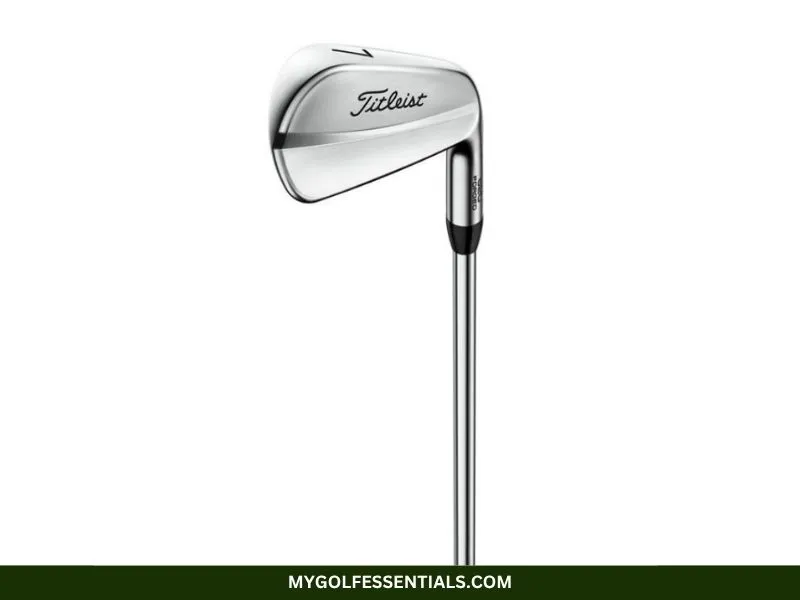
The Titleist 620 MB sits at the top of the blade iron world for a very good reason. Titleist built this iron for tour professionals and elite amateurs who demand nothing less than total precision. It delivers tour-grade control and a refined appearance that experienced golfers recognize immediately at address.
Key Features
- Classic forged muscle-back construction
- Tour-proven design trusted by PGA Tour professionals
- Precise shaping with a thin, clean topline
- Consistent performance across all iron numbers in the set
Pros
- Outstanding shot control and workability in all conditions
- Clean, compact profile preferred by elite players
- Highly consistent performance from shot to shot
- A top choice among touring professionals worldwide
Cons
- Among the most unforgiving blade irons on this list
- Requires very precise and repeatable ball striking
- Only suitable for scratch or low-handicap golfers
Best For: Elite ball strikers who value precision and control above all other factors.
4. Mizuno Pro S-1 Irons
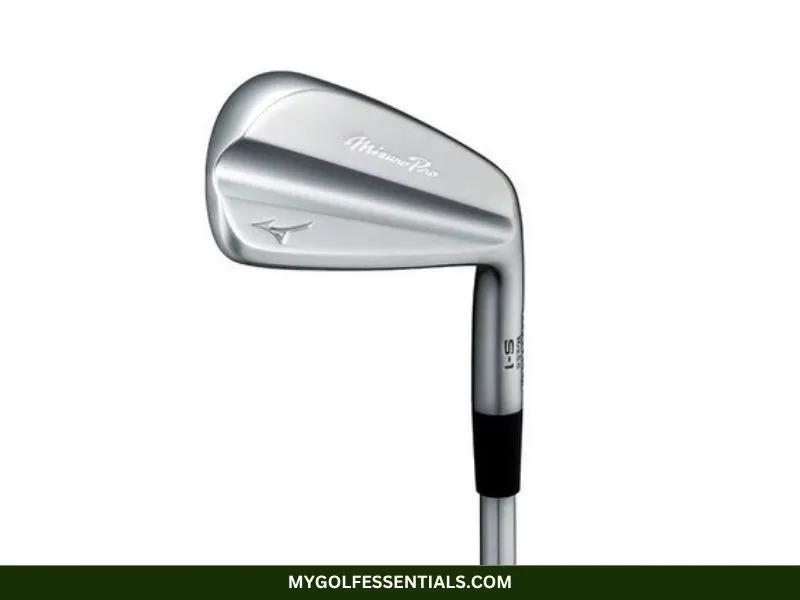
The Mizuno Pro S-1 uses the company’s celebrated Grain Flow Forged process to produce one of the softest-feeling blade irons available anywhere. This iron connects you to the shot in a way that is hard to put into words.
Key Features
- Grain Flow Forged HD construction for maximum feel
- Compact blade head profile with a clean finish
- Soft carbon steel body for exceptional feedback
- Tour-approved sole design for clean turf interaction
Pros
- Widely regarded as one of the best-feeling irons available
- Smooth and precise feedback on every single shot
- Exceptional build quality and long-term craftsmanship
- Strong workability for players who shape shots consistently
Cons
- Premium pricing reflects premium materials and process
- Minimal forgiveness on anything other than pure contact
- Best suited only for very consistent, low-handicap golfers
Best For: Feel-obsessed golfers who want the absolute best sensation at impact, above everything else.
5. Ping Blueprint T Irons
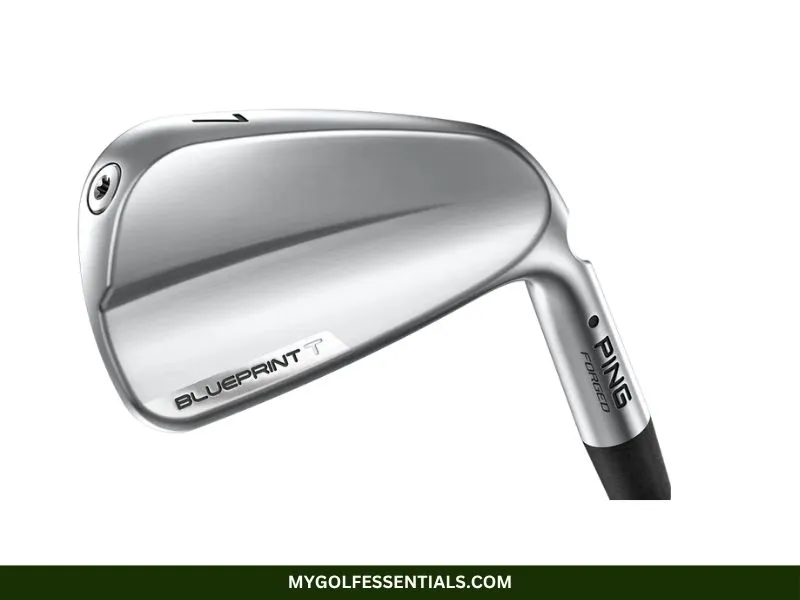
The Ping Blueprint T takes a slightly different approach to blade irons. Ping added tungsten toe weighting to deliver improved stability without giving up the blade aesthetic or compact design. If you want blade-level precision with a touch of added consistency on slightly off-center contact, this iron delivers.
Key Features
- Tungsten toe weighting for enhanced stability and consistency
- Compact blade-inspired head shape with minimal offset
- Clean topline preferred by tour-level players
- Precision forged construction throughout
Pros
- More stable at impact than most pure blade irons
- Consistent performance even on slightly off-center contact
- Clean, tour-approved design at address
- Excellent feedback and strong shot-shaping ability
Cons
- Firmer feel compared to traditional forged muscle-backs
- Still demanding for most amateur golfers
- Higher price point than several alternatives on this list
Best For: Skilled golfers who want blade-level control with marginally better stability across the face.
6. TaylorMade P7MB Irons
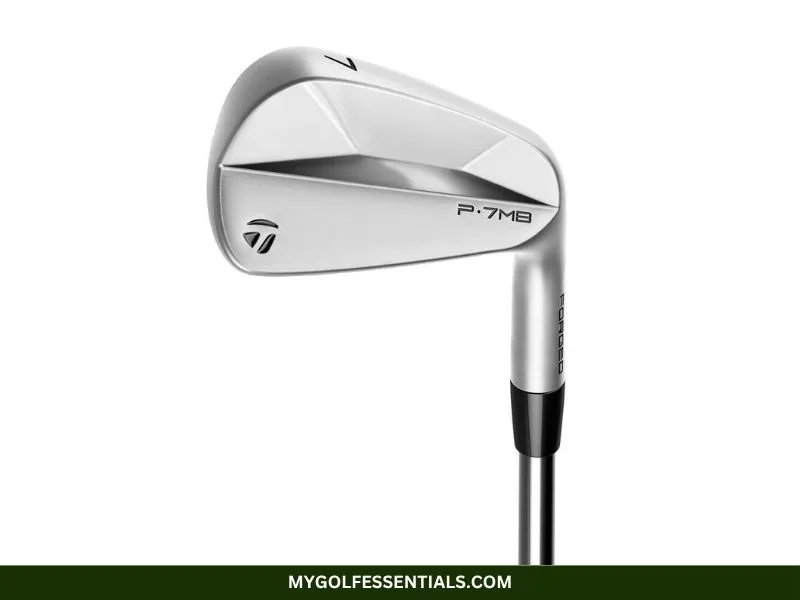
TaylorMade built this as a pure muscle-back with a thin topline and a narrow sole. It rewards players who shape shots for a living and delivers powerful, immediate feedback on every ball struck.
Key Features
- Forged 1025 carbon steel construction
- Thin topline for a pure, clean look at address
- Narrow sole for versatile performance from any lie
- Classic blade profile preferred by tour professionals
Pros
- Outstanding shot-shaping ability in both directions
- Pure, classic look that serious blade players prefer
- Precise and honest feedback at impact
- Consistent performance for skilled and reliable ball strikers
Cons
- Zero forgiveness on off-center contact
- Distance varies significantly depending entirely on strike quality
- Suitable only for very consistent and confident golfers
Best For: Pure blade enthusiasts who want maximum shot-shaping control with a classic, no-nonsense design.
7. Srixon ZX7 MK II Irons
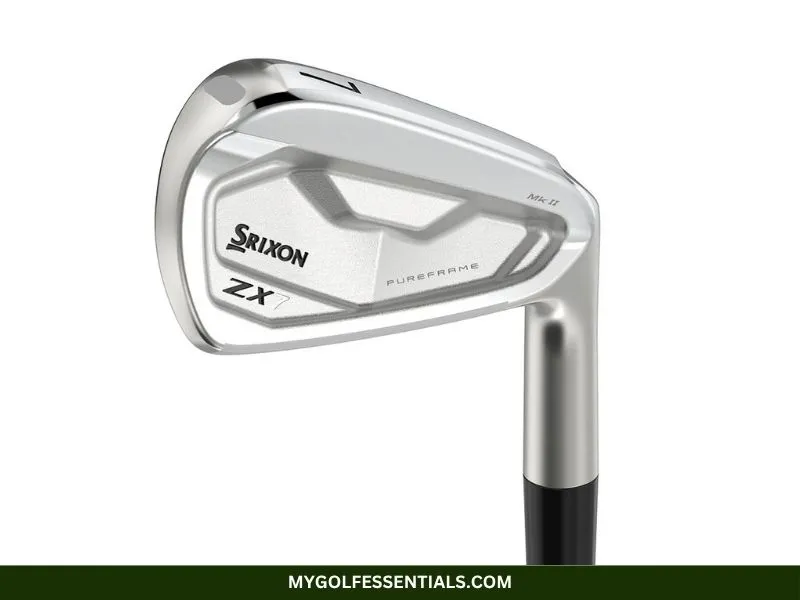
The Srixon ZX7 MK II is the most accessible iron on this list. It sits between a players iron and a true blade, offering forged feel with a little more room for error on mishits. Srixon designed it for low to mid-handicap golfers who want players iron performance without the full demands of a true blade.
Key Features
- Compact players iron head with a slight cavity design
- Tour-inspired shaping and clean topline
- Forged construction for solid feel and reliable feedback
- Laser-milled face for consistent spin rate and control
Pros
- More forgiving than true blade irons on this list
- Solid feel and feedback at impact
- Easier to hit across a broader range of players
- Competitive pricing compared to premium alternatives
Cons
- Does not deliver the pure blade sensation at impact
- Less workable than true muscle-back blade designs
- Mid-handicappers may still find it demanding at times
Best For: Low to mid-handicap golfers who want players iron performance with slightly better forgiveness than a full blade.
What Are Blade Irons?
Blade irons are compact, muscle-back irons with the mass positioned directly behind the sweet spot. There is no perimeter weighting, no hollow cavity, and no forgiveness technology built into the design. What you get instead is raw, unfiltered feedback on every single shot you hit.
When you compress the ball perfectly, the sensation through your hands is genuinely unlike anything else in golf. That feedback loop builds better ball strikers over time by telling you exactly what your swing is doing.
The appeal of blade irons also comes down to shot shaping. Skilled golfers can flight the ball low, draw it, fade it, and control trajectory in ways that cavity back irons simply do not allow. That kind of shot versatility defines precision golf.
Who Should Actually Be Using Blade Irons?
Blade irons suit a very specific type of golfer. They work best for players with consistent mechanics, a reliable ball strike, and strong course management skills. Get this wrong and blade irons will hurt your scores rather than improve them.
Golfers Who Are Ideal Candidates for Blade Irons
- Players with a handicap of 8 or lower
- Scratch and plus-handicap competitors
- Competitive amateurs and tour professionals
- Any golfer who consistently compresses the ball well at impact
Golfers Who Should Avoid Blade Irons
- Beginners and high-handicap players
- Anyone with an inconsistent swing path or face angle
- Players who frequently hit the ball thin or fat
- Golfers who prioritize distance and forgiveness over feel and control
If you shoot in the 80s or higher on a regular basis, cavity back or game-improvement irons suit your game better right now. Blade irons amplify inconsistency rather than hide it. The right equipment for your current game always outperforms aspirational equipment.
What Should You Look for in Blade Irons?
Buying the right blade iron takes more than picking the most popular brand name. Several key factors separate a great blade from an average one. Consider each of these carefully before committing to a set.
1. Forging Process and Feel
The best blade irons use forged carbon steel construction. Forged irons feel noticeably softer at impact compared to cast designs. Mizuno’s Grain Flow Forged process and TaylorMade’s 1025 carbon steel represent the gold standard for pure blade feel.
2. Head Shape and Topline
A thin topline is the clearest sign of a true blade iron. Thicker toplines indicate more perimeter weighting and reduced blade performance. Look for a clean, thin topline that sits flush at address without any visual bulk behind the ball.
3. Workability and Shot Control
Great blade irons excel at shot shaping. The best options let you flight the ball low, work it left or right on command, and control trajectory precisely shot by shot. This workability is what separates blade irons from any other iron category.
4. Shaft Options and Custom Fitting
Most blade irons ship standard with heavier steel shafts. Tour-weight options like Dynamic Gold or KBS Tour work well for aggressive swingers with faster swing speeds. Lighter steel options suit players with more moderate tempos. Always get a proper fitting before purchasing blade irons. A fitting can completely transform your results.
Final Thoughts
Blade irons exist for one purpose: giving skilled golfers complete control over every shot they hit. They do not hide mistakes, inflate distances, or protect your scorecard. What they do is reward consistent ball striking with the best feel in golf.
The right option depends entirely on your priorities. Go with the Mizuno Pro S-1 if feel matters above everything else. Choose the Titleist 620 MB if you want tour-grade precision with no compromises. Pick the Cobra 3DP MB if modern construction technology appeals to you.
Whatever you choose, make sure your game genuinely matches what blade irons demand. Get fitted properly, commit to improving your ball striking, and the right set of blade irons will elevate your game in ways that forgiving irons never could.
Key Takeaways
- Blade irons are compact, muscle-back irons built for maximum feel, precision, and shot control.
- They suit golfers with a handicap of 8 or lower who strike the ball consistently and reliably.
- The Mizuno Pro S-1 leads the category for pure feel and forged craftsmanship.
- The Titleist 620 MB offers the highest level of tour-grade precision available in 2026.
- The Cobra 3DP MB brings 3D-printed construction technology into the blade iron category.
- The Srixon ZX7 MK II is the most forgiving and accessible option on this list.
- Always prioritize forged carbon steel construction when shopping for blade irons.
- A thin topline and compact head are the clearest indicators of a true blade iron.
- Get a proper shaft fitting before purchasing any blade iron set to maximize performance.
- Blade irons reward consistent ball strikers with unmatched feedback and total shot control.
FAQs
What Should Play Blade Irons?
Most golf instructors recommend blade irons for players with a handicap of 8 or lower. At this level, golfers have the consistency needed to benefit from blade feedback rather than be punished by it. Higher handicappers will lose significant distance and accuracy due to the very low forgiveness these irons offer on mishits.
What Is the Difference Between Blade Irons and Cavity Back Irons?
Blade irons use a solid muscle-back design with mass concentrated directly behind the sweet spot. Cavity back irons redistribute weight around the perimeter for better forgiveness on off-center hits. Blade irons reward pure contact with superior feedback, while cavity backs protect distance and direction when you miss the center of the face.
Are Blade Irons Really Harder to Hit?
Yes, blade irons have a smaller sweet spot and less forgiving weight distribution, so off-center strikes are immediately punished. The tradeoff is greater control and better feedback for skilled ball strikers.
How Long Do Blade Irons Typically Last?
Quality forged blade irons can last 10 years or more with proper care and regular maintenance. The forged carbon steel construction handles years of regular play very well. Keeping the grooves clean, drying the clubs after use, and storing them properly will keep blade irons performing at a high level for many seasons.