Skip to content
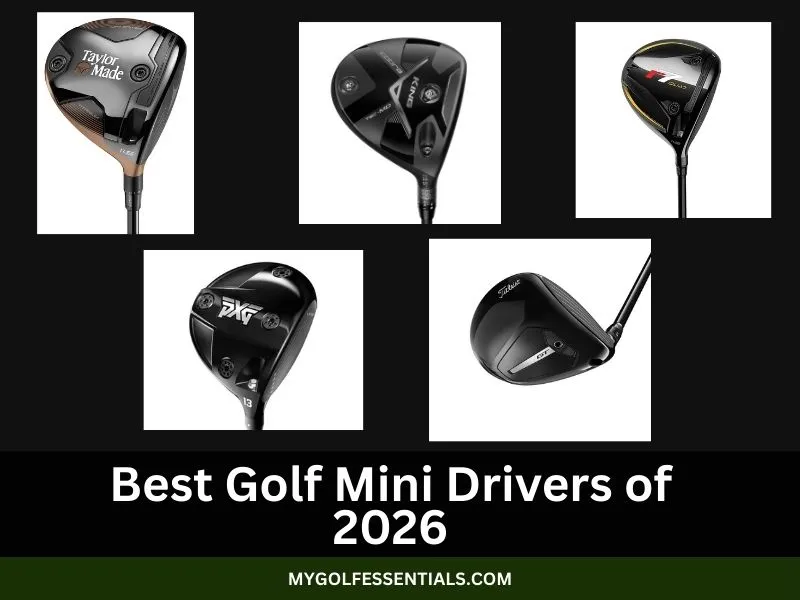
Hitting a driver straight every time isn’t easy, especially on tight fairways. Many golfers want distance but need more control off the tee. That’s exactly where golf mini drivers have started to shine.
The newest 2026 golf mini drivers combine driver-like speed with fairway wood accuracy. They’re easier to control, more forgiving, and surprisingly versatile from tee or turf. For many players, they solve the gap between driver and 3-wood perfectly.
In this guide, you’ll find the best mini drivers of 2026, who each model suits, and how to choose the right one for your swing.
Top Golf Mini Drivers for 2026
1. TaylorMade R7 Quad Mini Driver – Best Overall
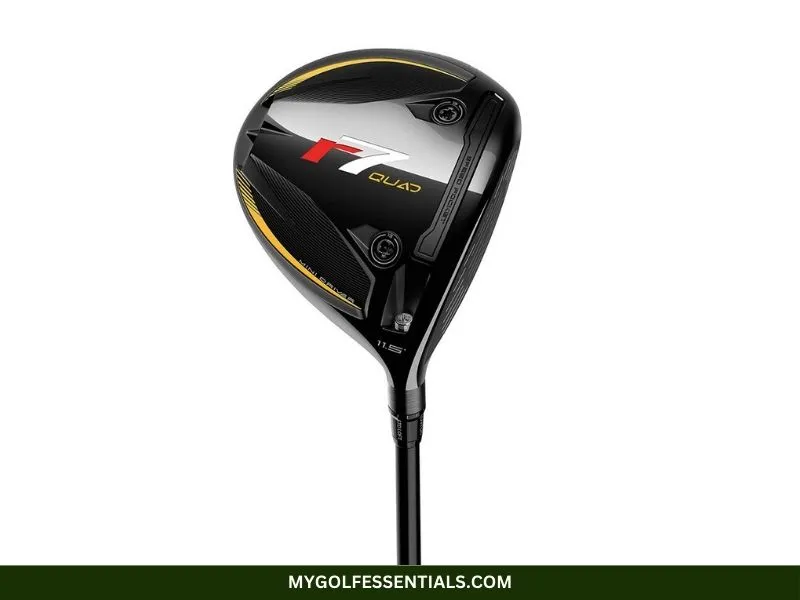
Price Range: $479.99
TaylorMade brought back the legendary R7 with four movable weights. You get two 13g weights and two 4g weights to dial in your ball flight. The 305cc head delivers exceptional forgiveness while the Infinity Carbon Crown saves weight for better performance.
This mini driver crushes it both off the tee and from the fairway. Testing shows a 72% success rate from the turf, which beats every competitor.
Pros:
- Four-way adjustable weighting for complete customization
- Excellent turf interaction and fairway performance
- Driver-like ball speeds with added control
- Twist Face technology reduces dispersion on mishits
Cons:
- Only available in right-hand models (13.5° loft limited)
Best for: Golfers who want maximum adjustability and versatility from tee and turf.
2. Callaway Elyte Mini Driver – Best for Forgiveness
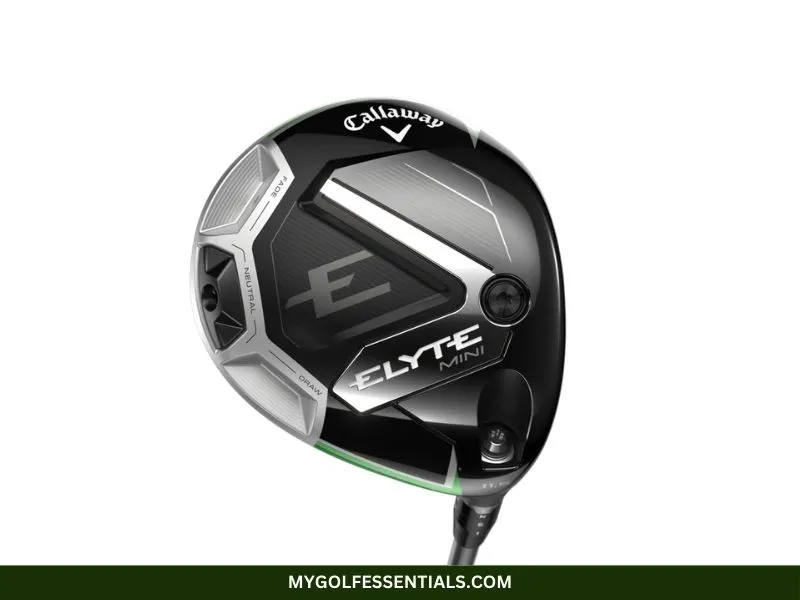
Price Range: $469.99 – $519.99
The Callaway Elyte packs the biggest head at 340cc.
This mini driver golf club feels more like a shrunken driver than an enlarged fairway wood. The larger face creates massive forgiveness on off-center hits. Callaway’s AI-designed Flash Face and Jailbreak technology boost ball speeds across the entire hitting area.
Three adjustable weights on the back let you fine-tune draw or fade bias. The adjustable hosel independently controls loft and lie.
Pros:
- Largest mini driver at 340cc means maximum forgiveness
- Available in Night Edition for premium aesthetics
- Exceptional tee performance with high launch
- Works great for moderate swing speed players
Cons:
- Less effective from fairway lies due to larger profile
- Takes up more visual space at address
Best for: Players seeking a driver alternative with ultimate forgiveness off the tee.
3. PXG Secret Weapon Mini Driver – Best for Versatility
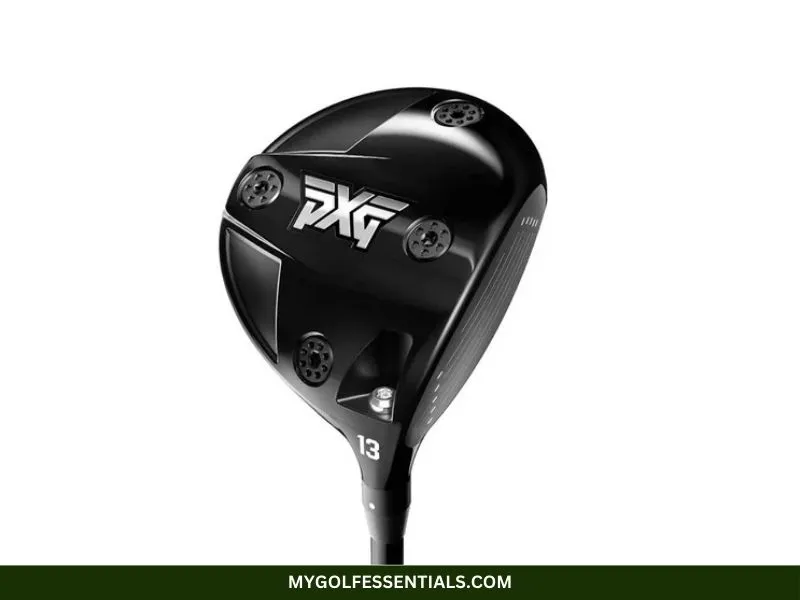
Price Range: $499.00
PXG delivers serious adjustability.
Four movable weights position at heel, toe, front, and back for complete control. Two 15g weights combine with two 2.5g weights to customize trajectory and shot shape. The 300cc head strikes a perfect balance between tee and fairway use.
The adjustable hosel offers 1.5° loft adjustment up or down. This best mini driver golf option gives you tour-level customization.
Pros:
- Most adjustable mini driver with four-way weighting
- Sleek Black Ops-inspired aesthetics
- 71% success rate from fairway lies in testing
- Consistent distance performance
Cons:
- No adjustable hosel (loft sleeve only)
- Slightly less forgiving than larger competitors
Best for: Golfers who value customization and want equal performance from tee and turf.
4. Titleist GT280 Mini Driver – Best Off the Deck
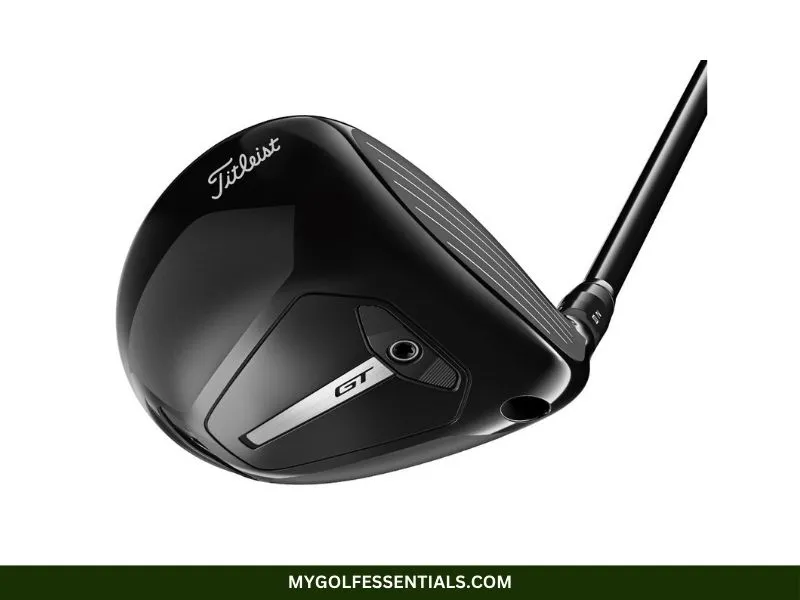
Price Range: $499.99
The GT280 redefines fairway playability in a mini golf driver.
At just 280cc, this is the smallest mini driver on the market. Titleist designed it specifically for fairway shots. The SureFit hosel adjusts loft and lie independently while front-to-back weights dial in spin and trajectory.
This club feels more like a strong 3-wood than a driver. The compact profile inspires confidence over fairway lies.
Pros:
- Best mini driver for shots from the fairway
- Clean, traditional Titleist shaping
- Premium stock shaft options (Tensei 1K Black or Blue)
- Strong turf interaction with deep face design
Cons:
- Smallest head size may intimidate some players
- Only available in 13° loft
- Limited forgiveness versus larger models
Best for: Better ball strikers who want fairway and tee versatility in one club.
5. Cobra King Tec Mini Driver – Best Value Performance
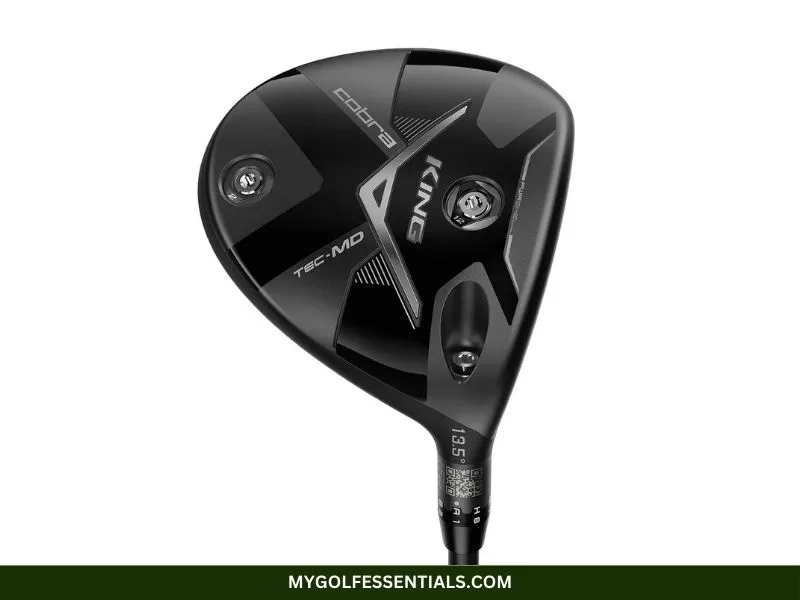
Price Range: $479.00
The King Tec combines a full carbon crown with HOT Face technology. PWRSHELL construction maintains ball speed and feel at impact. The shorter shaft and adjustable hosel deliver tailored performance at an attractive price.
This club delivers tighter dispersions than most 3-woods. It produces more distance on long par 5s while offering control on narrow holes.
Pros:
- Premium aesthetics with confidence-inspiring alignment
- Excellent price-to-performance ratio
- Forgiving across the face
- Works well from both tee and deck
Cons:
- Limited track record compared to established competitors
- Fewer customization options than premium models
Best for: Value-conscious players seeking modern technology without breaking the bank.
6. TaylorMade BRNR Copper Mini Driver – Best Heritage Design
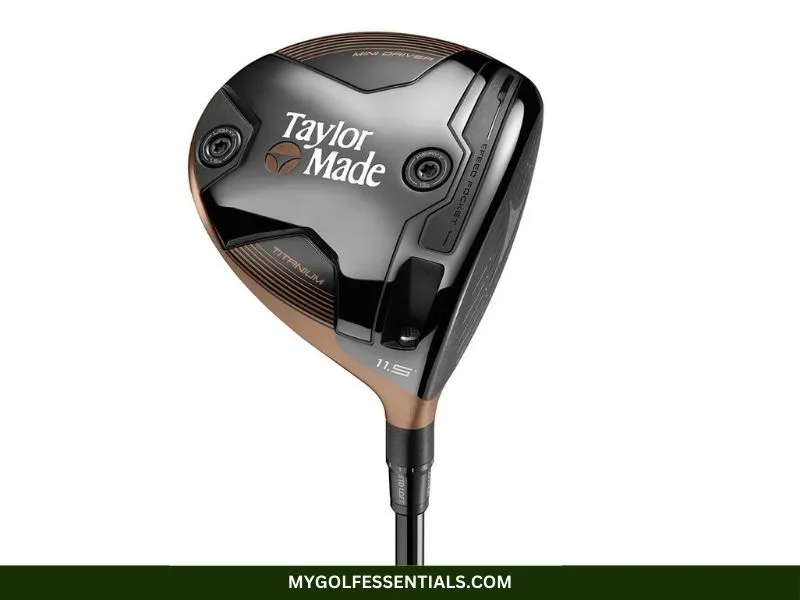
Price Range: $399.99 (closeout pricing)
This 304cc club features the iconic copper finish from TaylorMade’s legendary Burner series. Twist Face and Thru-Slot Speed Pocket technologies boost forgiveness. The K-SOLE design improves turf interaction for fairway shots.
While newer models exist, the BRNR remains a solid choice at closeout prices.
Pros:
- Nostalgic copper aesthetics stand out
- Proven performance on PGA Tour
- K-SOLE design excels from fairway
- Now available at discounted prices
Cons:
- Older technology compared to 2026 releases
- Less adjustability than newer competitors
Best for: Budget-minded golfers who want proven technology at clearance pricing.
Mini Driver vs Driver: Key Differences
Choosing between a golf mini drivers and regular drivers comes down to your priorities.
Here’s the breakdown:
| Feature | Mini Driver | Standard Driver |
| Head Size | 280-340cc | 460cc |
| Distance | 220-260 yards | 240-280 yards |
| Accuracy | 60-75% fairways | 45-60% fairways |
| Shaft Length | 43-43.75 inches | 45.5-46 inches |
| Best Use | Tight courses, control | Wide courses, max distance |
When to Choose Which:
Pick a mini driver when accuracy matters more than distance. You’ll sacrifice 10-20 yards but gain 15% better fairway-finding rates.
Stick with your standard driver on wide-open courses where distance pays off. If you already hit 70%+ fairways with your driver, don’t switch.
Many tour pros carry both and swap based on hole layout. Most recreational golfers should choose one to avoid bag redundancy.
For more details on standard drivers, check out our Best Drivers for Beginners guide.
Who Should Use a Mini Driver?
Mini drivers aren’t for everyone. Here’s who benefits the most:
- High-speed players seeking control: If you generate 110+ mph clubhead speed, a mini driver tames your power. You maintain distance while reducing dispersion on tight holes.
- Golfers who struggle with driver accuracy: Consistently missing fairways kills your scorecard. A mini driver offers a confidence-boosting alternative that finds more short grass.
- Players who don’t use 3-wood off the deck: If your 3-wood stays on the tee, a mini driver makes more sense. You get better tee performance than a 3-wood with similar or better fairway capability.
- Course-specific needs: Some courses demand precision over power. Mini drivers excel in these conditions.
What Should You Look for in a Mini Driver?
When buying golf mini drivers, focus on finding specs that match your swing characteristics and how you’ll use the club on the course.
These four factors determine how well a mini driver fits your game and course conditions:
1. Head Size Matters
Larger mini drivers (330-340cc) offer maximum forgiveness but work best from the tee. The Callaway Elyte exemplifies this category. Smaller models (280-305cc) provide better fairway performance. The Titleist GT280 leads here.
Your swing style determines optimal head size. Steep angle of attack? Go larger. Shallow sweeper? Choose smaller.
2. Loft Selection
Most brands offer 11.5° and 13.5° options. The 11.5° loft works as a direct driver replacement. It generates similar flight with added control.
The 13.5° loft bridges the gap to your fairway wood. This option plays better from the turf and suits moderate swing speeds.
3. Adjustability
Look for movable weights and adjustable hosels. These features let you fine-tune ball flight without buying another club.
Four-way weighting systems (like TaylorMade R7 Quad and PXG Secret Weapon) offer maximum customization. Simple systems work fine if you don’t tinker much.
4. Shaft Options
Golf Mini drivers use 3-wood length shafts with similar flex profiles. Stock options vary by manufacturer. Titleist offers premium Tensei shafts. PXG and Callaway provide Project X options.
Custom fitting is crucial. The shorter shaft affects feel and performance differently than a full driver.
Common Mistakes When Buying and Using Mini Drivers
Most golfers make critical errors with mini drivers. These mistakes cost you performance and money.
Here are the five mistakes to avoid:
1. Not Getting Properly Fitted
Walking into a store and buying off the rack wastes money. Mini drivers require precise fitting more than regular drivers.
The shaft flex, length, lie angle, and weight settings must match your swing. A standard setup rarely works optimally. Professional fitting improves performance by 10-15% immediately.
Spend the extra hour getting fit. You’ll never regret it.
2. Choosing the Wrong Loft
This ranks as the number one mistake. Many players grab an 11.5° mini driver thinking it replaces their driver exactly.
If you currently use a 10.5° driver, jumping to 11.5° isn’t enough difference. The added loft creates overlap with your 3-wood. Consider 13.5° instead for better gapping.
Players with slower swing speeds (under 95 mph) should skip 11.5° entirely. The 13.5° option launches better and carries farther for moderate speeds.
3. Tee Height
Many golfers tee mini drivers too high. Use the same height as your 3-wood setup. The ball’s equator should align with the crown’s top.
Teeing too high causes pop-ups and thin shots. You’ll hit the top of the clubface consistently. Distance and accuracy both suffer dramatically.
4. Ball Position
Playing the ball too far forward creates inconsistent contact. Position it just inside your left heel (for right-handers). This matches your natural swing arc perfectly.
Too far back causes low hooks and pushes. The clubface closes too early through impact. You’ll fight a persistent leftward ball flight.
5. Swinging too hard
Don’t swing harder to compensate for perceived distance loss. Your normal driver swing works perfectly fine. Tempo and rhythm matter more than speed.
Avoid trying to “help” the ball airborne. The loft does this work automatically. Trust the club and make your normal swing.
Don’t grip down significantly on the shaft. This negates the length advantage over 3-woods. Grip it normally for optimal performance.
Final Thoughts
Golf mini drivers have become a smart alternative to drivers and 3-woods. They blend distance, control, and confidence off the tee. Many golfers gain accuracy with minimal distance loss.
If you want the best all-around performance, choose the TaylorMade R7 Quad Mini Driver. It delivers exceptional adjustability and versatility from tee and turf. Golfers seeking maximum forgiveness should consider the Callaway Elyte Mini Driver. For frequent fairway use, the Titleist GT280 Mini Driver excels off the deck.
The right mini driver depends on your bag setup and course demands. Proper fitting ensures optimal loft, shaft, and weighting. Many golfers replace a driver or 3-wood successfully. A well-fit mini driver can transform tee-shot confidence.
Key Takeaways
- Mini drivers sit between traditional drivers (460cc) and 3-woods (165-180cc) at 280-340cc head size
- Top 2026 models range from $399 (closeout BRNR) to $519 (Callaway Elyte Night Edition)
- TaylorMade R7 Quad leads testing with 72% fairway success rate and best overall performance
- Expect to give up only 10-20 yards versus your driver while gaining significant accuracy
- Larger mini drivers (340cc) work best from tee while smaller models (280cc) excel from fairway
- Choose 11.5° loft as driver replacement or 13.5° loft for better fairway performance
- Professional fitting dramatically improves mini driver performance versus off-rack purchases
- All major mini drivers conform to USGA/R&A rules and are legal for tournament play
- Most golfers remove their 3-wood or 5-wood when adding a mini driver
- Wind performance excels due to lower loft creating more penetrating ball flight
FAQs
Are golf mini drivers legal for tournament play?
Yes, all major mini drivers are USGA and R&A conforming and legal for tournament play. Models like TaylorMade R7 Quad, Callaway Elyte, PXG Secret Weapon, and Titleist GT280 all meet official regulations. Always check the manufacturer’s conforming list before competitive rounds to ensure your specific model and loft combination is approved.
Can you use a mini driver as your only driver?
Yes, many golfers successfully use mini drivers as their only tee club.You’ll sacrifice 10-20 yards maximum distance but gain significant accuracy and consistency. This trade-off benefits most recreational golfers who value fairways over pure yardage.
What is the ideal swing speed for a mini driver?
Mini drivers work best for swing speeds between 85-110 mph. Players swinging 95-105 mph see optimal performance with 11.5° lofts. Slower swingers below 95 mph benefit most from 13.5° options for better launch. High-speed players above 110 mph can use mini drivers for control without sacrificing significant distance.