
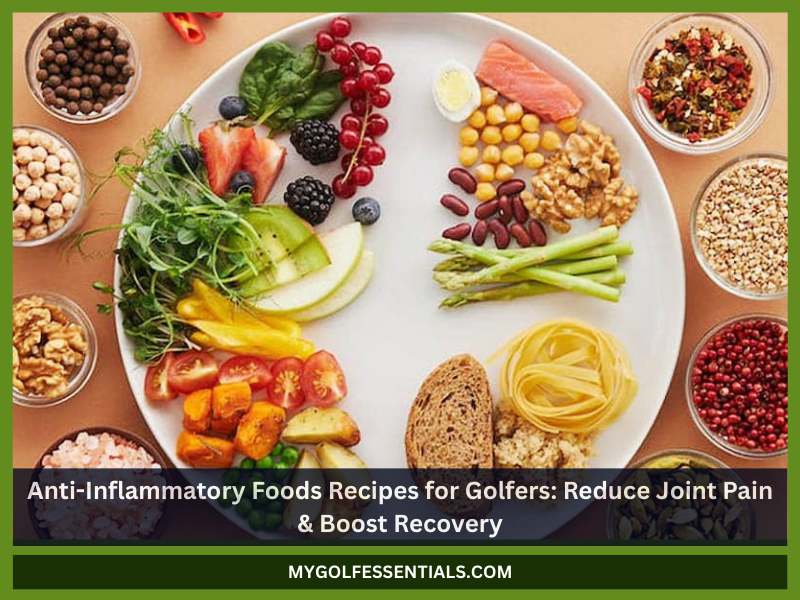
Are you tired of joint pain slowing down your golf game? Incorporating the right anti inflammatory foods recipes into your diet can help reduce pain, ease muscle soreness, and speed up recovery after a long day on the course.
In this article, you’ll find simple, joint-friendly meals designed especially for golfers. We’ll cover easy-to-make recipes rich in omega-3s and other natural ingredients that fight inflammation. Plus, you’ll get tips on how to use an anti-inflammatory diet to keep your body feeling strong and ready for every swing.
What Causes Inflammation and Joint Pain in Golfers
Inflammation and joint pain can seriously affect your ability to enjoy golf and perform well. To tackle these issues, it’s important to understand what causes them and how your daily habits, including diet, play a role. Let’s look at the main reasons behind joint pain and muscle soreness for golfers and how food can help reduce inflammation.
Common Causes of Joint Pain and Muscle Soreness
Golf involves repetitive movements and physical demands that often lead to inflammation, even though it’s considered a low-impact sport. The constant swinging of the club, walking long distances over uneven terrain, and carrying or pushing a golf bag all put stress on joints and muscles. Over time, this can result in pain and soreness that limit your performance.
Joint pain usually affects areas like the knees, wrists, elbows, and lower back. These parts undergo repetitive strain and minor injuries, causing the body to produce inflammation as a defense and repair response. Muscle soreness occurs when small tears in muscle fibers happen during play, triggering swelling and discomfort.
How Diet Can Help Reduce Inflammation
While resting and stretching are important, your diet plays a crucial role in managing inflammation and joint pain. Certain foods contain natural compounds that can lower inflammation levels and help your body recover faster. For golfers, adopting an anti-inflammatory diet means including ingredients that reduce swelling and protect joint health.
Anti inflammatory foods recipes often feature omega-3 rich foods such as salmon, chia seeds, and walnuts, known for their ability to calm inflammation. Spices like turmeric and ginger also offer powerful anti-inflammatory benefits. By regularly eating these foods, you can help your body fight the root causes of joint pain and muscle soreness.
Benefits of an Anti-Inflammatory Diet for Golfers
Choosing the right foods can make a big difference in how your body handles the stress of golf. An anti-inflammatory diet offers several benefits that help reduce pain and speed up recovery. Here’s how eating these foods supports your joints and muscles.
Faster Recovery After Golf Sessions
One of the biggest advantages of an anti-inflammatory diet is how it supports quick recovery. When your body gets enough nutrients that reduce muscle soreness, it can repair damaged tissues more efficiently. Omega-3 fatty acids, antioxidants, and vitamins found in joint-friendly meals for athletes help lower inflammatory chemicals in the body, speeding up healing time.
Improved Joint Flexibility and Reduced Stiffness
Inflammation often causes joints to become stiff and less mobile. Over time, this stiffness can reduce your range of motion and negatively impact your golf swing. Eating anti inflammatory foods recipes regularly helps calm inflammation and protect cartilage, which improves flexibility and movement.
Support for Long-Term Joint Health
Beyond short-term benefits, an anti-inflammatory diet also strengthens your joints for the future. Nutrients like vitamin C, vitamin E, and magnesium found in many anti-inflammatory foods support the growth and repair of connective tissues. This means your joints stay healthier and more resilient as you continue to play.
Summary of Benefits:
- Speeds up muscle recovery and reduces soreness
- Decreases inflammation to ease joint pain
- Improves flexibility for better swing mechanics
- Protects cartilage and connective tissue
- Supports overall joint health and long-term performance
Now that you know what causes inflammation and why an anti-inflammatory diet matters, let’s explore the best foods and recipes to include in your meals to keep you playing at your best.
Key Anti-Inflammatory Foods to Include
Choosing the right foods is the foundation of an anti-inflammatory diet for golfers. These ingredients help reduce joint pain, fight muscle soreness, and speed up recovery. Let’s look at some of the best foods you should include in your meals.
Joint-Friendly Foods for Athletes
Certain whole foods are especially good for protecting joints and reducing inflammation:
- Leafy greens: Spinach, kale, and Swiss chard are packed with antioxidants and vitamins that support joint health.
- Berries: Blueberries, strawberries, and raspberries contain compounds that help fight inflammation.
- Nuts: Almonds, walnuts, and pistachios offer healthy fats and antioxidants to reduce swelling.
Omega-3 Rich Foods
Omega-3 fatty acids are some of the most powerful natural anti-inflammatories. Including these foods in your diet helps protect joints and muscles:
- Salmon and other fatty fish: Rich in EPA and DHA, which reduce inflammatory markers.
- Chia seeds and flaxseeds: Plant-based sources of omega-3s that can be added to smoothies or salads.
- Walnuts: A tasty way to get omega-3s and antioxidants in one bite.
Other Foods That Reduce Muscle Soreness
Some spices and natural ingredients are known for their anti-inflammatory properties:
- Turmeric: Contains curcumin, which can reduce joint pain and swelling.
- Ginger: Helps soothe muscle soreness and promotes faster recovery.
- Green tea: Full of antioxidants that protect cells from inflammation damage.
With these ingredients in mind, you can start creating anti inflammatory foods recipes that are both delicious and healing. Next, we’ll explore simple meal ideas to get you started.
Easy Anti-Inflammatory Recipes for Golfers
Eating anti-inflammatory meals doesn’t have to be complicated. Here are some easy recipes and meal ideas packed with joint-friendly ingredients to help reduce inflammation and boost recovery.
Breakfast Ideas
Start your day with foods that fight inflammation and give you lasting energy:
- Berry and spinach smoothie: Blend mixed berries, spinach, chia seeds, and almond milk for a quick, joint-friendly breakfast.
- Oats with walnuts and turmeric: Cook your oats and stir in ground turmeric, chopped walnuts, and a drizzle of honey for a soothing, anti-inflammatory meal.
Lunch and Dinner Recipes
Choose meals rich in omega-3s and other healing foods to keep your joints strong throughout the day:
- Grilled salmon with steamed kale: A simple plate packed with omega-3 fatty acids and antioxidants.
- Quinoa salad with mixed greens and walnuts: Add a ginger-turmeric dressing to boost the anti-inflammatory effect.
- Stir-fry with tofu, broccoli, and ginger: A plant-based option that’s easy to prepare and full of joint-supporting nutrients.
Snacks That Help Fight Inflammation
Keep these anti-inflammatory snacks on hand for quick joint relief:
- A handful of mixed nuts and berries
- Sliced cucumber with turmeric hummus
- Green tea with a piece of dark chocolate
By including these recipes in your routine, you’ll fuel your body with foods that help reduce joint pain and muscle soreness. Next up, we’ll share tips on how to keep inflammation low through daily habits and meal planning.
Tips for Following an Anti-Inflammatory Diet
Sticking to an anti-inflammatory diet doesn’t have to be difficult. Small changes in your daily routine and meal prep can make a big difference in reducing joint pain and improving recovery. Here are some easy tips to help you stay consistent with joint-friendly meals for athletes and keep inflammation low.
Simple Habits to Keep Inflammation Low with Food
Developing healthy eating habits can help you manage inflammation naturally:
- Choose whole, unprocessed foods over packaged or fried options.
- Add fresh fruits and vegetables to every meal for antioxidants and vitamins.
- Limit sugar and refined carbs which can increase inflammation.
- Stay hydrated to help flush out toxins and support joint health.
How to Prepare Joint-Friendly Meals for Athletes
Preparing your meals with anti-inflammatory ingredients can be simple and time-saving:
- Use healthy cooking methods like grilling, steaming, or baking instead of frying.
- Incorporate spices like turmeric and ginger in sauces, dressings, or marinades.
- Include a source of omega-3 fatty acids in at least one meal each day.
- Prepare large batches of staples like quinoa, roasted veggies, or grilled fish for easy meals throughout the week.
Meal Planning Ideas for Golfers
Planning ahead helps you stay on track and avoid inflammation-triggering foods:
- Create a weekly menu focused on anti inflammatory foods recipes.
- Pack snacks like nuts and berries to avoid unhealthy temptations on the go.
- Use leftovers creatively to make quick lunches or dinners.
- Keep a list of your favorite anti-inflammatory recipes handy to mix and match meals.
By building these habits, you can support your joints and muscles every day, making it easier to reduce pain and recover faster.
Conclusion
Taking care of your joints and muscles is key to enjoying golf pain-free and improving your performance. By including anti inflammatory foods recipes in your diet, you can naturally reduce inflammation, ease joint pain, and speed up muscle recovery. From leafy greens and omega-3 rich fish to healing spices like turmeric and ginger, the right foods make a big difference.
Remember, following a consistent anti-inflammatory diet combined with simple habits like meal planning and healthy cooking can keep your body flexible and strong for every round. Start adding these joint-friendly meals for athletes to your routine today, and feel the benefits on and off the course. Your joints will thank you with smoother swings and quicker recovery times!
Key Points
- Inflammation and joint pain in golfers are caused by repetitive movements, overuse, and minor injuries affecting knees, wrists, elbows, and lower back.
- Muscle soreness after golf results from tiny tears in muscle fibers that trigger the body’s inflammatory response.
- Diet plays a crucial role in reducing inflammation and speeding up recovery for golfers.
- Anti inflammatory foods recipes often include omega-3 rich foods like salmon, chia seeds, and walnuts, which help calm inflammation.
- Leafy greens, berries, and nuts are joint-friendly foods packed with antioxidants and vitamins that support joint health.
- Spices like turmeric and ginger have powerful anti-inflammatory properties that reduce joint pain and muscle soreness.
- An anti-inflammatory diet supports faster muscle recovery by lowering inflammatory chemicals and aiding tissue repair.
- Regularly eating anti-inflammatory foods improves joint flexibility and reduces stiffness, enhancing golf performance.
- Simple meal ideas include smoothies, oats, grilled salmon, quinoa salads, and snacks like nuts and berries to fight inflammation.
- Consistent habits such as meal planning, choosing whole foods, and healthy cooking methods help maintain low inflammation and joint health.
FAQs
Can an anti-inflammatory diet help with conditions like arthritis?
Yes, an anti-inflammatory diet can help manage symptoms of arthritis by reducing inflammation in the joints, leading to decreased pain and improved mobility.
How can I make meal planning easier with anti-inflammatory foods?
Plan meals around simple, whole-food ingredients like leafy greens, berries, nuts, and fatty fish. Batch cooking and preparing ingredients in advance can save time and make it easier to stick to an anti-inflammatory diet.
Are there any foods to avoid on an anti-inflammatory diet?
It’s advisable to limit or avoid processed foods, sugary snacks, refined carbohydrates, and excessive alcohol, as these can promote inflammation in the body.